
OneGov’s discounted deals are ‘a first step’ to longer-term contracts, officials say
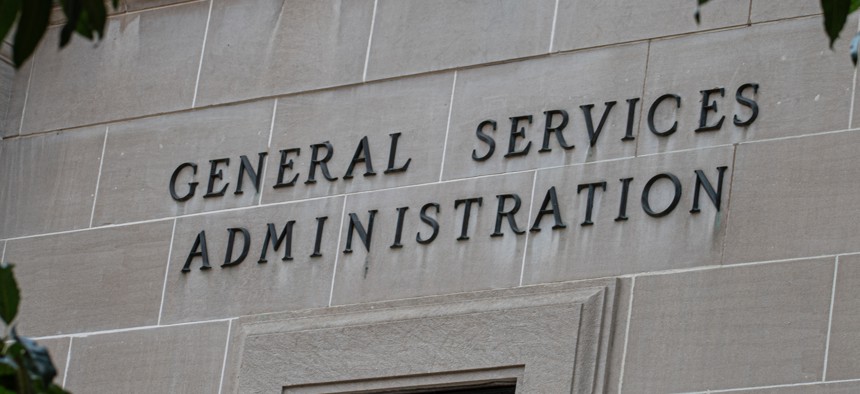
Douglas Rissing/Getty Images


The General Services Administration has asked some companies to re-up their temporary price cuts while it continues to talk with them about becoming direct contractors on its Multiple Award Schedule.
The General Services Administration is looking at extending discounted deals that several companies had offered the federal government on their software products and services via the OneGov initiative as part of longer-term contract discussions, according to officials with the agency.
GSA launched OneGov in April 2025 to offer agencies major discounts on technology by treating the government as one customer. Since then, GSA has inked agreements with 20 companies through the initiative, including Google, OpenAI and Microsoft. Some of these agreements include temporary price cuts of as much as 70% to 90%, with many of the reductions set to expire after set timeframes.
While many federal officials have touted OneGov’s benefits, some have also expressed concerns about what will happen when the discounted rate periods end and their agencies have to potentially pay much higher prices for the same products and services. GSA officials, however, said they are cognizant of these worries and that the current discounted rates are only one phase of their overall strategy.
Warren Blankenship — the director of the Category Management Service Center in the Office of Acquisition Solutions Development at the Federal Acquisition Service within GSA — said the agency knew going into the agreements that the discounts would expire, but he added that they are part of a larger effort to partner and work with private sector firms.
“We've gone back to those particular [original equipment manufacturers] to get to re-up those deals while we're still in talks with them to become direct contractors on the Multiple Award Schedule,” Blankenship said during a fireside chat at a GovCIO event on Wednesday.
He said GSA is operating in the second phase of its OneGov initiative, which entails “some limited-time deals or limited-time offers [with companies] as a first step into getting a direct contract with them.” This step, he added, is more of a springboard to longer-term agreements.
“In the meantime, we are still talking to them on the backend about establishing direct contracts with them under the Multiple [Award] Schedule program,” Blankenship said, noting that phase three is "trying to get them onto that scheduling model.”
GSA said it has identified savings of more than $1.15 billion since OneGov’s launch last year. During an ACT-IAC event last week, Birgit Smeltzer — director of GSA’s Office of IT Products, IT Category — said departments like Health and Human Services, Veterans Affairs and State have already taken advantage of AI offerings through the initiative. Smeltzer said at the time that over 120 orders “have been placed against OneGov’s AI offerings,” which has made the related software and products available to almost 3.4 million employees across government.
During the same event, Smeltzer said GSA is asking participating companies “to lean in” when it comes to working with the government on future costs, since “the vendors understand that if they jack up the price from forty cents for a year to a certain amount, they may have five users instead of 3.4 million users all of a sudden.”