Insights
Zero Trust in 2026: Operationalizing Software Security for Federal and Defense Missions
<p>Zero trust verifies who is asking for access, not whether the application behind it can be trusted. This Checkmarx white paper translates OMB M-22-09, EO 14144, and OMB M-26-05 into a four-phase roadmap for software-centered zero trust and a mandate-to-evidence table: the SBOMs, application security test results, and records to retain for ATO, cATO, and contractor oversight. Learn how to produce defensible software evidence without reconstructing release history for every authorization review.</p>
Unlocking Data from Digital Archives
<p>While government modernization has digitized vast archives, it has inadvertently produced disconnected modern data silos where critical institutional knowledge remains trapped and unusable. This whitepaper outlines a strategic roadmap to dismantle these silos using Intelligent Document Processing (IDP) to extract, structure, and classify dormant records. By pairing automated processing with metadata governance and risk-based human validation, agencies can transform fragmented collections into accessible, AI-ready assets that advance current missions.</p>
Preparing the Federal Government for the Post-Quantum Era
<p>This whitepaper outlines an enterprise strategy for preparing federal agencies for post-quantum cryptography (PQC). Migration requires more than replacing algorithms; it demands connecting cryptographic inventories to mission criticality, system lifecycles, and operational constraints. Because legacy systems and operational technology require years of hybrid co-existence, federal leaders must embed cryptographic agility into planned refresh cycles, acquisition processes, and mission-informed testing to ensure long-term enterprise readiness.</p>
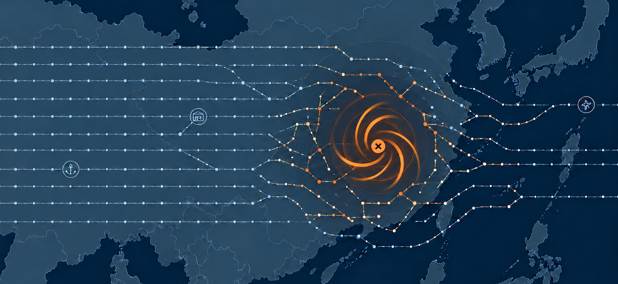
Are We Measuring Logistics Performance or Logistics Confidence?
Nothing has failed. Yet confidence is declining.
A guide to AI sovereignty: How HPE and NVIDIA help agencies balance control, compliance and scale
<p>As AI transitions from experimental pilots into core operational environments, maintaining strict control over data, where it resides, model behavior and overall system governance is both a strategic and regulatory imperative. Particularly given the sensitivity of government workloads, scaling AI requires a careful balance between deployment speed and authority over data, infrastructure and outcomes.</p>
How modern is your modernization?
From recovering legacy knowledge to preparing for quantum, agencies need a foundation that can evolve with the mission.
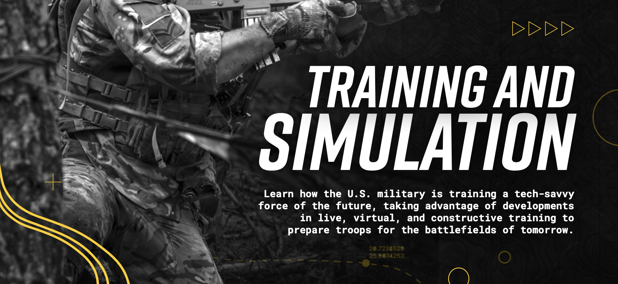
Training and Simulation
<p> <style type="text/css"><!--td {border: 1px solid #cccccc;}br {mso-data-placement:same-cell;}--> </style> Learn how the U.S. military is training a tech-savvy force of the future, taking advantage of developments in live, virtual, and constructive training to prepare troops for the battlefields of tomorrow.</p>




When Government Faces Uncertainty, Contracts Provide Context
By Patrick Hughes, Public Sector Industry Advisor at Icertis
HPE/NVIDIA | Fast-track government AI deployment through AI factories
How government can rethink its approach to IT modernization

NASCIO 2026 Special Report
<p>Route Fifty reports from the organization’s annual conference in San Diego on the trends, concerns and future challenges facing state tech leaders.</p>


ServiceNow’s Blueprint for Agentic Government: The Executive Brief
<p>Agencies face rising demand, aging systems, and a retiring workforce, and hiring alone cannot close the gap. This executive brief explains how ServiceNow orchestrates AI across existing systems, turns policy changes into executable workflows, and governs every agent through one platform. The result is Autonomous, Human Government: services delivered, budgets respected, and public trust returned.</p>
Akamai Segmentation Impact Study Public Sector
<p>With the rapid advent of AI, segmentation is a powerful cybersecurity defense. Learn how public sector organizations are reducing ransomware impact, increasing visibility, responding to zero-day attacks, and achieving compliance.</p>
Akamai: Rethinking Zero Trust - Volume 1
<p>In volume 1 of this e-book series, explore CISA’s five-pillar zero trust model, identify where technology silos in the model can result in risk, and how to move beyond the pillars to a least permissive trust approach for comprehensive protection.</p>
JFrog Trusted Mission AI Whitepaper
<p>Federal agencies need binary-level supply chain governance for AI, including air-gapped networks. This JFrog whitepaper offers a 90-day roadmap to vault assets, block risky packages, and sustain cATO</p>
