
OneGov savings balloon to over $1.6B as agencies weigh future of AI in contracting
Douglas Rissing/Getty Images


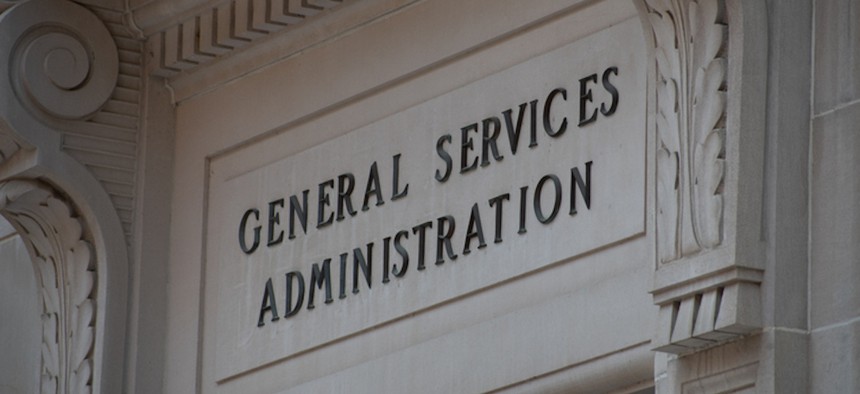
The General Services Administration has already agreed to extend some OneGov deals and is working on brokering new ones, according to an official.
The OneGov program has saved the federal government about $1.62 billion — including about $1.4 billion through limited-time discounts on artificial intelligence — since its inception, a General Services Administration official said Thursday.
“That number may not capture the full impact because some agencies might have used the OneGov pricing to negotiate pricing on their own contracts outside of GSA’s [involvement],” Birgit Smeltzer, director of the agency’s Office of IT Products, said at the GovCIO Federal AI Forum.
Indeed, the Centers for Medicare and Medicaid Services is one example of an agency that has negotiated technology discounts beyond OneGov. But federal agencies only have limited time access to discounted software through the OneGov program.
Smeltzer said some of the original equipment manufacturers have already agreed to extend the duration of their OneGov discounts or are working on forging new offers. She did not say which manufacturers have already promised to reup discounts or when GSA would announce them.
“Some of the [original equipment manufacturers] have already agreed to extend some of the limited time offers, and some are looking at producing new offers for us,” she said.
GSA officials previously said they want manufacturers to extend OneGov deals as they look to become direct contractors on the Multiple Award Schedule. Officials have also said they want the OneGov initiative to extend beyond technology and software.
Smeltzer forecasted that even though OneGov prices “will eventually increase, the offers have already created significant value for agencies.”
“Leveraging the OneGov has been tremendous in order to really prove value,” said Geoffrey Sage, director of the enterprise services and analysis division within NASA’s Office of Procurement.
OneGov is just one way agencies are thinking about AI and contracting.
NASA has started to talk with industry about how it should use AI in contract evaluations, Sage also said at Thursday’s event. That specific application of AI has been a “thin red line” for the agency to date but it's also a “necessity,” he added, while noting that NASA takes a risk-based approach in deciding to use AI.
“We spend 85 percent of the agency's budget through procurement,” Sage said. “We can't afford AI to trip up and hamper our source evaluation process.”
Federal use of AI to evaluate contracts has recently garnered scrutiny, with some contractors alleging agencies are misusing the technology and relying on hallucinations in their evaluations.
NASA is also using AI to bring its number of contract writing systems down from three to one next year, Sage said.
Federal officials should view industry as collaborators, Anil Chaudhry, senior AI advisor for the Transportation Department, also said at the event.
“As a government employee, you can no longer have a mindset that you're competing with industry. You have to have that mindset that you're collaborating with industry,” he added.
NEXT STORY: Palantir’s no-bid pipeline just got bigger