
VA resumes EHR rollouts at four Michigan medical sites
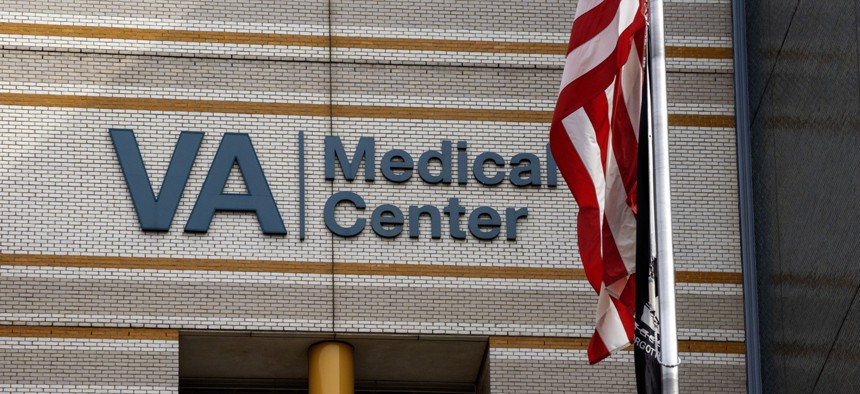
Jim West/UCG/Universal Images Group via Getty Images






The Department of Veterans Affairs previously paused most deployments of its modernized electronic health record system in April 2023 following a series of performance and technical issues.
The Department of Veterans Affairs deployed its new Oracle Health electronic health record system at four Michigan-based medical facilities on Saturday, with the go-lives marking the official end of VA’s yearslong operational pause on most rollouts of the updated software.
The resumption of EHR system deployments came after VA instituted an operational pause on the program in April 2023 following a series of technical, safety and usability concerns associated with the new software. At that point, VA had implemented the new system at just five of its 170 medical facilities. The agency subsequently conducted a joint rollout of the Oracle Health EHR system with the Pentagon in March 2024 at a healthcare site in North Chicago.
The agency said at the end of the Biden administration in December 2024 that it was planning to restart go-lives of the new software at four Michigan-based medical sites in mid-2026. After being confirmed to his post at the start of the Trump administration, VA Secretary Doug Collins announced in March 2025 that the agency was adding nine additional medical facilities to its 2026 deployment schedule, bringing the total to 13 sites.
Under Collins’ leadership, VA has made resuming successful deployments of the modernized EHR system a top priority. During a Senate Veterans’ Affairs Committee hearing in January, Collins told lawmakers “you have every right to be skeptical” about the success of the upcoming deployments, but added that “all I can tell you right now is, unlike anything in the past, I have set my eyes and focus on getting this done, because I knew it's where we needed to be.”
Some lawmakers have expressed serious reservations about the future of the EHR modernization push despite VA’s recent efforts to right the project, particularly the ballooning cost of the program.
VA first signed a $10 billion contract — later revised to over $16 billion — with Cerner in May 2018 to modernize its EHR system. Oracle acquired Cerner in 2022 and rebranded the new unit as Oracle Health. A recent cost estimate provided to lawmakers pegged the EHR modernization project’s new total at roughly $37 billion.
The resumption of EHR system go-lives, however, has received fanfare from VA officials and some lawmakers, who have highlighted the agency’s intense focus since the start of the Trump administration on righting the effort.
Collins, VA Deputy Secretary Paul Lawrence and Rep. Tom Barrett, R-Mich. — who chairs the House Veterans Affairs’ Subcommittee on Technology Modernization — were on hand at the John D. Dingell VA Medical Center in Detroit on Friday for a go-live event to mark the site’s transition to the new system.
“These first EHR deployments in 2026 represent real progress toward a unified electronic health record that strengthens care delivery for our patients and providers,” Lawrence said in a statement. “With our Michigan sites now live, we are building strong momentum as we prepare for the next wave of implementation.”
The agency’s EHR rollout is part of a broader deployment of a streamlined, interoperable Oracle Health system across VA, the Defense Department, the U.S. Coast Guard and the National Oceanic and Atmospheric Administration. A top Oracle Health official touted the resumption of the modernization program and the company’s work with VA to make it happen.
"Oracle is proud to support VA’s transition to the Federal EHR and pleased with the successful go-live that took place this weekend in Michigan,” Seema Verma, executive vice president and general manager of Oracle Health and Life Sciences, said in a statement provided to Nextgov/FCW. “In partnership with VA, this multi-year modernization effort will deliver better, more consistent patient outcomes and streamlined clinician workflows to ensure veterans receive the best care possible no matter where they are treated.”
Beyond the four Michigan rollouts that occurred simultaneously on April 11, additional deployments are slated to occur in June, August and October at nine more medical facilities located in Indiana, Kentucky, Ohio and Alaska. Collins previously said the goal is to build momentum for future go-lives, with VA hoping to roughly double the number of site rollouts in 2027.
In a press release announcing the successful launch of the new system at the Michigan medical sites, VA said it worked to restart the program by bringing on additional staff, streamlining oversight of the effort, getting medical facilities more involved in the deployment process and “fixing hundreds of problems related to the initial rollout of the EHR system at the six original VA sites.”
The Trump administration’s proposed fiscal year 2027 budget, released earlier this month, would allocate $4.2 billion for the continued deployment of the new system. That comes after VA’s FY26 budget directed $3.4 billion toward the EHR modernization project, although Congress included a provision in the funding measure that made 30% of those funds contingent upon the agency meeting certain performance metrics and providing more detailed deployment data.
NEXT STORY: HHS replaces COBOL-based payroll system