
Senate passes 10-day FISA extension after House revolt sinks long-term deal
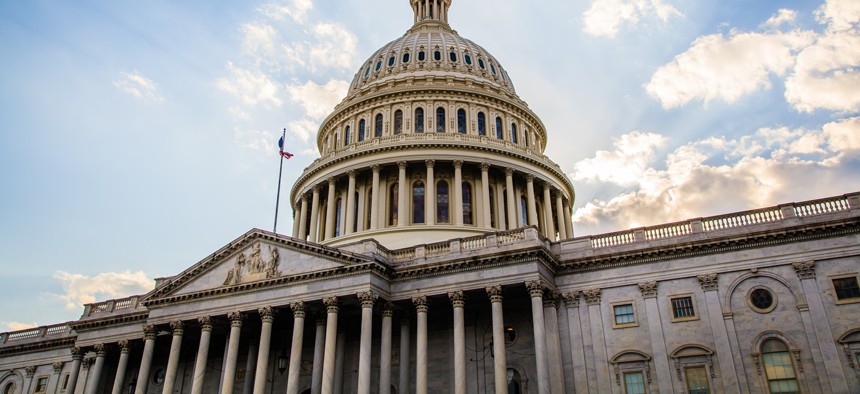
Omar Chatriwala/Getty Images






The short-term patch was cleared by unanimous consent hours after the House sank a five-year proposal and had to pivot to the 10-day stopgap. It now goes to President Donald Trump’s desk.
The Senate approved a 10-day extension of a key surveillance power Friday morning, hours after the House advanced the short-term patch following its failure to reach agreement on a longer-term deal.
The measure, passed via unanimous consent, would grant lawmakers some additional time to negotiate over the future of the spying program, Section 702 of the Foreign Intelligence Surveillance Act. The bill extends the program until April 30, instead of its prior expiration of April 20. It now goes to President Donald Trump’s desk for his signature.
The spying power lets U.S. intelligence agencies warrantlessly compel communications providers to furnish messages of foreign targets abroad. In the process, agencies can also collect Americans’ communications if they are in contact with those targets. Privacy advocates have long pushed for a requirement that agencies like the FBI and NSA obtain a warrant before searching U.S. person data collected under the program.
Sen. Ron Wyden, D-Ore., a longtime privacy advocate on the Senate Intelligence Committee, is seeking serious reforms to the measure. He has circulated a classified letter to colleagues in both chambers arguing the program has been abused under a “secret interpretation.”
Wyden told reporters the 10-day bill passage was the “right decision” for now and that the small extension gives lawmakers more time to discuss reforms for the statute.
After an hours-long holding period set by House leadership Thursday, a proposal to extend the authority for five years with a number of add-ons was introduced just before midnight, but it unraveled in the lower chamber early Friday morning amid opposition from many Democrats and GOP hardliners.
The Trump administration had initially sought a clean extension of the law for an 18-month period, meaning that a warrant reform would not be included in its desired reauthorization. But that 18-month bid collapsed soon after the 5-year proposal had tanked.
The House Freedom Caucus has been a key source of opposition for the administration throughout the reauthorization process. The White House has argued the importance of maintaining the surveillance authority amid ongoing national security threats, including those from Iran. Intelligence officials have long argued against a warrant for queries of U.S.-person data because they believe it would slow down timely national security investigations.
But the fight over the surveillance authority has also been shaped by rising unease over privacy and government power, with Democrats and advocacy groups questioning how Americans’ communications are handled and processed once collected.
Those worries have intersected with broader concerns over domestic surveillance, immigration enforcement and the potential for advanced artificial intelligence tools to amplify agencies’ and contractors’ ability to analyze sensitive personal data.
Section 702 was enacted in 2008, codifying parts of the once-secret Stellarwind surveillance program created under the Bush administration after the Sept. 11, 2001, attacks. In 2013, former NSA contractor Edward Snowden revealed documents detailing how the authority was used, fueling a global debate over privacy and mass surveillance.
In March, the Trump administration notified Congress that the Foreign Intelligence Surveillance Court renewed certifications for the surveillance program, letting it operate for another year even amid its potential expiration.
But the split between the court’s recertification process and Congress’s role in renewing Section 702 can create legal gray areas for firms required to submit to the program. The intelligence court approves the rules governing the program, but only lawmakers can extend the authority itself, raising questions about compliance if the statute lapses.