Congress
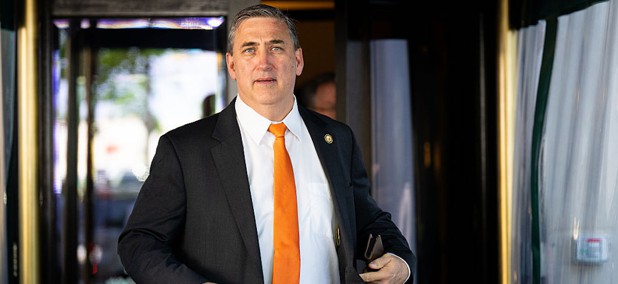
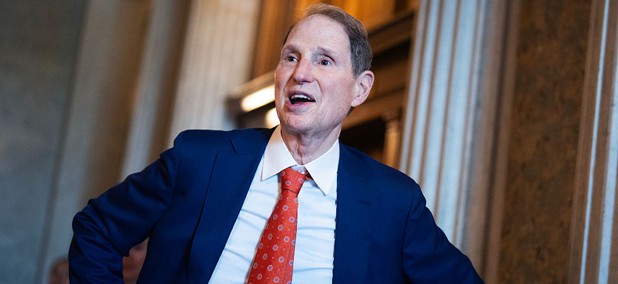
Wyden, Tillis plan holds on Trump’s CISA nominee after Jan. 6 remarks
The bipartisan resistance complicates Michael LoSapio’s path to confirmation before Democrats take control of the Senate in January.
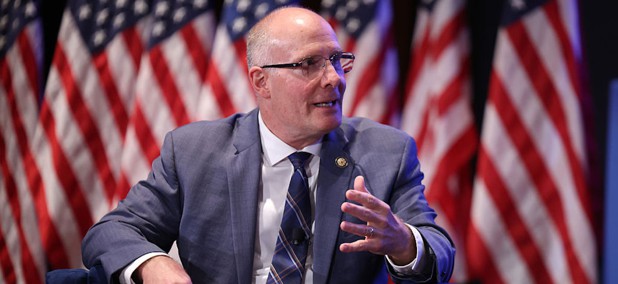
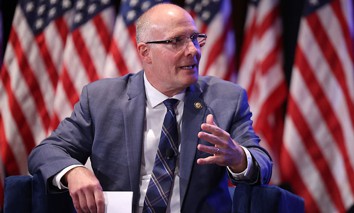
Moolenaar suggests Nvidia-linked businesswoman was Chinese intelligence asset
House China Select Committee Chairman John Moolenaar, R-Mich., and Rep. Greg Stanton, D-Ariz., both said they expect to get more information from former Nvidia CEO Jensen Huang during interviews next month.
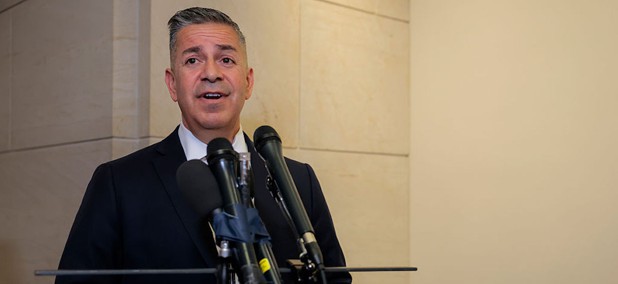
Lawmakers call for bipartisan approach to AI, quantum policy in next Congress
Republican Rep. Pat Harrigan of North Carolina said he expects political headwinds for emerging technologies, while Democratic Sen. Ben Ray Luján of New Mexico urged Congress to work together to sustain U.S. leadership in quantum.
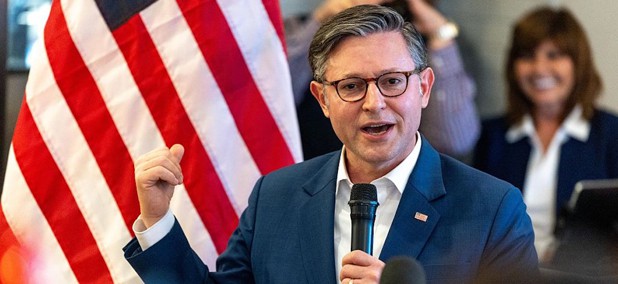
Congress returns to slew of cyber deadlines and unfinished AI safety bills
Cyber threat-sharing protections expire Dec. 11, while proposals to oversee advanced AI and strengthen a global vulnerability-tracking program await action.
Ongoing AI dialogue with China is necessary in coming Congress, top tech lawmaker says
“The Chinese Communist Party doesn’t want rogue AI agents hacking their systems and their water authorities any more than we do,” Rep. James Walkinshaw, D-Va., said Thursday.


Tech policy coalition calls for new Congress to set AI safety standards
Chamber of Progress hopes for a greater focus on consumer protection and access to technological benefits when Democrats take over the majority in January.
Democrats’ midterm sweep puts CISA cuts, intelligence disputes under scrutiny
Rep. Bennie Thompson, D-Miss., said House Democrats will investigate how the Trump administration has used DHS. In the Senate, Democrats will also control confirmation hearings for the officials who lead the nation’s security agencies.
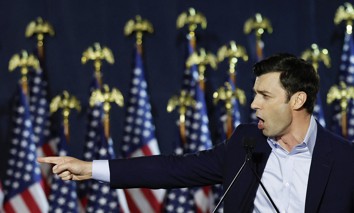
What the midterm results mean for federal tech policy
A newly blue Congress is expected to conduct oversight on myriad tech, cyber and surveillance issues, ranging from FITARA, to workforce cuts, to data centers and more.
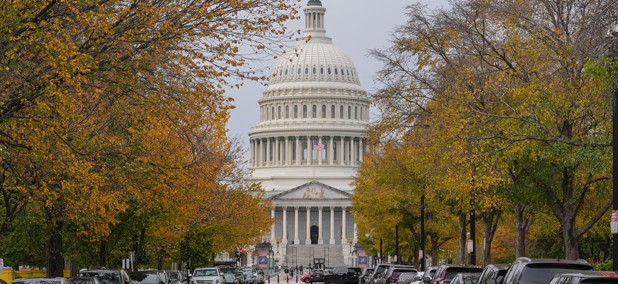
Industry groups urge Congress to renew cyber threat-sharing law through defense authorization
Banks, utilities and other industries want lawmakers to extend liability protections through 2035. A stopgap measure currently keeps them in place until Dec. 11.

Democrats press OpenAI over safety researcher firings, security incidents
The lawmakers are questioning OpenAI’s safety practices following the dismissal of three researchers.
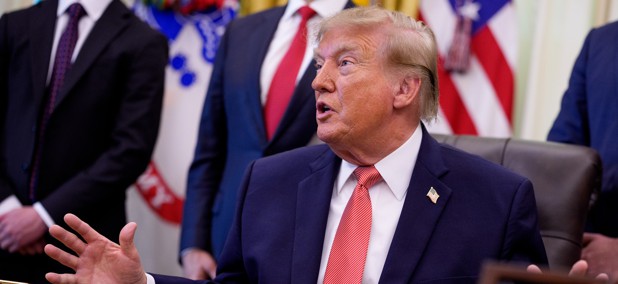
House Democrats call on Trump to preserve AI chatbot records
The request to preserve AI conversations could signal what's to come if Democrats flip the House in next week’s election.
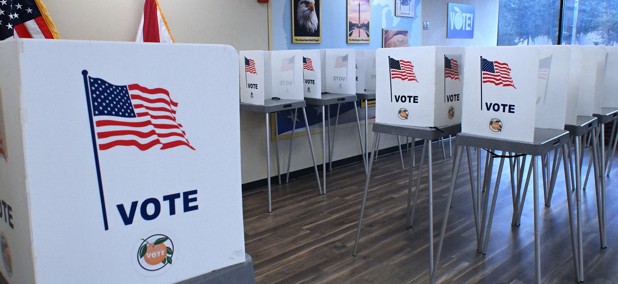
Democrats warn tech firms of election security ‘backsliding’ ahead of midterms
Senior intelligence and election oversight lawmakers want social media companies and AI developers to strengthen safeguards against false voting information, foreign influence campaigns and deceptive AI content.

Permitting reform ‘single most important thing we could do for national security,’ senator says
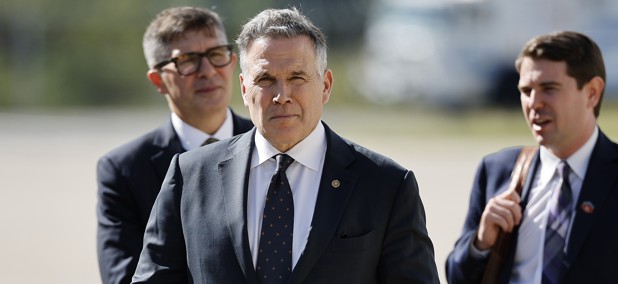
Sen. Dave McCormick, R-Pa., said China’s energy production “is really something we have to compete on, and right now we can't do that without permitting.”
Exclusive
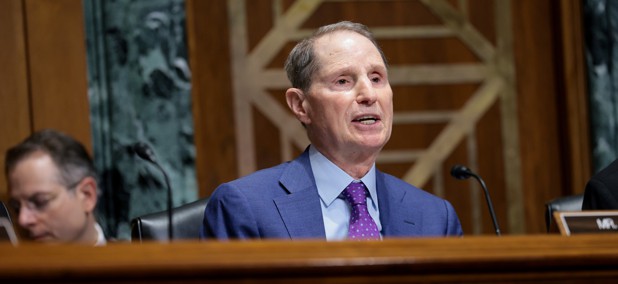
Senator warns hundreds of federal web addresses may lack key spying protection
The list includes websites for FBI tips, intelligence job applications and the Veterans Crisis Line.

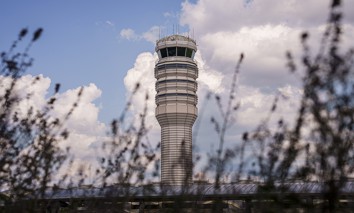
House Democrats seek watchdog review of AI-powered air traffic control systems
The inclusion of AI capabilities has “rightfully raised serious questions about its reliability and safety benefits,” House Transportation and Infrastructure Committee Democrats wrote in a letter to GAO.
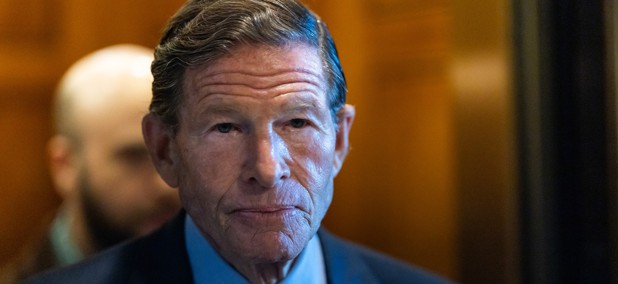
Top Dems press VA for answers on $17B EHR modernization contract boost
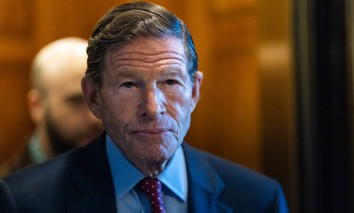
The ranking members of the House and Senate Veterans’ Affairs committees said VA’s “citation of ‘unanticipated complexities’ as the rationale for nearly tripling the original contract remains unexplained.”
Experts hope new AI czar’s leadership can move the needle on regulation
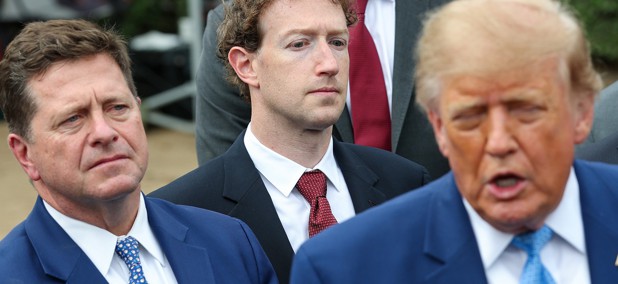
“Maybe [the AI czar] can work with Congress to help come up with some governance, some laws” covering AI, one former Trump official told Nextgov/FCW.
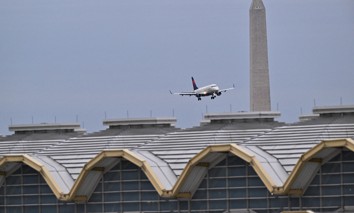
Transportation works to ease fears about new AI air traffic control tool
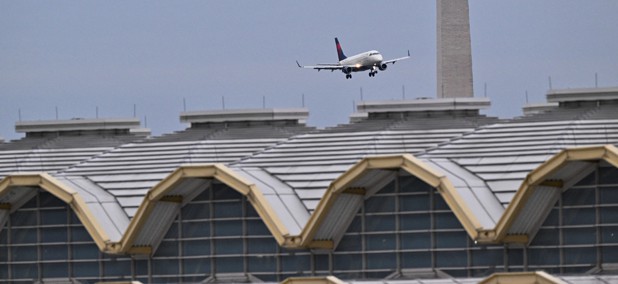
Rep. Don Beyer, D-Va., who has expressed skepticism about Transportation’s rollout of an AI-powered tool at D.C.-area airports, said he had “a good conversation” with FAA Administrator Bryan Bedford about the new capability that helped to alleviate some of his worries.
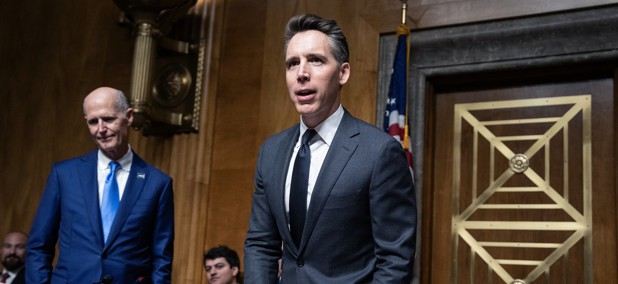
AI firms should be held liable for their models’ actions, lawmakers say
Sens. Josh Hawley, R-Mo., and Chris Murphy, D-Conn., have introduced legislation that would hold AI agent operators and developers criminally and civilly liable for hacking incidents.
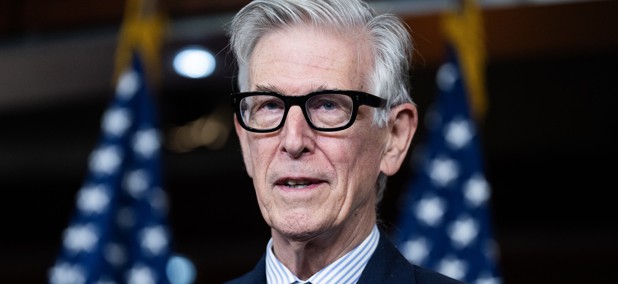
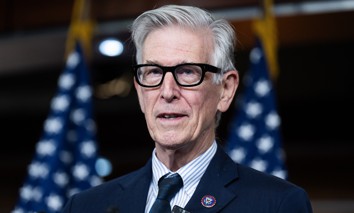
Commercialization of fusion energy will ‘change everything,’ lawmaker says
Rep. Don Beyer, D-Va., told Nextgov/FCW that the U.S. is only “two to 10 years away from fusion energy at scale” because “you can model the plasma using AI, which you couldn’t do before.”