
White House seeks clean extension on controversial spying law
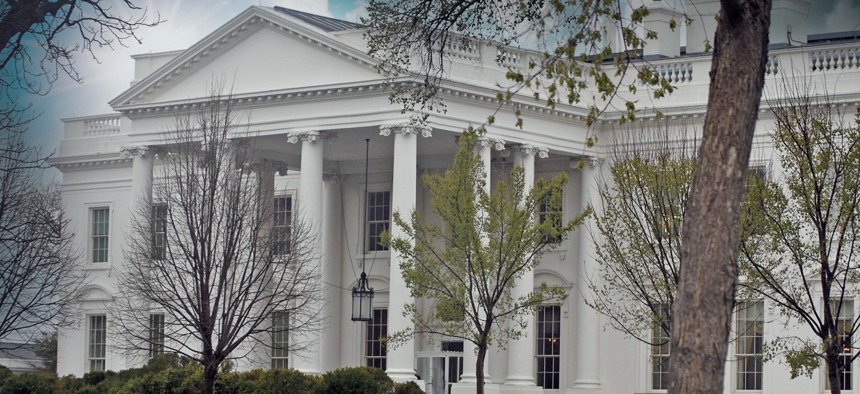
Douglas Rissing/Getty Images





Despite Donald Trump’s previous misgivings, his administration is signaling confidence in the statute with its current stance.
The Trump administration is pushing for a clean reauthorization of a controversial spying law set to lapse in April, according to a top lawmaker and a second person familiar with the matter.
The statute, Section 702 of the Foreign Intelligence Surveillance Act, allows spy agencies to compel internet and telecom providers to supply communications data on foreign targets abroad without a court warrant. But the process can also sweep in communications of Americans talking to targeted persons, raising major civil liberties concerns.
“President Trump has requested a simple, clean extension and I support the commander-in-chief on this vital national-security decision,” Senate Intelligence Committee chairman Tom Cotton, R-Ark., said in a statement to Nextgov/FCW.
The administration’s desire for a clean extension is sure to be welcomed by most lawmakers on both the House and Senate intelligence panels, and will likely tee up a battle over significant reform measures long desired by their colleagues in the chambers’ Judiciary committees.
A clean extension would mean renewing the spying power without a warrant requirement for searches of U.S. person data collected under the statute.
Collected 702 communications are stored in classified databases, where analysts query them for foreign intelligence. Search terms — known as “selectors” — can include names, phone numbers or email addresses of targeted individuals. Analysts may query stored U.S. person data when they believe doing so is reasonably likely to return useful information for investigations.
But the FBI has acknowledged that it has made improper use of Section 702, specifically admitting to searching for information on individuals involved in the January 6, 2021, U.S. Capitol riot, as well as people arrested during 2020 racial justice protests following the police killing of George Floyd.
Those misuses fueled a number of reforms put into place when then-President Joe Biden signed a law renewing the statute for just two years in April 2024. Efforts to require warrants for 702 searches involving American communications came close to success during the 2024 reauthorization debate, when a House amendment failed in a 212–212 vote.
The administration’s stance signals that President Donald Trump has confidence in the statute’s functions, despite his prior misgivings.
During the 2024 reauthorization cycle, Trump — then a presidential candidate — publicly called for Congress to “kill” the Foreign Intelligence Surveillance Act, though he was conflating the specific Section 702 authority up for renewal with the broader law in which it’s housed. His demand stemmed from FBI-led investigations into his 2016 campaign’s ties to Russia, specifically the FISA warrants used to surveil former advisor Carter Page.
The White House held a meeting earlier this month with top officials to discuss what Section 702 stance the administration would take.