Telecom
Chinese telecom firms kept footholds in US networks despite federal crackdowns, House probe finds
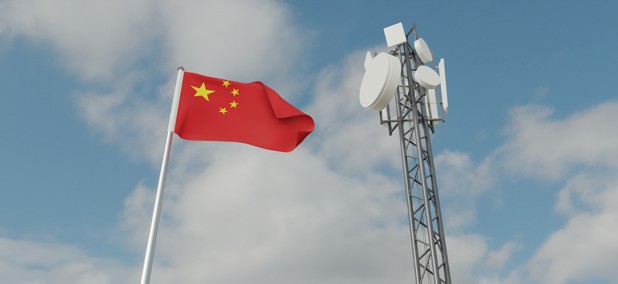
China Mobile, China Telecom and China Unicom retained equipment, data center space and network ties after FCC restrictions, including a China Mobile-linked network that appeared in routes to Salt Typhoon servers.


What the Telecommunications Act of 1996 teaches the federal government about governing AI
COMMENTARY | The federal government's responsibility is to establish clear rules before markets become entrenched.
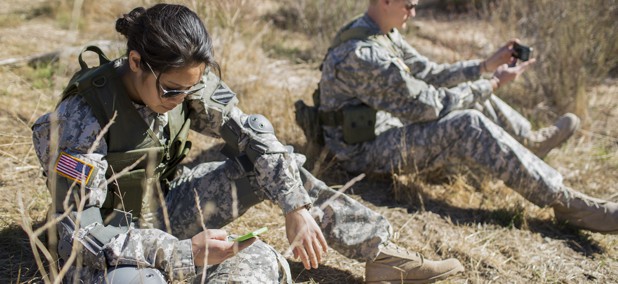

Commercial location data is being used to target US servicemembers, lawmakers warn
U.S. Central Command said it “has received multiple threat reports concerning adversary exploitation of commercial location data to target or surveil U.S. personnel in theater.”
Telecom firms form new cyber information-sharing group
AT&T, Verizon, Comcast and others are among members of the C2 ISAC that aims to boost cybersecurity of the telecommunications sector, a prime target for foreign hackers.
FCC proposes blocking high-risk firms from automatic telecom market approvals
The initiative would bar providers on the agency’s “Covered List” from more fluid operating approval in the U.S., aiming to close a longstanding regulatory gap.
Chinese telecom hackers likely holding stolen data ‘in perpetuity’ for later attempts, FBI official says
“I think it’s important to say we do not know exactly what the [People’s Republic of China] intends to do with a lot of this information,” said FBI cyber official Michael Machtinger.

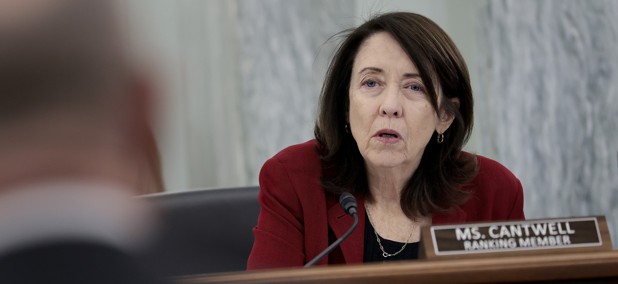
Senator says AT&T and Verizon blocked release of Salt Typhoon security reports
“AT&T and Verizon apparently intervened” to block a major cyber intelligence firm from sending documentation about the telecom hackers, Sen. Maria Cantwell wrote in a letter.

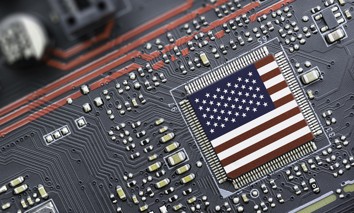
Three Years to Rebuild the Internet or Lose the AI Race
COMMENTARY | The nation that builds Cloud 2.0 first will shape the innovation economy for decades.


FCC votes to reverse telecom security rulemaking issued under Biden
The vote has drawn significant concern from congressional Democrats, who say it will weaken the security posture of telecom systems. The initial measure was enacted in response to Chinese hacks of U.S. telecom providers discovered last year.


Dem lawmakers renew calls for release of delayed telecom security report
In a letter to DHS and ODNI, Sens. Ron Wyden of Oregon and Mark Warner of Virginia said the release of a 2022 report detailing cyber vulnerabilities in the U.S. telecommunications sector is “critically important to U.S. national security.”
FCC to vote on reversing telecom security rulemakings next month
The initial measures proposed at the end of the Biden administration came in response to the Salt Typhoon telecom hacks carried out by China.
FCC initiates process to ban Hong Kong Telecom in US
The agency has previously barred China-linked communications providers from operating on American soil.


CISA to release telecom security report as its director nominee nears confirmation
The 2022 report, which has not been made publicly available, has been used as leverage by Senator Ron Wyden to hold Sean Plankey from being confirmed as director of CISA.


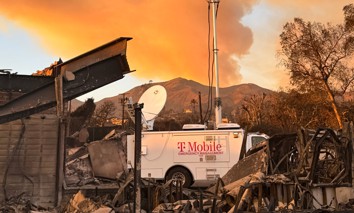
T-Mobile is using 5G, drones and AI to help first responders
The provider’s T-Priority 5G network slicing solution aims to give first responders enhanced connectivity services in disaster zones.
FBI asks public for tips about Salt Typhoon telecom hacks
Salt Typhoon accessed at least nine U.S. telecom firms and their systems that facilitate legal access requests for law enforcement.

Chinese telcos provide backbone for US allies’ mobile traffic, raising espionage concerns
A report from iVerify and other researchers found that mobile networks in countries like Japan, South Korea and New Zealand route telecom traffic through Chinese state-backed infrastructure.


Senator puts hold on Trump cyber nominee, citing ‘cover up’ of telecom security report
An unreleased 2022 report is said to contain vital information about the security posture of the U.S. telecommunications sector, according to Sen. Ron Wyden, D-Ore., who is blocking Sean Plankey’s nomination to lead CISA.
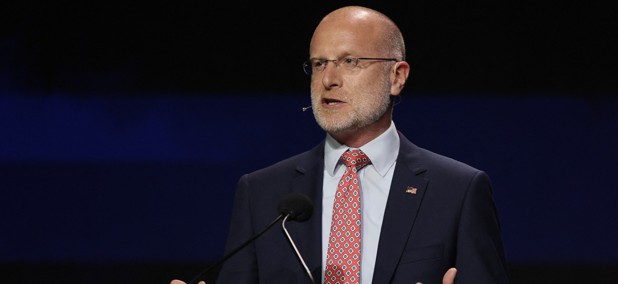

FCC to investigate potential US operations of restricted Chinese firms
The commission’s new chairman, Brendan Carr, believes that some or all of the companies on the FCC’s Covered List are still operating in the nation.


NVIDIA and MITRE announce AI-powered 6G project
The chip manufacturer and defense research firm will work with telecommunications companies to embed artificial intelligence into next generation wireless networking.
Salt Typhoon hackers exploited stolen credentials and a 7-year-old software flaw in Cisco systems
The Chinese hacking collective has widely leveraged vulnerabilities in communications infrastructure to breach dozens of telecom providers in the U.S. and overseas.

Salt Typhoon hackers possibly targeted telecom research at US universities
Recorded Future’s latest findings shed light on how widespread the Salt Typhoon campaign has become since it was uncovered last year.
