Social Media
Bipartisan bill pushes DHS to review terrorist risks from foreign-based mobile apps
The legislative proposal calls out several China- and Russia-tied apps for particular attention.
Supreme Court sides with Biden admin over contact with social media firms
The decision now lifts potential legal burdens on federal agencies’ communications with social media companies about disinformation on their platforms.
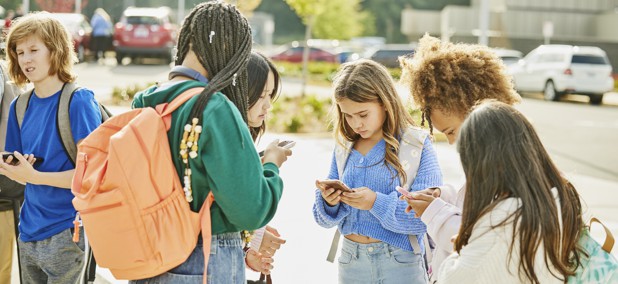
Prodded by fed up parents, some in Congress try to curb kids’ use of social media
Lawmakers are seeking to set a minimum age to access social media and put more of the onus on social media companies and their algorithms, while also giving parents more controls in trying to protect their kids online.
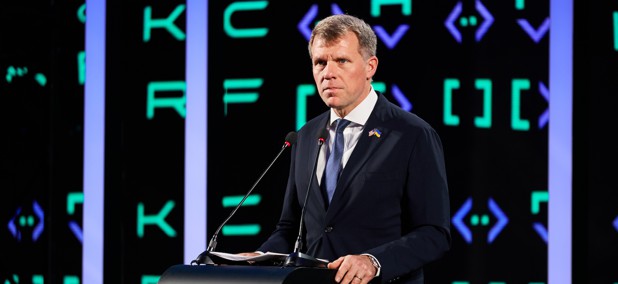
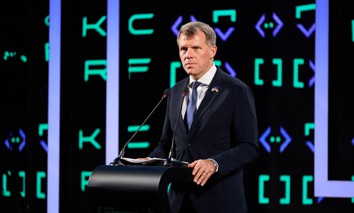
Most Americans unaware of foreign intel operations’ scope on social media, State Dept. official says
U.S. Ambassador at Large for Cyberspace and Digital Policy Nate Fick’s assessment comes five months before a high-stakes U.S. presidential election.
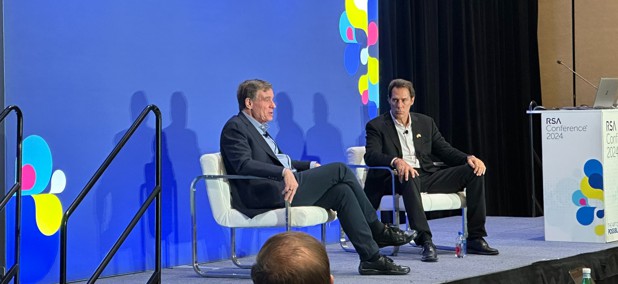
CISA, FBI resuming talks with social media firms over disinformation removal, Senate Intel chair says
The Senate Intelligence Committee will hold an election security hearing in two weeks, according to Sen. Mark Warner, D-Va.



China-backed operatives used fake social profiles to gauge US political division, Microsoft says
Some of the fake accounts used AI-generated images, and have doubled or tripled their followers since being detected, the company told Nextgov/FCW.
Supreme Court clarifies when public officials can block citizens on social media
The Supreme Court unanimously found in a pair of cases that whether a government official can block a constituent on their personal social media account hinges on if a post is a state action or is private conduct.
US, EU recommend protections for human rights defenders online
The U.S. State Department and the European Union released an approach for protecting human rights defenders from online attacks.
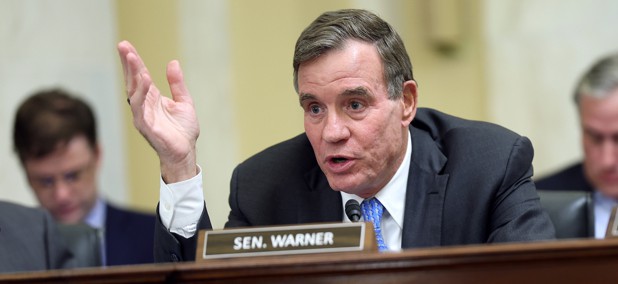
CISA is still maintaining radio silence with social media as Super Tuesday kicks off
The lack of communication stems from an ongoing Supreme Court case that one top senator says Biden administration lawyers have been “too timid” in addressing.

Federal judge temporarily blocks Montana’s TikTok ban
U.S. District Judge Donald Molloy said in his preliminary injunction that the first-of-its-kind state law “likely” violates the First Amendment. A trial to review its legal authority could still reinstate the ban.
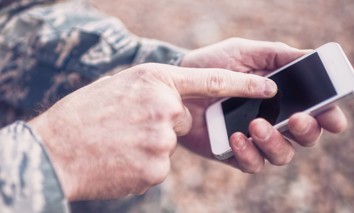
Service member influencers are helping DOD recruit, Pentagon official says
Social media posts shared by “genuine service members on their own” are helping the Pentagon recruit more young Americans into the U.S. military, according to the deputy secretary of defense.
Supreme Court lifts restrictions on federal agency contacts with social media firms
The ruling frees up federal agencies to contact social network platform owners about content moderation issues and other matters, pending the resolution of a court case.

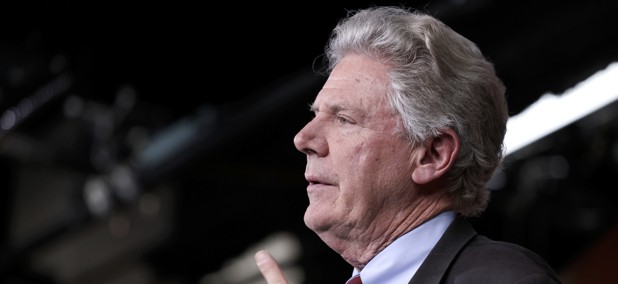
Lawmaker demands action from social media companies amid disinformation deluge
Rep. Frank Pallone, D-N.J., questioned whether tech companies are doing enough to curb the massive influx of disinformation regarding the Israel-Hamas conflict.
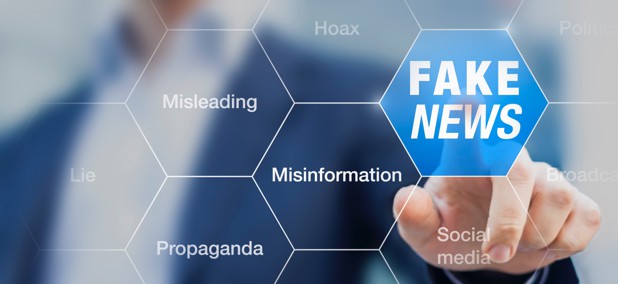
Meta report spotlights ‘largest known’ foreign influence effort across social media platforms
Actors linked to adversarial nations — namely China and Russia — worked across platforms to push inaccurate content, according to a report released Tuesday.

Social media can in fact be made better
COMMENTARY | Research shows it is possible to reward users for sharing accurate information instead of misinformation.
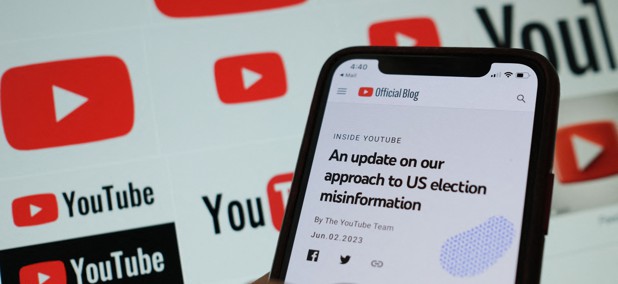
Democrats call YouTube ‘extremely irresponsible’ for election misinformation rollback
YouTube’s decision to stop removing false content about previous U.S. elections “threatens to weaken our democracy,” several top Democrats on the House Energy and Commerce Committee said in a letter to the platform’s leaders.
New bill proposes 'made in China' tags for mobile apps
The legislation would require large online app stores — including Apple’s App Store and Google Play — to disclose the countries where their apps were developed and are currently owned.
Study: Americans Are Getting Better at Avoiding Misinformation
Research suggests Americans are visiting websites that repeatedly make false claims or news stories.
Social Media Scatters Your Brain, And Then You Buy Stuff You Don't Need
Experiments suggest prolonged social media use changes the way users respond to ads.
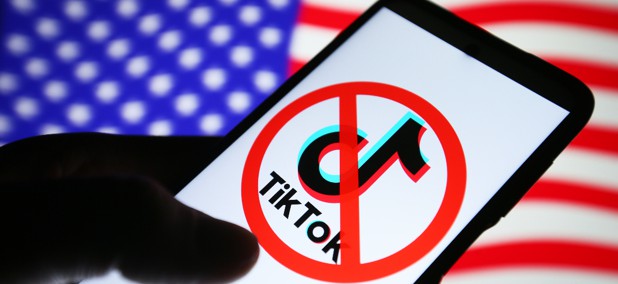
GOP Lawmakers Call for Congressional Ban on Members Using TikTok
A coalition of 17 House and Senate GOP lawmakers called for an amendment to both chambers’ rules to bar members of Congress from using TikTok for official purposes.
