OSTP
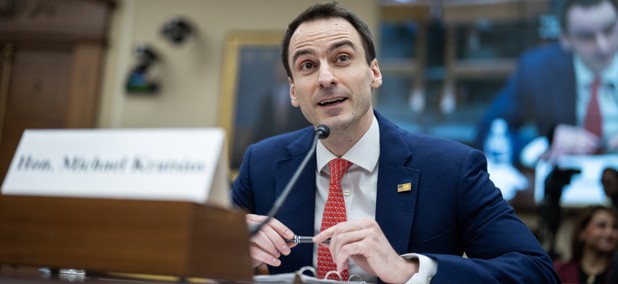
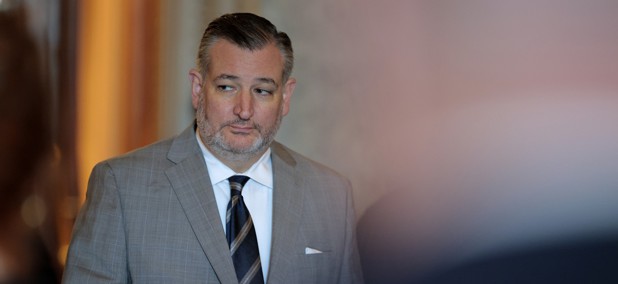

Draft bill from Ted Cruz would establish a federal AI sandbox in OSTP
The federal regulatory artificial intelligence sandbox program would be set up within the Office of Science and Technology Policy, offering waivers from existing rules.
Inside OSTP’s ‘promote’ and ‘protect’ science and tech strategy
Michael Kratsions, director of the Office of Science and Technology Policy, defined the key policy pillars in the White House’s approach to furthering U.S. technology innovation.
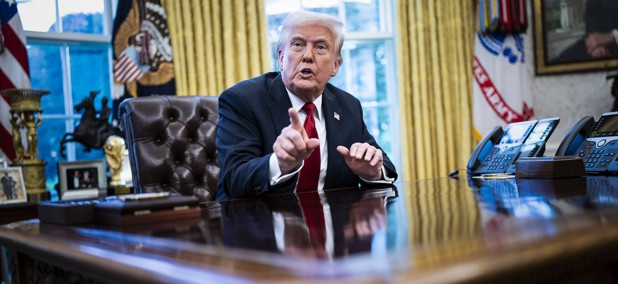
Trump calls on OSTP to ‘blaze a trail’ in global tech dominance and R&D
President Trump told Office of Science and Technology Policy Director Kratsios that the office’s mission will be to both compete with foreign adversaries and use technology to improve American life.
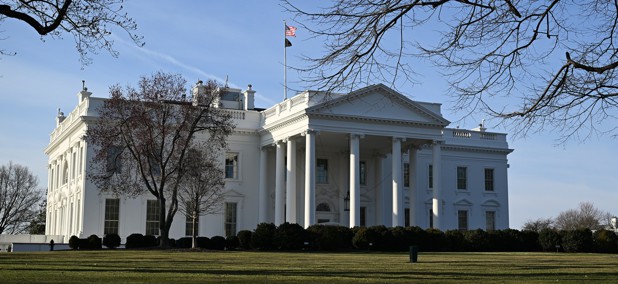
Trump’s US chief technology officer pick would serve dual-role
Ethan Klein served as a tech policy advisor in the first Trump administration.
OSTP director nominee promises to center ‘American leadership’ in emerging tech work
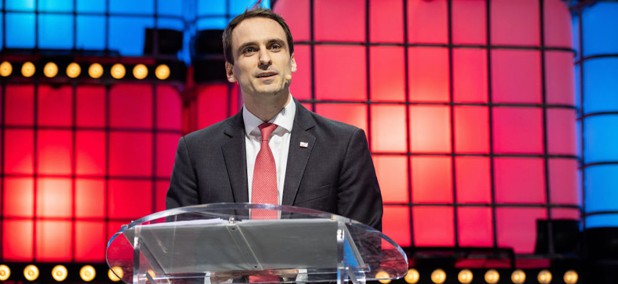
Trump’s pick to lead the Office of Science and Technology Policy, Michael Kratsios, identified innovating in AI and quantum as two of his major priorities.




Federal R&D needs sustained funding, OSTP head warns incoming Trump admin
OSTP Director Arati Prabhakar said the U.S. is “at a pivotal moment for federally-funded R&D” as misinformation and proposed budget cuts threaten government-driven innovation.


White House announces almost $100M in commitments to expand pool of tech talent
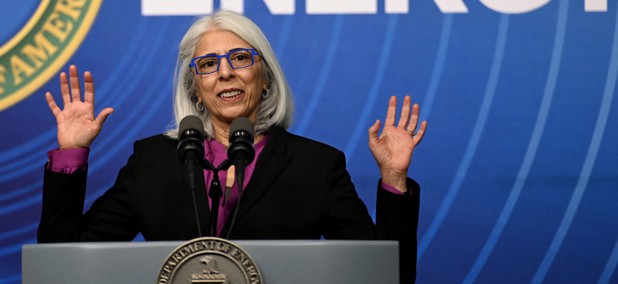
Arati Prabhakar, the director of the White House’s Office of Science and Technology Policy, said the government’s adoption of emerging capabilities “hinges on getting terrific people to come do this work.”
White House to host event showcasing AI’s potential
The Office of Science and Technology Policy will present seven projects that aim to facilitate various public sector operations, featuring collaborations from academia and private sector players.
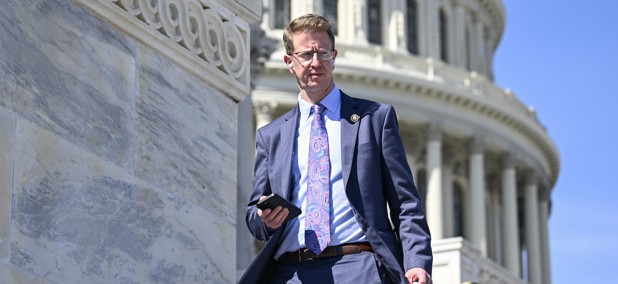
Lawmakers seek details on Biden administration’s AI workforce efforts
The New Democrat Coalition urged OSTP’s Arati Prabhakar to prioritize the development of a “robust federal workforce.”


Agencies have over 1,200 AI uses planned or in operation, watchdog finds
The massive GAO report found that some agencies — like NASA and the Department of Commerce — have made major investments in artificial intelligence, while others struggled to meet federal requirements.
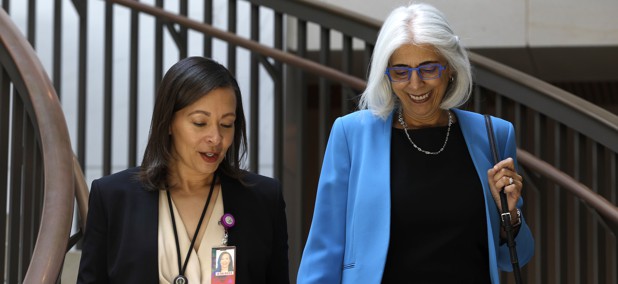
White House to issue 'broad' executive order addressing AI risks and standards
Top science advisor Arati Prabhakar said the forthcoming executive order will address a wide swath of potential AI dangers.
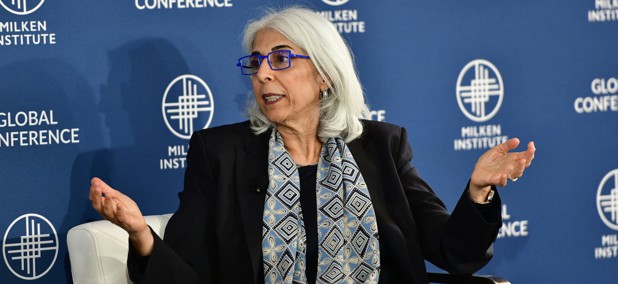
Agency leaders see data analytics and customer service uses for AI
Tech officials told lawmakers they are focused on a socio-technical approach to AI use cases in the government, saying it is not “one size fits all.”



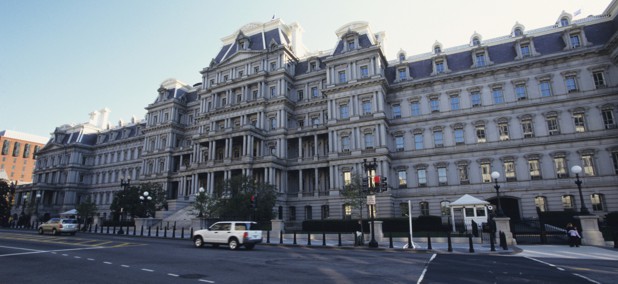

White House names new deputy chief technology officer for policy
Austin Bonner joins White House Office of Science and Technology Policy, though the position of U.S. CTO has not been filled since 2021.


Emerging technologies star in White House R&D priorities
The Office of Science and Technology Policy released the fiscal 2025 federal research priority docket, focusing on a resilient U.S. research culture.
Biden charts governmentwide 'equity agenda'
The OMB director and the head of the Domestic Policy Council will play key roles in implementing the objectives of a new executive order, which eliminates a Trump-era purge of diversity training materials and include the creation of a new data working group .
Biden-Harris team taps DDM, OSTP director
Biden's Cabinet will be the first to include a "Presidential Science Advisor," Dr. Eric Lander, who Biden nominated to serve as OSTP director.
OSTP: Changes needed to better share COVID data
Wider data sharing in the COVID-19 era takes will, as well as broader thinking, AI and machine learning, said White House tech expert.
Agencies ramp up use of challenge competitions
White House and General Services Administration are tracking crowdsourcing along with technology challenges as paths to innovation.
Trump signs order to accelerate AI development
The White House issued an executive order Feb. 11 directing federal agencies to invest more money and resources into the development and promotion of artificial intelligence technologies.
White House plans spring release of AI research strategy
The strategy will be an updated version of a plan first released under the Obama administration.
