International


OpenAI bugging case highlights AI’s insider threat problem
Researchers say the alleged recording attempt shows why AI companies need tighter controls on employee access to sensitive information.
Officials see gaps in election communications as AI makes foreign influence easier
Sources describe weakening cooperation between the federal government and state and industry partners ahead of the midterms, as AI gives foreign operatives cheaper ways to produce and spread deceptive messages.
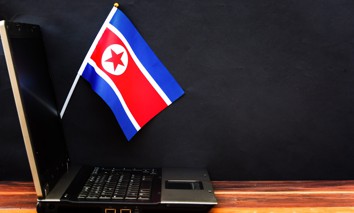
FBI disrupts North Korean ‘laptop farm’ used to infiltrate US companies
Agents seized nearly 190 laptops across Texas in a crackdown on fraudulent remote workers whose earnings help fund Pyongyang’s weapons programs.


GSA removes 244 Chinese products from procurement list
The agency is seeking to fulfill ‘truthful advertising’ and fraud-busting executive orders signed by President Donald Trump.


FBI seizes websites supporting Chinese contractor’s hacking operations
U.S. agencies targeted tools used to find security weaknesses and break into networks, warning of threats to critical infrastructure.


Recent Taiwan simulation highlights US cyberdefense gaps against China, experts warn
Organizers of a cyber conflict exercise say Washington needs to prepare for attacks that both disrupt civilian services and pressure Taipei without triggering outright military conflict.

China-linked hackers posed as former US officials, Anthropic employee to target AI experts
Proofpoint identified phishing campaigns that borrowed prominent figures’ identities to approach U.S. policy researchers before attempting to steal access to their cloud accounts.

Senators propose voluntary telecom security framework after Salt Typhoon hacks
The bipartisan bill would establish cybersecurity best practices and independent certification, following the FCC’s rollback of safeguards adopted in response to the Chinese hacking campaign.


25 years after 9/11, spy agencies face old lessons and new threats
Former intelligence officials describe a nation better equipped to disrupt terrorist plots, but still wrestling with the costs of its response and how to prevent the next crisis under escalating technology threats.
Lawmakers ask Commerce to sanction Indian firms involved in mercenary hacking
The “hack-for-hire” entities have systematically targeted newsrooms covering corporate fraud, legal teams in high-stakes litigation and NGOs.

Intelligence agencies warn of China’s large-scale AI model distillation efforts
Three agencies issued a joint statement warning that Chinese companies DeepSeek, Moonshot AI, Alibaba, MiniMax, StepFun and Z.AI have used the tactics to extract billions of tokens from U.S. models.
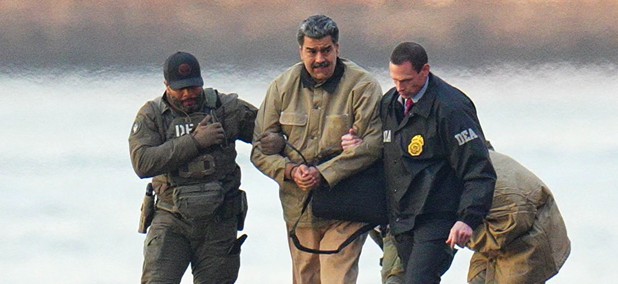

CIA cyber intelligence helped US forces capture Maduro, deputy director says
Michael Ellis credited the agency’s cyber intelligence officers with helping U.S. troops locate and apprehend the Venezuelan leader within minutes of landing.
Trump admin moves to block risky foreign technology from US power grid
A new executive order targets hardware, software and remote-access services and could require operators to isolate or replace equipment already in use.


FBI disables China-linked hacking tools used against US agencies
A hacking group used the tools to target networks belonging to NASA, the Federal Reserve, the National Institutes of Health, the U.S. Senate and the departments of Energy, Justice and Health and Human Services.
Lawmakers press Commerce to restrict Americans from aiding foreign spy agencies
A bipartisan group says unfinished export control rules leave civilian intelligence services able to obtain U.S. cyber, surveillance and AI assistance.
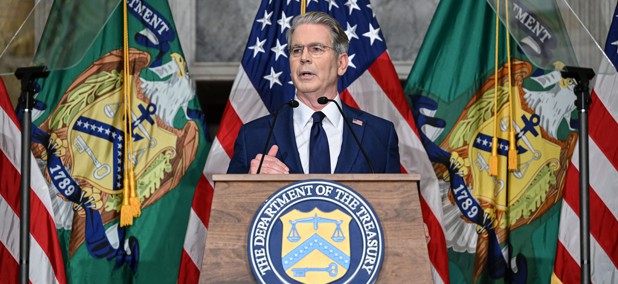
Treasury sanctions Iranian hackers tied to critical infrastructure breaches
Four of the five people named in the cyber action were also charged last week in the Justice Department’s expanded Mabna Institute case.
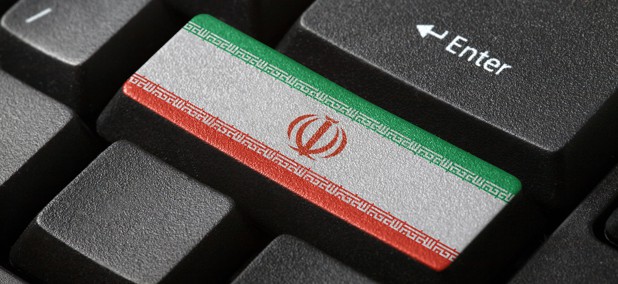
DOJ charges 17 Iranians in cybertheft campaign
Prosecutors say the Mabna Institute — which conducted intrusions for Iran’s Islamic Revolutionary Guard Corps, among other campaigns — stole 31.5 terabytes of academic data and breached email accounts at U.S. agencies and companies.
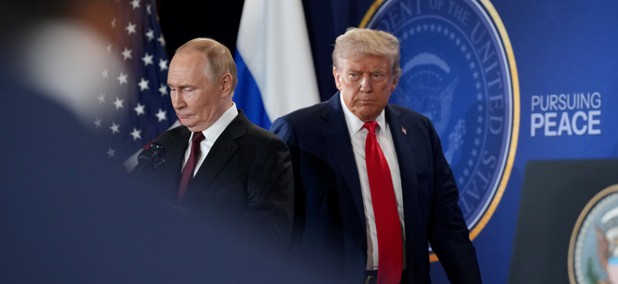
The Russian hurdle in Trump’s new offensive cyber program
The White House wants private companies to help take down cybercriminals overseas. But in Russia, the line between criminal hackers and the government is difficult to draw.
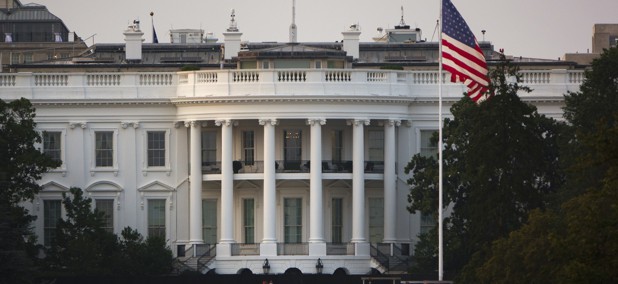
White House S&T strategy calls for new approaches to safeguard US research
The new guidance says the U.S. "will further strengthen its workforce by attracting and retaining top-tier global talent in critical national security S&T fields” — a departure from last year’s National Security Strategy that said global talent “undercuts American workers.”
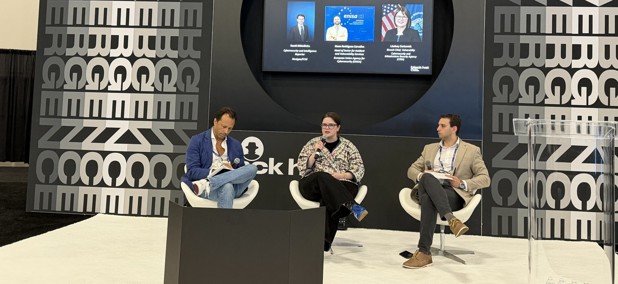
CISA cautions against rigid rules for future of cyber vulnerability program
A top agency official said formal backing from Congress could strengthen the global vulnerability-tracking system but warned against measures that may limit its ability to adapt to ever-changing hacking threats.
