Election Security
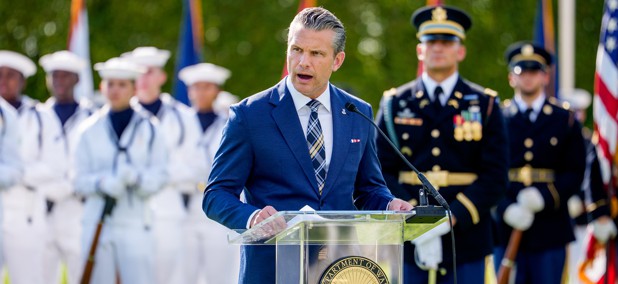
Hegseth orders cyber, intelligence agencies to prioritize election defense
The directive comes as the administration has dismantled or reorganized offices that tracked foreign influence and reduced civilian election security support.
CISA pledges election security support after cuts weakened ties with states
A new plan emphasizes threat sharing and coordination ahead of the midterms, but does not explain how those commitments fit with proposed cuts to dedicated election security funding.
Counties and cities sue over counterterrorism grant rule changes
The four local governments said the Department of Homeland Security’s efforts to tie the grants to election security measures were unconstitutional, as states run elections, not the feds.
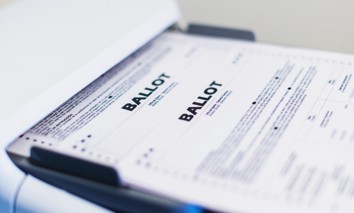
Voting machine researchers say federal work abruptly ended after Trump ally pushed back on their findings
Mojave Research executives said at DEF CON that the government had been preparing to expand the company’s election security work, and linked Trump adviser Kurt Olsen to pressure they faced after finding election system vulnerabilities but no evidence votes were altered.
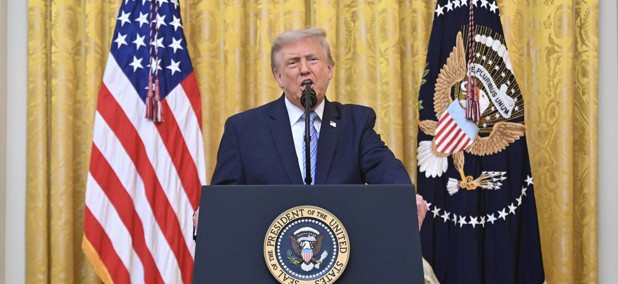
Trump stretches declassified China intelligence into broader 2020 election claims
The records provide new details about Chinese intelligence collection on voters and internal analytic debates, but do not undercut longstanding findings on the 2020 election.

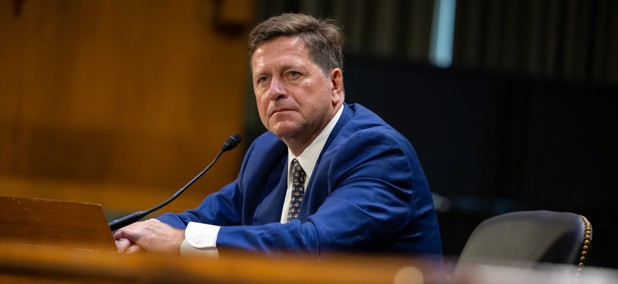
Trump’s intelligence pick pressed on 2020 election, defends handling of New York Times subpoenas
Jay Clayton faced Democratic criticism after repeatedly declining to say Joe Biden won in 2020 and standing by subpoenas issued by his Manhattan prosecutor’s office to four New York Times journalists.
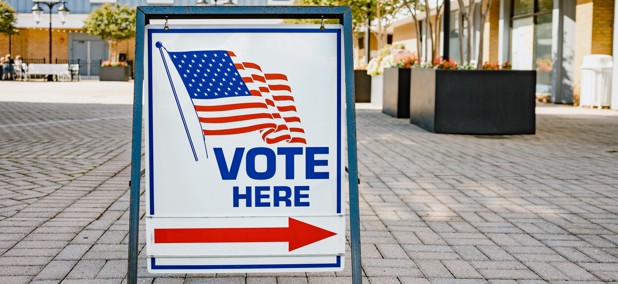
Feds tie counterterrorism grants to election security measures
The new guidance from FEMA would require states to take various steps on elections before receiving funds. Government groups criticized the move as an overreach.
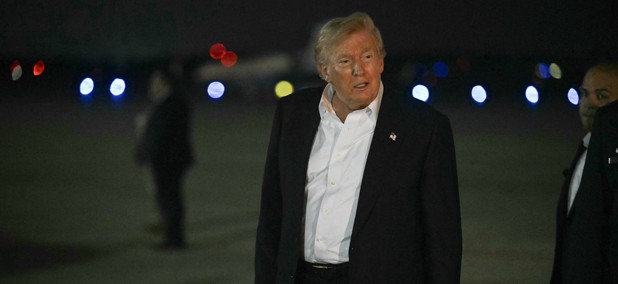
Trump empties out election commission leadership just months before midterms
The shake-up raises questions about voting system certification, federal election security coordination, and the commission’s ability to approve key policy decisions.
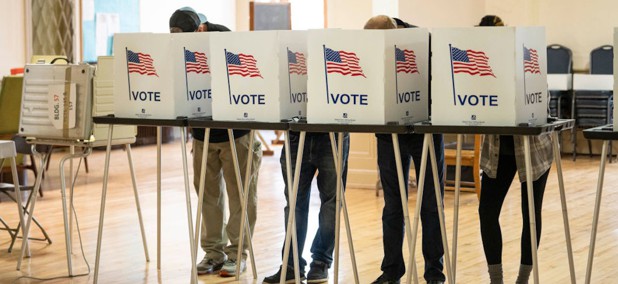
Hackers are already laying groundwork to disrupt the 2026 midterms, research says
The report from cybersecurity firm Check Point lands as the Trump administration pushes new voting rules and intelligence officials face questions about how they are handling foreign election threats.
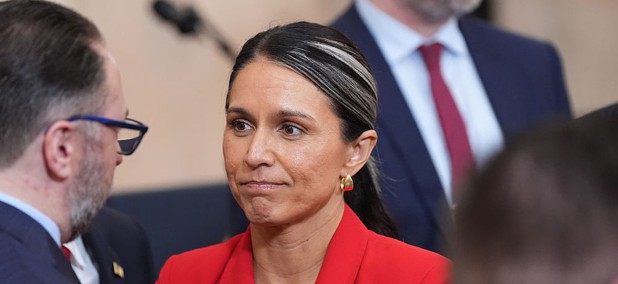
ODNI assigns two officials to lead intelligence coordination on election threats
For months, it was unclear if ODNI ever named an election threats executive responsible for leading election security efforts in the 2026 midterm cycle.
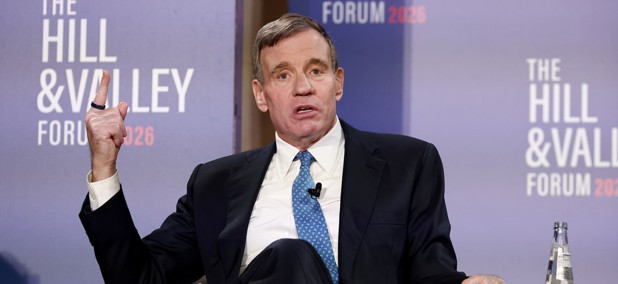
Senator warns CISA election security pullback could leave midterms vulnerable
Mark Warner, the Senate Intelligence Committee’s top Democrat, pressed DHS over reports that states are no longer receiving the same cybersecurity and protection support ahead of the 2026 elections.
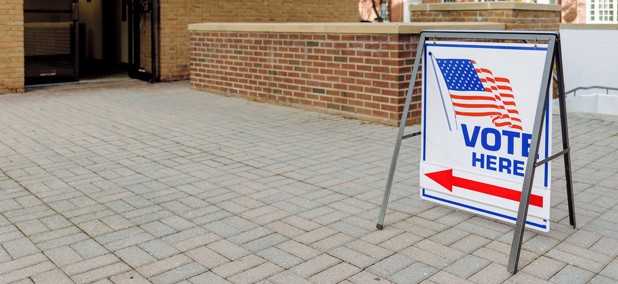
Federal drawdown of election support ‘destroyed’ ongoing relationships, experts say
A House hearing highlighted warnings from state officials and other experts who say the Trump administration’s dismantling of CISA’s election work damages trust and coordination before the 2026 midterms.



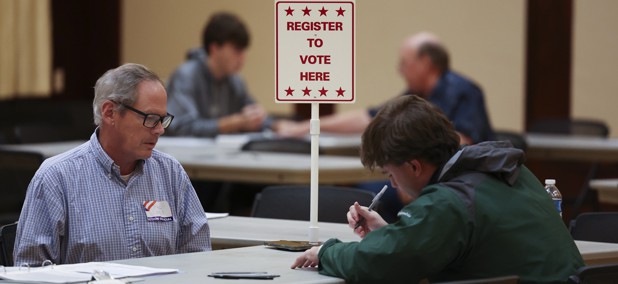
Trump’s goal to create state-by-state citizenship lists isn’t feasible, experts say
A Tuesday executive order mandating that DHS create state-by-state citizenship lists is Trump’s latest effort to exert some control over state-run elections.
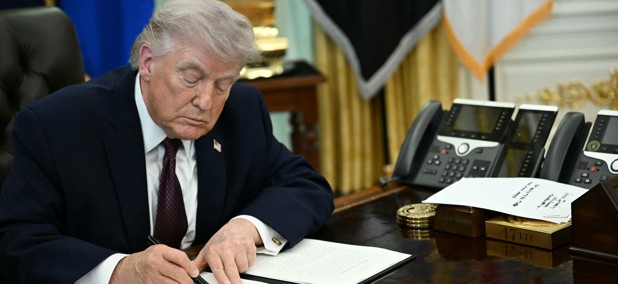
Trump signs executive order setting rules for mail-in voting and eligibility lists
The president has long disputed the mail-in voting process since his 2020 election run. The order is very likely to face legal challenges.
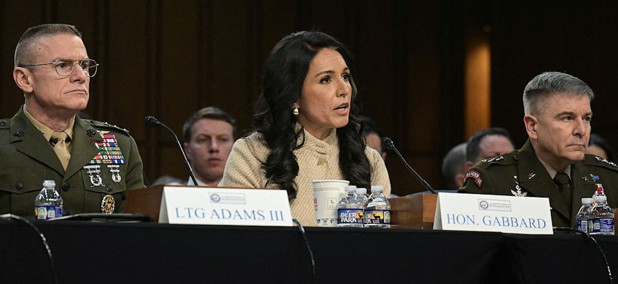
Annual intelligence assessment doesn’t address foreign threats to US elections
In a hearing to discuss the assessment, Director of National Intelligence Tulsi Gabbard also offered mixed signals about Iran’s nuclear capabilities, with her written testimony differing from spoken remarks.
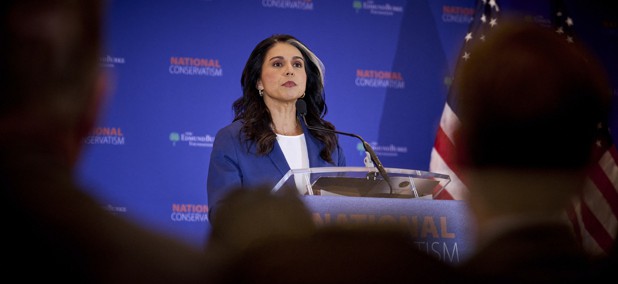
Gabbard’s expanded role in election security draws scrutiny
Since the start of the year, the White House chief of staff and DHS secretary have met multiple times to discuss election security, and DNI Tulsi Gabbard has been present in at least one of those meetings, according to a U.S. official.
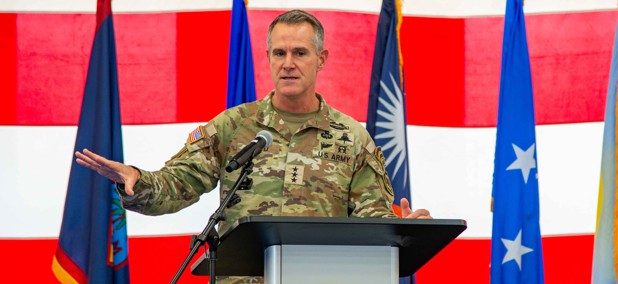
Trump nominee to lead NSA commits to backing controversial spying law
Lt. Gen. Josh Rudd also promised to prioritize NSA efforts to protect U.S. elections.
CISA budget bill would require agency to maintain ‘sufficient’ staffing levels
The congressional justification diverges from steps taken last year to curb the agency’s workforce and election security footprint.

Defense authorization bill includes billions for cyber, intelligence matters
The NDAA notably deviates partly from President Donald Trump’s national security strategy, which seeks some distance between the U.S. and Europe. It also makes a sweeping regulatory harmonization demand.
DHS expanding citizenship system for voter verification, despite concerns about potential disenfranchisement
Twenty-six states are in line to use a revamped DHS system to check their voter rolls for non-citizens, although the network has raised concerns about privacy and accuracy — including if it could kick eligible voters off the rolls.