
Transportation planning to expand its use of agentic AI capabilities
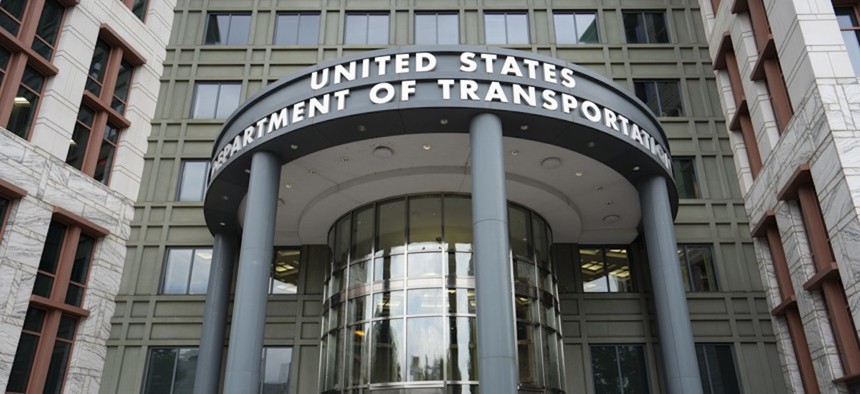
hapabapa/Getty Images



 By
Natalie Alms
By
Natalie Alms
A growing number of federal agencies are moving to adopt agentic AI capabilities across their operations.
The Transportation Department is planning to deploy AI agents, according to a Thursday Salesforce announcement, making it the latest agency that’s signaled plans to use the technology.
The premise of agentic AI is that it goes a step beyond generative AI to take actions, although the term is used to describe systems with varying degrees of autonomy. As one Associated Press headline reads, “tech’s newest buzzword is a mix of marketing fluff and real promise.”
How and when exactly Transportation will be using agentic AI isn’t clear. But the technology could help with complaints management, review grant applications for compliance or analyze complex weather and traffic datasets to generate real-time alerts or recommend mitigation strategies, the software company says.
“We needed to make a strategic shift to deliver on our mission: adding AI at the core of everything we’re doing,” the department’s chief information officer, Pavan Pidugu, said in a statement.
Transportation isn’t the only agency angling to use agentic AI.
The Food and Drug Administration announced last week that it was rolling out agentic workflows to its staff for work like pre-market reviews, inspections and compliance. Earlier this week, the Pentagon also announced new AI efforts it says will also include agentic workflows powered by Google’s Gemini for Government.
Both of those efforts came after the Internal Revenue Service indicated last month that it would be using the technology for tasks like case summarization.
The push for agentic AI across agencies is in line with the Trump administration’s pro-AI stance.
The government’s CIO, Gregory Barbaccia, previously told Nextgov/FCW that AI “is the number one thing that is going to help people mitigate the staffing shortages” after the government has shed hundreds of thousands of employees, pointing to automation as the “holy grail” for federal agencies.
Proponents have also argued that the government shouldn’t risk falling further behind the private sector’s technology by being cautious to adopt agentic AI to increase productivity and automate operations.
Others have cautioned about the risks of the capabilities, including the security, accountability and oversight challenges that arise when technology is acting autonomously, as well as the potential for AI to amplify existing biases.
Making sure employees know how and when to use AI is also another important consideration, as one agency CIO has noted.
Transportation is still in the “planning stages” for its deployment of agentic AI, according to Paul Tatum, executive vice president of Salesforce’s global public sector sections. He added that the goal is to “lighten the load on their civil servants.” Salesforce has been pushing governments to use AI since launching a new platform for agentic AI in October.
Tatum said that the technology will have to abide by the same sorts of business rules human civil servants would in doing these tasks.
Transportation is also using other Salesforce products behind the scenes, including the Salesforce cloud product for its consumer complaint portals and MuleSoft for an interstate data exchange at the Federal Motor Carrier Safety Administration. The department is also planning to use Data 360 to unify its data, the company announced Thursday.
The latest announcement comes as Transportation is working to unify and modernize its IT under a single operating model it has dubbed, “1DOT IT.”
If you have a tip you'd like to share, Natalie Alms can be securely contacted at nalms.41 on Signal.
NEXT STORY: OMB, OPM pitch new governmentwide HR system