
Half of workers potentially eligible for federal disability benefits don’t apply, survey finds
AndreyPopov/Getty Images




Technology can help the half of Americans who do apply, but education efforts are needed for the half that don’t, a lawyer said.
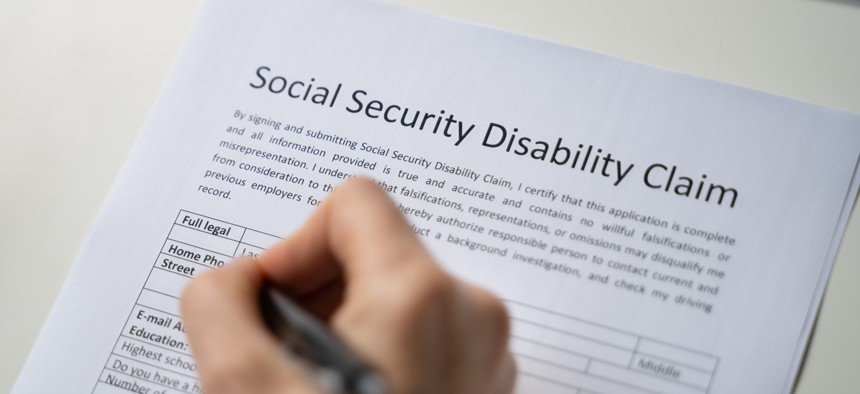
American workers who may be eligible for Social Security Disability Insurance, or SSDI, rarely know they could have it or how to access it, according to a survey from law firm Atticus that was published Tuesday.
Nearly half of workers covered by SSDI believe they have no disability coverage if an injury or illness keeps them unable to work for a year, according to the survey of 1,033 working-age adults. A majority of surveyed workers did not know that applying for SSDI costs nothing upfront or that attorneys typically do not charge fees if they lose SSDI cases.
Workers also misunderstand SSDI requirements; for example, roughly 46% of respondents mistakenly believe that applicants must be U.S. citizens, the survey found.
“More public education is needed aimed at reaching people before disability strikes. Many people learn about SSDI only after a diagnosis or injury, exactly when the burden of navigating a complex system is heaviest,” Stephanie Akpa, head of policy and public affairs at Atticus, told Nextgov/FCW.
Atticus is working on YouTube videos and articles to explain SSDI, but touchpoints such as annual Social Security statements and online my Social Security accounts could also help boost SSDI education, according to Akpa.
“The [Social Security Administration] does a great job reaching out to people as they approach retirement, but more could be done to promote disability coverage,” Akpa said. “In the early days of SSDI, the agency ran poster campaigns, television PSAs, and direct mail outreach, but this level of investment hasn’t been funded in years.”
SSA did not respond to a request for comment on SSDI education by the time of publication.
The Atticus survey found about 51.7% of adults have heard of SSDI, which is about 20.4 percentage points lower than the share of adults who have heard of Medicaid.
Ultimately, only about half of workers who may be eligible actually end up applying for SSDI, according to Atticus estimates based on publicly available data from the Bureau of Labor Statistics and SSA.
“Technology can make a difference for the half who pursue claims, but for the half who never apply, our research and experience point to a knowledge gap,” Akpa said.
SSA has gradually digitized aspects of the disability claims process. In July, the agency announced that claimants can submit some adjudication forms, track disability claim status and access 26 additional kinds of notices online.
SSA has also begun working with “vetted partners” on an application programming interface, or API, that would let claimants’ representatives submit fully digital disability benefits applications, according to a letter Atticus sent to the House Ways & Means Committee in June.