
CMS launches ‘chili cook-off competition’ to source AI that can detect fraud
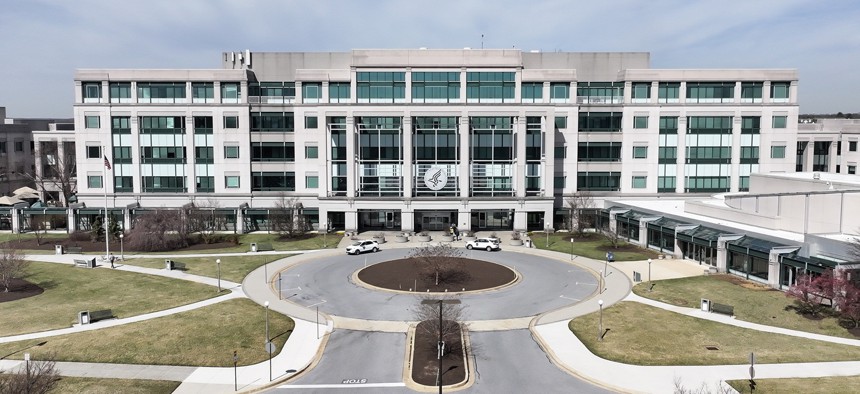
Kayla Bartkowski/Getty Images





The agency said it is looking for innovative solutions that can “uncover unusual patterns, anomalies, or trends that may signal fraudulent activity” in Medicare claims data.
The Centers for Medicare and Medicaid Services has launched a challenge to identify artificial intelligence solutions and machine learning models that can be used to detect fraud in the Medicare program.
CMS announced the start of the “Crushing Fraud Chili Cook-Off Competition” on Aug. 19, calling it “a market-based research challenge” to identify emerging technologies that can “detect anomalies and trends in Medicare Fee-for-Service (FFS) claims data that can be translated into novel indicators of fraud.”
The agency said it is “prioritizing the use of innovative, data-driven approaches, including explainable AI/ML” that can analyze large datasets to “uncover unusual patterns, anomalies, or trends that may signal fraudulent activity.”
“However, pattern detection alone is not sufficient to determine, let alone prove, fraudulent behavior, especially in legal or enforcement contexts,” CMS added in its competition overview. “That’s why it is critical to understand the underlying factors driving these anomalies. This deeper insight enables the development of clear, evidence-based indicators of fraud. These indicators can then be used to proactively flag similar fraud schemes across Medicare claims data and enhance the efficiency of program integrity efforts.”
According to the agency, solutions should extend beyond identifying “individual suspicious providers, which can be costly and time-consuming to pursue one by one, but on uncovering broader patterns and systemic vulnerabilities that affect large groups of claims or entities.”
The competition is being conducted in two phases, with research proposals accepted through Sept. 19. Ten finalists will advance to the second phase, in which they will receive “access to the 2022-2024 Standard Analytical Files (SAF) LDS data containing Medicare FFS Hospice, Part B, and DME claims for a random 5% sample of Medicare beneficiaries” after signing a Data Use Agreement with CMS.
During a panel discussion at GovExec’s Government Efficiency Summit last month, CMS Chief Operating Officer and Deputy Administrator Kim Brandt called the challenge a win-win for the agency.
“We get to see how all your great technologies work and how it actually can add value, but yet, at the same time, we don't have the capability to judge those ourselves,” she said. “So by putting it like that, it gives everybody a level playing field, but it also allows us to then get to really see some cool aspects and hopefully be able to put them to use in the next year.”
Brandt said an independent contractor will evaluate the phase one responses, and then provide CMS officials with feedback on the solutions that seem most feasible.
“Those people will then be taken to round two, if you will, and round two will have access to actual Medicare claims data for a period of time in which they'll be able to test their solution against actual Medicare claims data in a simulated environment,” she added.
An independent analysis will also be conducted at the end of the competition, with some of the finalists — including the challenge winner — potentially receiving contracts with CMS “to help us sort of modernize the waste, fraud and abuse piece of it,” Brandt said.
The Trump administration has prioritized efforts to identify waste across the federal government, with the cost-cutting Department of Government Efficiency receiving particular attention for slashing agencies’ contracts and workforces.
The competition also comes after the budget reconciliation bill — nicknamed the One Big, Beautiful Bill — was signed into law by President Donald Trump last month. The measure included many of President Donald Trump’s second-term priorities, like immigration enforcement, and also directed billions of dollars to CMS.
The Department of Health and Human Services previously reported on July 17 that CMS identified 2.8 million Americans enrolled in duplicative healthcare programs.
"HHS staff uncovered millions of Americans who were illegally or improperly enrolled in Medicaid and ACA plans," HHS Secretary Robert F. Kennedy, Jr. said in a statement, adding that “with the passage of the One Big Beautiful Bill, we now have the tools to strengthen these vital programs for generations to come."