CMS



CMS taps Mathematica, Deloitte to improve effectiveness of its healthcare models
An agency spokesperson said the four-year Learning Insights for Action project “will enable CMS to efficiently target resources across models with varying periods of performance and support cross-model learning.”

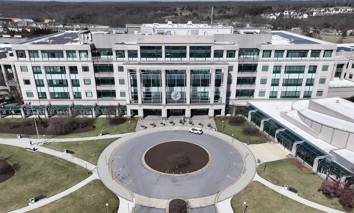
CMS quietly moved a Medicaid technology project to a federal data hub as new eligibility requirements approach
Federal technology offerings promise to help states implement some parts of Medicaid work requirements kicking in on Jan. 1, 2027, but not all of them.
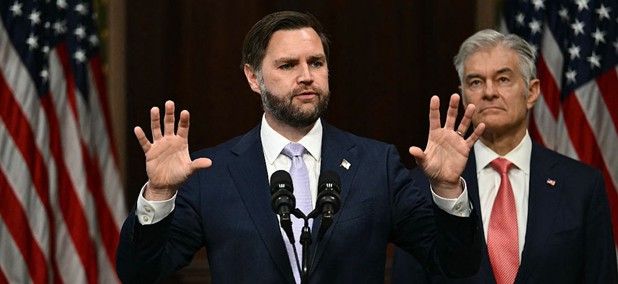
White House withholds $1.3B in Medicaid payments to California amid broader fraud crackdown
Vice President JD Vance said the administration will audit states’ Medicaid Fraud Control Units and threatened to “turn off” federal funding for the watchdogs if their fraud prevention efforts are found to be deficient.


Agency leader says AI is helping resource-strained workforce identify more fraud
The Centers for Medicare and Medicaid Services official also said the Trump administration’s efforts to combat fraud in government are enabling her to “push the needle” with using the technology.


CMS rule looks to kill faxed, mailed claims in favor of e-submissions
CMS Administrator Dr. Mehmet Oz said the new rule “will modernize American healthcare by standardizing electronic claims attachments and enabling secure electronic signatures.”



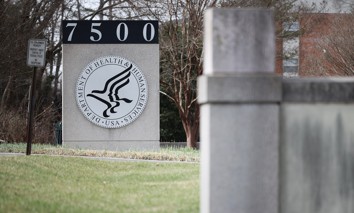
CMS seeks to expand tech-driven fight against Medicaid fraud
The agency is looking at “testing new approaches and really being able to think outside of the box” to claw back improper payments, according to CMS COO Kim Brandt.


AI ‘nihilism’ is a barrier to better health care, CMS lead says
CMS Administrator Dr. Mehmet Oz said the agency has had internal discussions about introducing an agentic AI tool “for every beneficiary.”
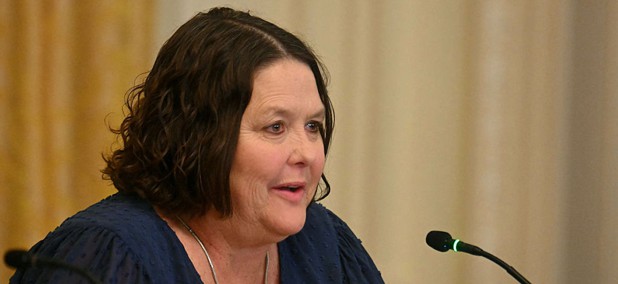
CMS touts early uses of new biometric verification tools for Medicare.gov
Amy Gleason, acting administrator of the U.S. DOGE Service and strategic advisor to CMS, said 60% of accounts created since the rollout “have all been using one of these modern credentials.”
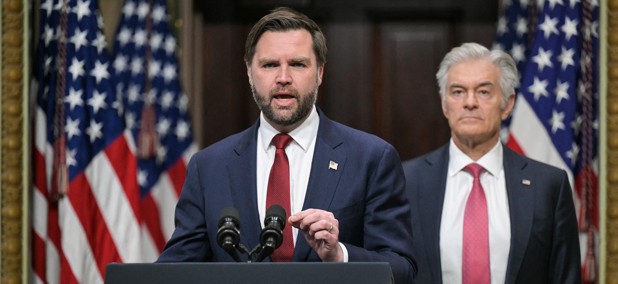
White House ‘war on fraud’ to begin with freezing Medicaid payments to Minnesota
Minnesota Governor Tim Walz called the move “retribution.”

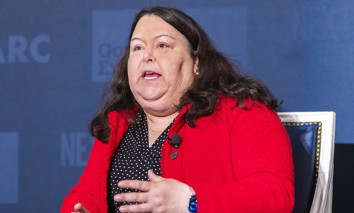
CMS saved $2 billion by using AI to fight fraud, official says
Centers for Medicare and Medicaid Services COO Kim Brandt talked about her agency’s use cases for artificial intelligence in the ongoing battle against fraudulent medical claims.

CMS built a waitlist for its AI chatbot — and that drove momentum — official says
The approach helped the agency get more targeted insights from those familiar with the emerging capabilities.

CMS launches ‘chili cook-off competition’ to source AI that can detect fraud
The agency said it is looking for innovative solutions that can “uncover unusual patterns, anomalies, or trends that may signal fraudulent activity” in Medicare claims data.


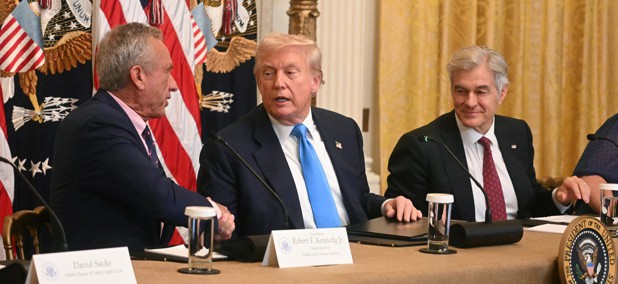
White House launches digital health initiative backed by leading tech firms
President Trump said the effort to create a more robust digital health ecosystem will give providers and patients more streamlined access to health information.

CMS findings identify barriers to effective healthcare
COMMENTARY | Many of these issues are multifaceted and complex to address, and they would require collaboration between public and private sectors.
ATO ASAP: Let’s finally fix the security compliance problem
The process federal agencies go through to prove a system is secure may actually be making us less secure. This is a problem that we must fix today, not tomorrow.
Accenture rebuffed again in Healthcare.gov protest
Accenture Federal Services lost yet another protest in its effort to hold on to a contract operating the Healthcare.gov exchange that connects health insurance applicants to coverage available under the Affordable Care Act.
Advanced tech and human operators
Artificial intelligence and machine learning tools are helping perform cybersecurity tasks, but humans remain central to the process, experts say.
AI faces growing pains in the federal workplace
Auditors want artificial intelligence tools to monitor fraud and abuse, but the new tech is slow to penetrate agencies.
Agencies seek betters ways to track past performance
Federal officials want new methods to get feedback on their vendors into the Contractor Performance Assessment Reporting System.
QSSI gets a 1-year extension on health care data hub
A long and drawn-out procurement including four rounds of protests and multiple federal lawsuits means that the incumbent contractor charged with maintaining a key piece of the Affordable Care Act infrastructure gets another year on the job.
