The annual reintroduction of the Federal Adjustment of Income Rates Act aims to set a baseline for negotiations around federal employee compensation for the coming year.
The inclusion of Elon Musk’s chatbot in the government website follows backlash over the chatbot creating millions of sexualized images of women and children.
Through a recent collaboration with AWS, ECCO Select and Datadog, the U.S. Department of Agriculture (USDA) Forest Service was able to achieve significant measurable observability improvements, bringing greater efficiency to wildfire monitoring and response efforts.
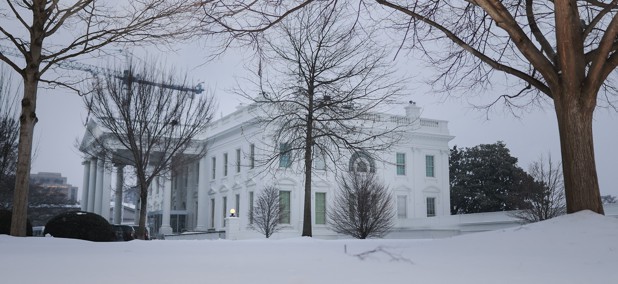
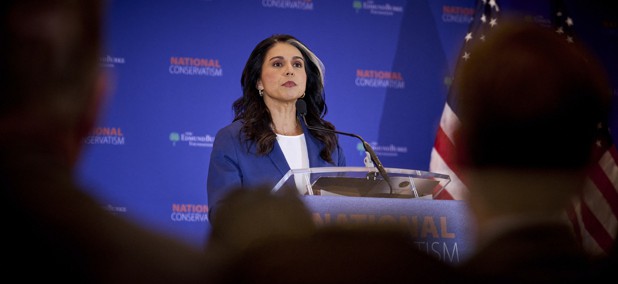
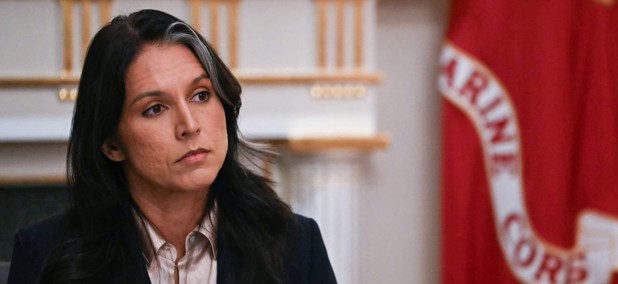
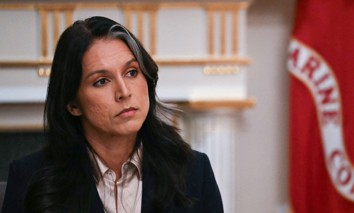
Since the start of the year, the White House chief of staff and DHS secretary have met multiple times to discuss election security, and DNI Tulsi Gabbard has been present in at least one of those meetings, according to a U.S. official.
Seventy-two of the AI use cases previously included in the department’s 2024 inventory were listed as retired, meaning that their “development and/or use has since been discontinued.”
Foreign adversaries are using fake jobs and consulting gigs to coax secrets from former U.S. officials. It’s had results, and the efforts don’t appear to be slowing.
While immigration officials will reportedly not be present at the San Francisco game this weekend, a raft of federal, state and local agencies will be on site to keep the event safe from various threats.
The directive gives agencies three months to identify unsupported edge devices, a year to begin removing them and 18 months to eliminate them entirely.
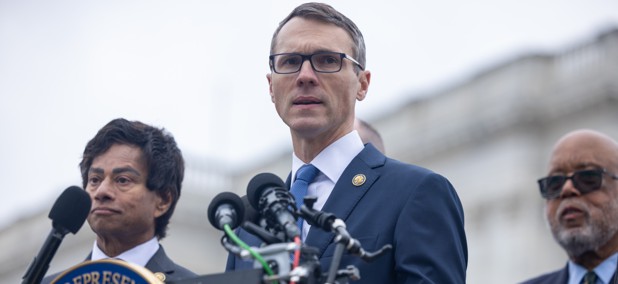
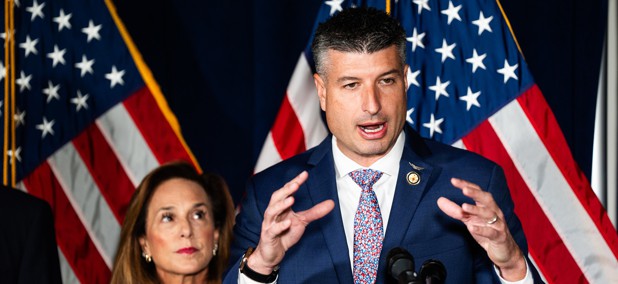
Rep. Jay Obernolte, R-Calif., explained that Congress is angling to design a nationwide AI framework that works with state law while offering common guardrails.
Lawmakers’ concerns about immigration enforcement and Fourth Amendment compliance are weighing on the reauthorization fight for Section 702 of FISA, even as the FBI privately warns against letting the foreign spying law lapse.