TSA
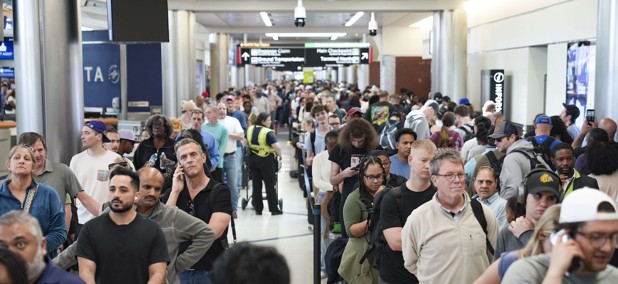
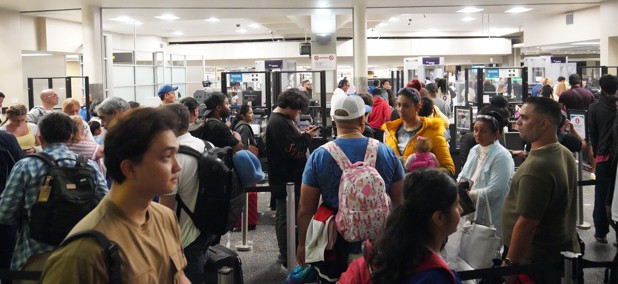
‘No practical use': TSA experts say Trump’s ICE deployments won’t help with airport security
More than 400 TSA employees have left the agency since the shutdown began last month, White House says.
Top CISA official exits for TSA role amid recent cyber office reductions
Ryan Donaghy had served at CISA since 2016. It’s not clear if she was voluntarily moved to TSA or was given transfer orders.
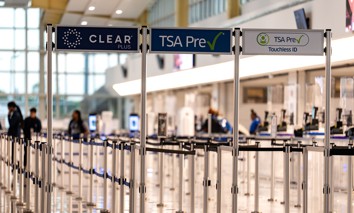
TSA, CLEAR rolling out biometric eGates at 3 U.S. airports ahead of broader deployment
“Once identity and clearance are confirmed, passengers proceed directly to physical screening, bypassing the TSA podium while still undergoing all security screening,” CLEAR said about its new biometric electronic gates.
TSA seeks private sector input to enhance airport security
The agency is seeking solutions that “leverage innovative technology” to improve the security screening experience for both travelers and TSA personnel.
Diversion of Security Fee funds from TSA harms screening tech adoption, report warns
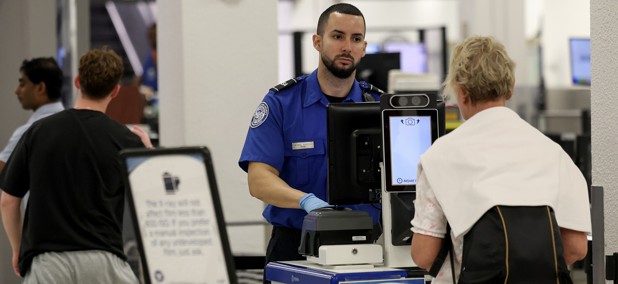
One-third of the September 11 Security Fee meant to fund the TSA is being redirected to help reduce the national debt.



DHS watchdog investigating TSA’s use of facial recognition
The review comes after a bipartisan group of senators previously called for the watchdog to look into TSA’s use of biometric tools “from both an authorities and privacy perspective.”
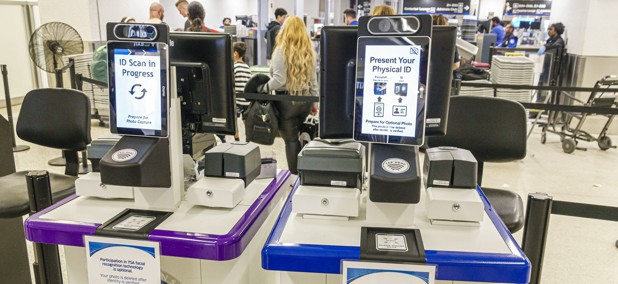
TSA’s facial recognition tech is highly accurate, review says
A DHS analysis found that self-identified Black volunteers who participated in testing of TSA’s biometric tools had the lowest face matching success rate of any demographic group, with an overall accuracy of 98%.
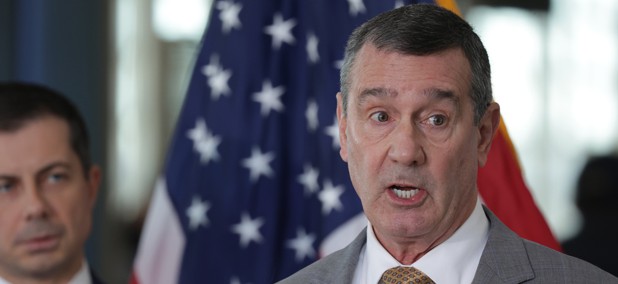
TSA head who oversaw pipeline cyber rules pushed out by Trump
The TSA under David Pekoske oversaw sweeping pipeline and rail cybersecurity directives as part of a broader Biden-era push to bolster U.S. cyber posture. It’s unclear why he was asked to leave.
Lawmakers call for a review of TSA’s biometric and AI use
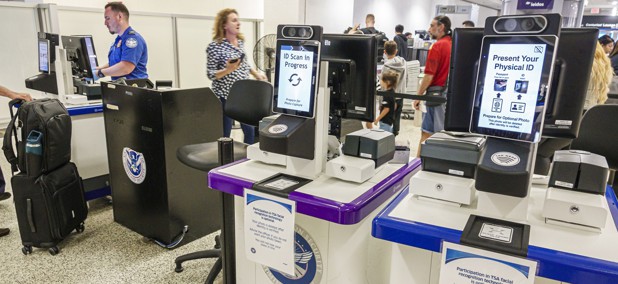
Members of the House Homeland Security Committee are asking GAO to investigate the benefits and potential harms of TSA’s usage of artificial intelligence and biometrics.
Senators call for watchdog to investigate TSA’s use of facial recognition
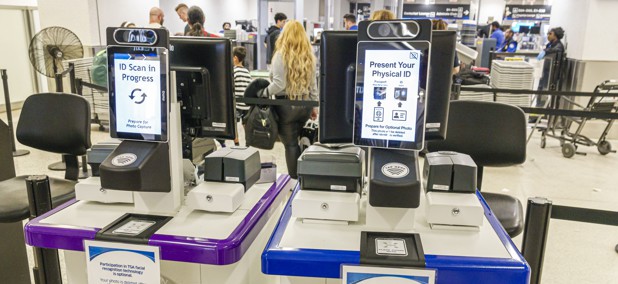
In a letter to the Department of Homeland Security’s Inspector General, 12 senators warned that the deployment of facial biometrics at every U.S. airport could create “one of the largest federal surveillance databases overnight without authorization from Congress.”
New TSA cyber rules leave lawmakers, industry hopeful for happy medium regulations
The agency argues its Nov. 8 proposed rulemaking will dually address the transportation industry’s regulation concerns while ensuring they’re suitably protected from hackers. Others want to wait and see.
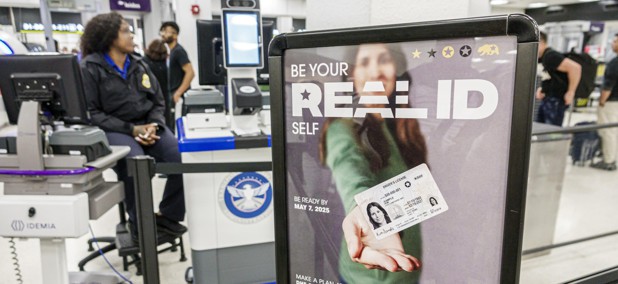
TSA proposes softer rollout of Real ID enforcement
Federal agencies would have the option to gradually require the secure documents after May 7, in part to avoid chaos at state DMVs when the deadline approaches.
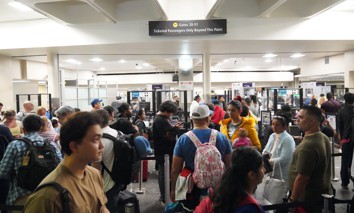
Diverting TSA funds harms deployment of new tech, lawmakers warn
A bill to keep all 9/11 security fee collections at TSA would help the agency more quickly deploy facial recognition capabilities, but its supporters say privacy still needs to be prioritized.
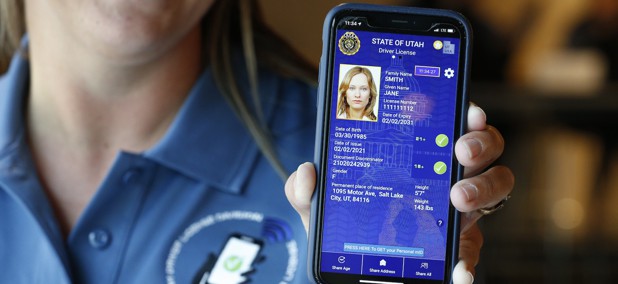
House panel advances bill to study TSA’s embrace of digital IDs
Travelers from nine states can now use mobile driver’s licenses to verify their identities at 27 U.S. airports.
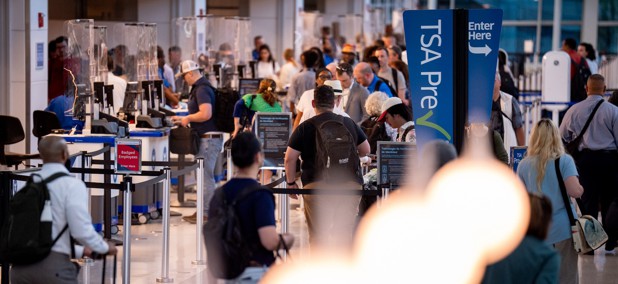
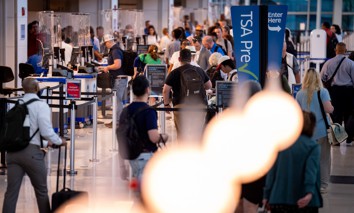
Lawmakers look to restore TSA funding to speed screening tech deployment
The measure is one of three bipartisan proposals rolled out this week that seek to bolster funding for TSA’s deployment of new technologies and to limit invasive pat-downs of travelers.

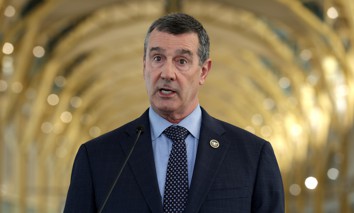
TSA’s biometrics deployment will take 25 years, unless lawmakers end fee diversion, agency head tells Congress
The Transportation Security Administration chief told lawmakers that it will take until 2049 to deploy facial recognition technology at U.S. airports if significant revenue from the 9/11 security fee continues to be diverted away from the agency.
TSA is looking at using AI to improve security screening processes
Following the Department of Homeland Security's guidance, TSA is looking at ways that it can use generative AI technologies to support its officers.
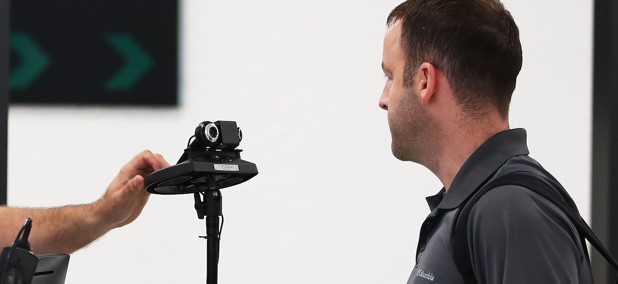
Lawmakers seek pause on TSA’s use of facial biometrics in FAA bill
A Senate amendment to the FAA reauthorization bill would pause additional rollout of the TSA’s facial recognition technology until Congress has reviewed the agency’s program.
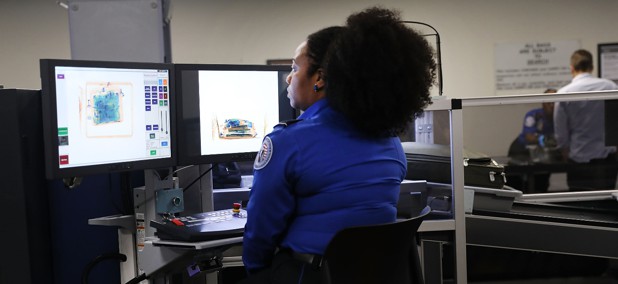
TSA looks to AI to enhance x-ray screenings of travelers’ luggage
The Transportation Security Administration is already using facial recognition to verify the identity of travelers but wants to improve its scanners to detect more prohibited items.
How TSA’s opt-outs for biometric screenings informed White House AI policy
The Office of Management and Budget’s recent guidance on the government’s responsible use of AI elevates TSA's practice of allowing travelers to decline biometric scans at airport security to national policy.
