State and Local


AI safety advocacy group launches new state-level effort
Americans for Responsible Innovation debuted the advocacy arm to bring responsible AI policy assistance to local lawmakers.

GSA and CMS continue Medicaid tech vendor collaboration, but its impact is likely limited, experts say
The partnership is part of the broader CMS effort to help states comply with Medicaid work requirements enacted by the One Big Beautiful Bill Act.
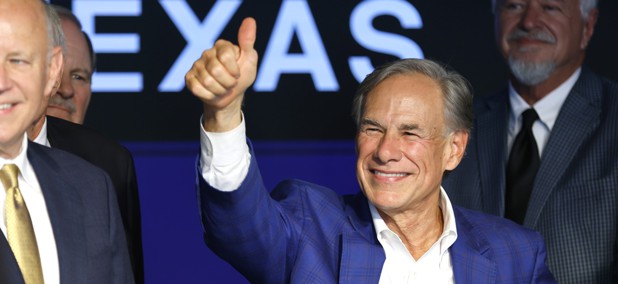
White House launches water cybersecurity pilot in Texas
Project Watershed 250 will stress-test utilities over six months and could serve as a model for protecting water providers nationwide.


CMS quietly moved a Medicaid technology project to a federal data hub as new eligibility requirements approach
Federal technology offerings promise to help states implement some parts of Medicaid work requirements kicking in on Jan. 1, 2027, but not all of them.
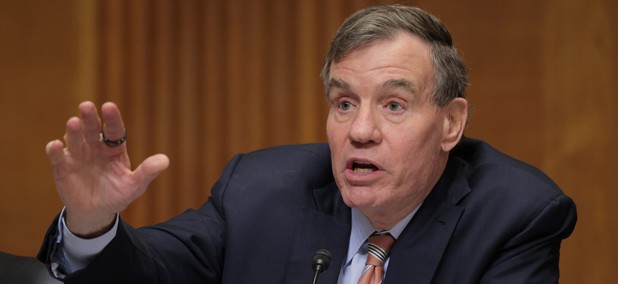
Warner unveils bill to restore cyber information-sharing program funding
The top Democrat on the Senate Intelligence Committee also sent letters to DHS Secretary Markwayne Mullin and to every governor urging them to support state and local cyberdefense.


Lawmakers propose AI framework that would preempt state laws for 3 years
A bipartisan House proposal looks to codify existing programs, set an all-hands-on-deck approach to AI governance and allow for the federal preemption of state AI laws for 3 years.
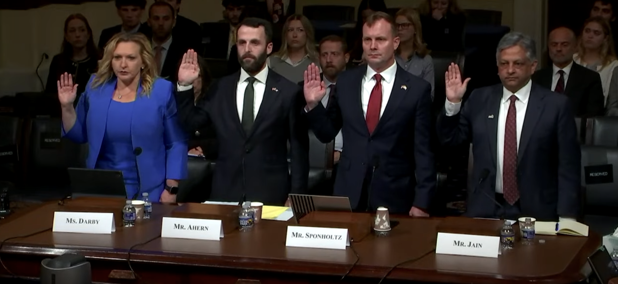
State leaders renew call for cyber grant program’s renewal
The State and Local Cybersecurity Grant Program is facing down a September deadline for reauthorization. Without it, officials warned that current efforts would lose momentum.


Advocates pledge action to restore digital equity grants
One year after President Donald Trump rescinded the funds, various groups and lawmakers have kicked off a month of action to push for their restoration.


Anthropic and nonprofit partner to streamline benefits administration with AI
Code for America is working with the AI company to build and pilot solutions that leverage Anthropic’s Claude chatbot to help benefit caseworkers improve service delivery.
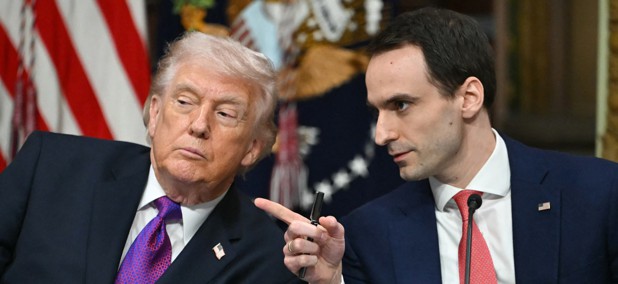
White House official advocates for a ‘give and take’ on state AI preemption
Office of Science and Technology Policy Director Michael Kratsios argued the administration’s AI policy framework allows states to regulate some things about the technology — like child safety and state government procurement — while ensuring a national standard.
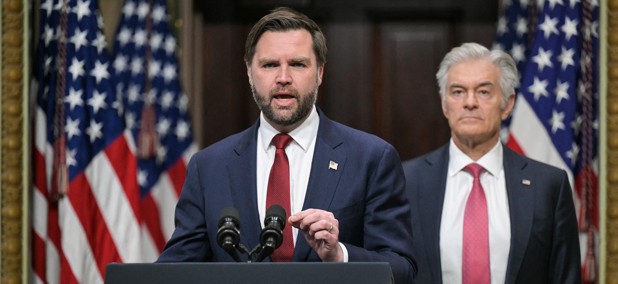
White House ‘war on fraud’ to begin with freezing Medicaid payments to Minnesota
Minnesota Governor Tim Walz called the move “retribution.”


Republican governor asserts states’ right to legislate AI
Utah Governor Spencer Cox acknowledged the logic to the Trump administration’s plan for U.S. AI dominance, but not at the expense of state laws ensuring safety.


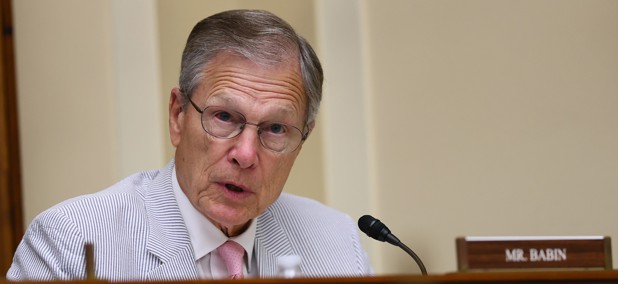
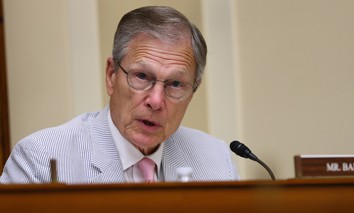
Republican lawmakers ask GAO to review current AI regulatory landscape
Leaders in the House Science, Space, and Technology Committee have asked the Government Accountability Office to examine the regulatory landscape at both the state and federal level.


Super Bowl gears up for massive security operation
While immigration officials will reportedly not be present at the San Francisco game this weekend, a raft of federal, state and local agencies will be on site to keep the event safe from various threats.
AI moratorium was never a ‘long-term solution,’ lawmaker says
Rep. Jay Obernolte, R-Calif., explained that Congress is angling to design a nationwide AI framework that works with state law while offering common guardrails.
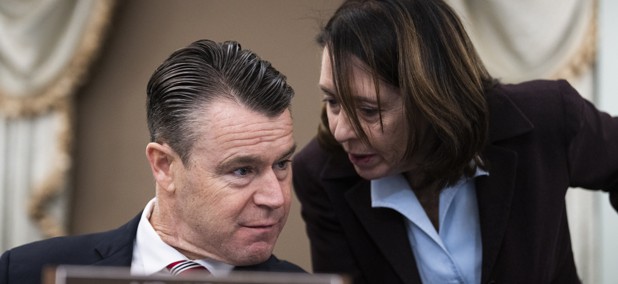
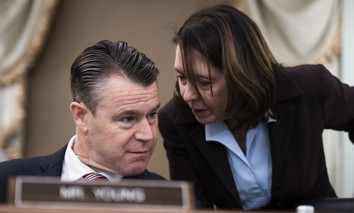
Bipartisan pair of senators acknowledge need for federal AI standard that accounts for state laws
Sens. Cantwell and Young sound off on the policy requirements the U.S. needs to strengthen its scientific enterprise to win the global AI race.
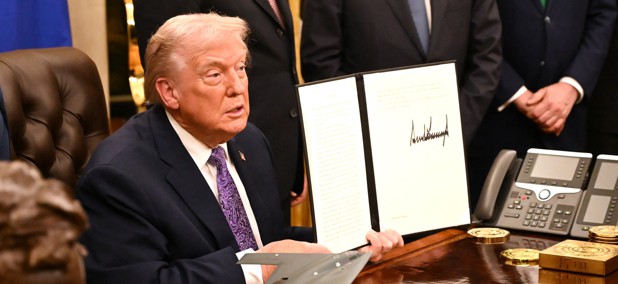

Trump signs order targeting ‘cumbersome’ state AI regulation
The order instructs certain federal agencies to identify which state laws undermine federal efforts to help the U.S. lead globally in AI.


Trump plans to sign order preempting state AI laws
Congressional efforts to legally place a 10-year moratorium on state artificial intelligence regulation have thus-far failed to garner enough support.

White House considers order to preempt state AI laws
A draft of a new executive order would withhold federal funding from states with artificial intelligence regulations that are deemed overly punitive or in violation of the First Amendment.


New Mexico unveils quantum telecom network
State officials have been positioning New Mexico as a leader in quantum sciences and technologies through private sector help and federal partnerships.
