National Labs


Genesis Mission kicks off with over 270 projects
Each project chosen by the Department of Energy focuses on advancing a critical scientific area with the help of artificial intelligence.
IBM, Oak Ridge and Cleveland Clinic unveil quantum-powered novel fusion energy research
A joint effort from IBM, Oak Ridge National Laboratory and the Cleveland Clinic offers new perspectives into the near-term scientific applications for quantum computing systems.


Energy expects Genesis Mission will double R&D productivity in coming decade
Department of Energy forecasts major scientific productivity and impact gains with the Genesis Mission, while also aiming to redefine artificial intelligence’s purpose.
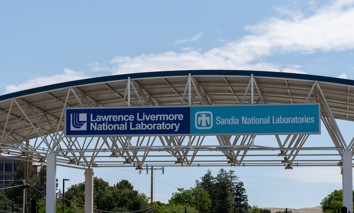
Lynx supercomputing cluster enters production at Lawrence Livermore
The lab welcomed the operational launch of its Lynx supercomputing cluster that will handle modeling and simulation efforts for the country’s nuclear stockpile.
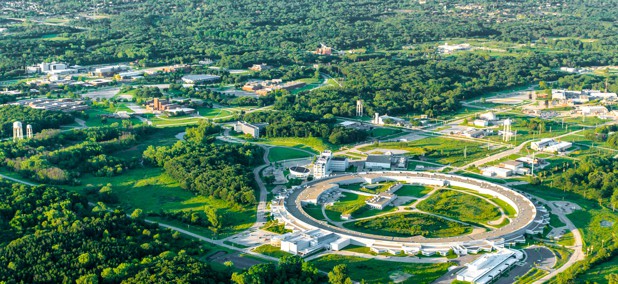
Argonne launches high-performance computing-backed AI research service
The new platform headquartered at Argonne National Laboratory grants Department of Energy researchers remote access to advanced AI models for scientific discovery.


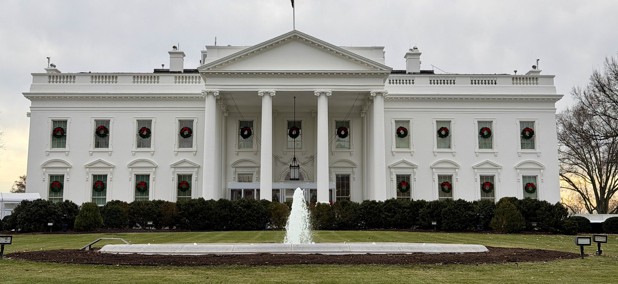
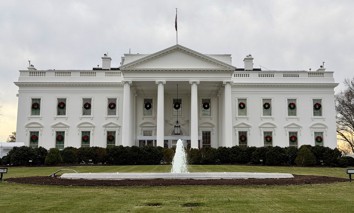
Inside the White House meeting on its AI Genesis Mission
Radical AI’s CEO, who participated in the meeting, said there was a goal-oriented, partnership-driven focus for Genesis Mission and the ways it can change how AI and science work together.


White House launches Genesis Mission to spur AI with federal assets
The Genesis Mission initiates a new artificial intelligence experimentation platform, linking agencies with federal data to spearhead advanced AI use cases and evaluate “experimental outcomes.”
Energy allocates $625M for national labs’ quantum research
Funding for research centers at five national laboratories is intended to support U.S. advancements in quantum information sciences and technology.
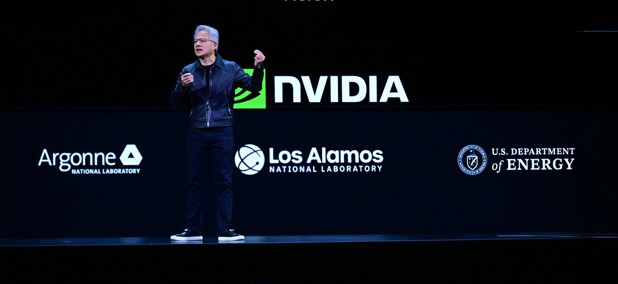
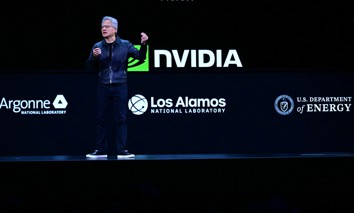
NVIDIA announces new quantum-integrated computing architecture
Company CEO Jensen Huang unveiled NVIDIA’s new hybrid computing architecture, NVQLink, on Tuesday, as well as the deployment of two new supercomputers at Argonne National Laboratory.

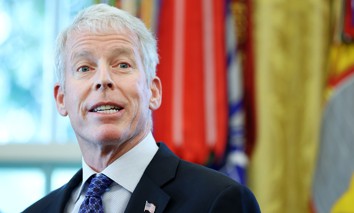
Energy announces roadmap for fusion science and technology
Energy Secretary Chris Wright discussed the plan to rapidly scale the U.S. fusion energy generation, highlighting the important role that the nation’s network of national labs will play in the effort.
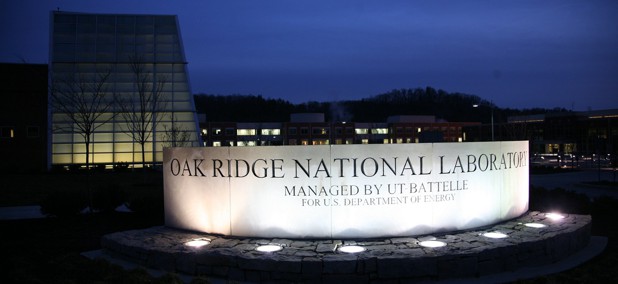
Oak Ridge announces new quantum computing installation
Oak Ridge National Laboratory and Quantum Brilliance are marrying quantum and classical systems to advance research in multiple domains.


How a national lab is using data and AI to try to speed up permitting
The work to get better environmental permitting data began under Biden and is continuing under Trump.


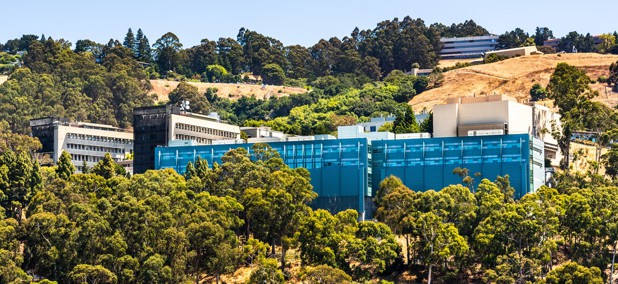
California lawmakers urge Trump admin to halt cuts to national labs
Sens. Adam Schiff and Alex Padilla, along with Rep. Zoe Lofgren, said budget cuts to national laboratories have already led to layoffs, with some other labs warning that “they may need to start laying off thousands of scientists and technical staff in the near future.”


AWS and Idaho National Lab to collaborate on AI for nuclear energy
Software from Amazon Web Services will help the Idaho National Laboratory research and scale modular nuclear reactors to help power data centers.
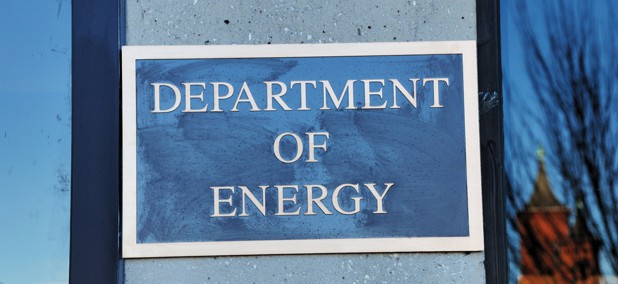
Energy announces first 4 AI data center sites on federal lands
Four federal facilities have been selected to host new artificial intelligence-ready data centers, with help from private sector partners.

Idaho National Lab teams up with Microsoft to improve nuclear permitting reviews
The collaboration will enable the lab to use Microsoft’s Azure cloud and artificial AI tech to “streamline and accelerate the review process” for required reports from reactor developers.


Anthropic’s Claude for Enterprise expands deployment at Lawrence Livermore
Lawrence Livermore National Lab will be able to use Claude to wrangle large datasets, generate scientific hypotheses and more.
Public-private partnerships need more ‘efficiency,’ Energy official says
The agency’s national labs can offer high performance computing capabilities for artificial intelligence innovation, several leaders noted, but it requires an expedited negotiation process.


Sandia labs to undertake $5B construction effort over next decade
Sandia National Laboratories is growing its physical infrastructure to help advance its core national security research efforts, notably radiation environment testing and power source capabilities.


National Labs have seen mixed impacts from Trump spending freeze
During a House hearing, four directors of different U.S. national laboratories offered insight into how federal funding interruptions have shaped their work.
