FAA
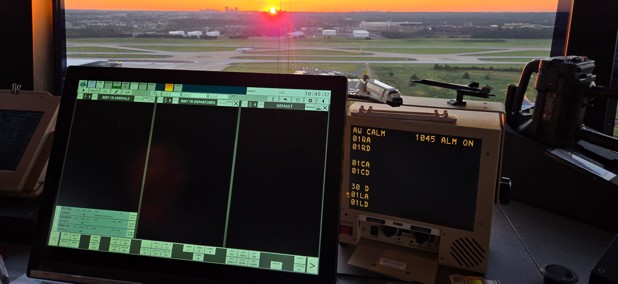
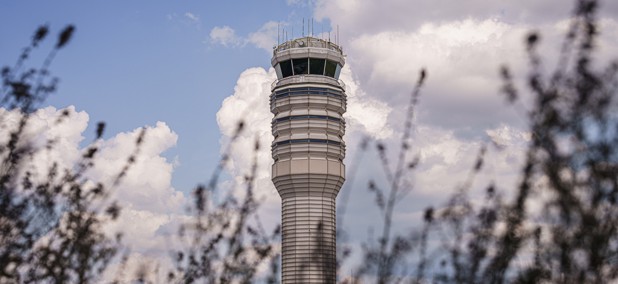
House Democrats seek watchdog review of AI-powered air traffic control systems
The inclusion of AI capabilities has “rightfully raised serious questions about its reliability and safety benefits,” House Transportation and Infrastructure Committee Democrats wrote in a letter to GAO.
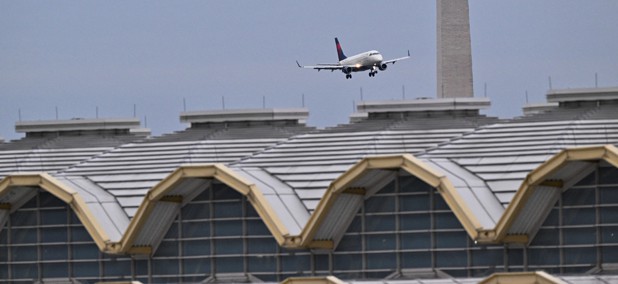
Transportation works to ease fears about new AI air traffic control tool
Rep. Don Beyer, D-Va., who has expressed skepticism about Transportation’s rollout of an AI-powered tool at D.C.-area airports, said he had “a good conversation” with FAA Administrator Bryan Bedford about the new capability that helped to alleviate some of his worries.
$30B more is needed for air traffic control modernization, Transportation secretary says
FAA Administrator Bryan Bedford also said during a news conference on Monday that the U.S. “could save over 20 years, conservatively, $300 billion” with an overhauled air traffic control system.
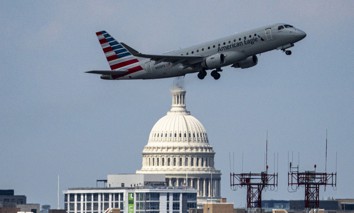
DC-area airports first to deploy AI tool for airspace management
The SMART tool uses AI to crunch 200 different streams of flight data “to predict traffic flows and identify potential conflicts before they occur,” according to the Federal Aviation Administration.
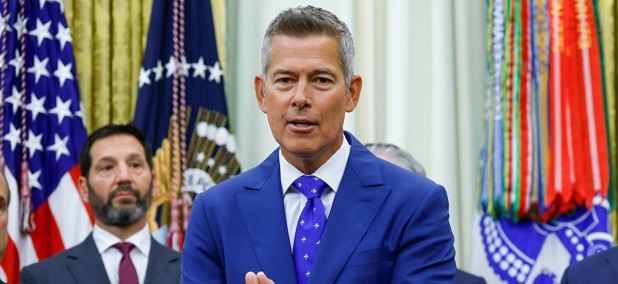
AI for air traffic control won’t be like concerning advanced models, Transportation head says
Transportation Secretary Sean Duffy drew a distinction between the advanced AI models that have raised alarms from some tech executives and the new capabilities being deployed to overhaul management of the nation’s airspace.


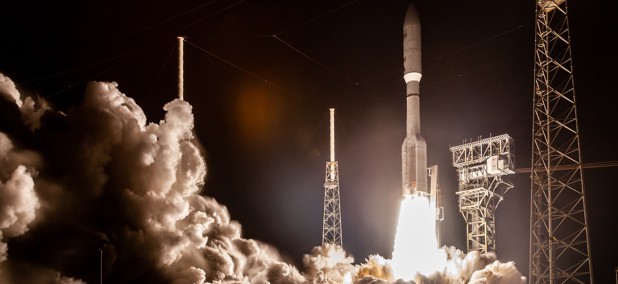
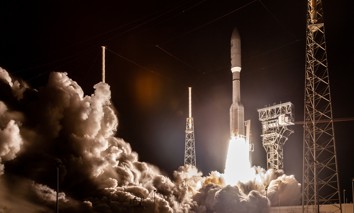
White House space transportation policy calls for integration with air traffic control modernization
The guidance directs the Transportation Department and other agencies to “implement a plan to integrate space launch and reentry management into airspace and traffic control modernization efforts.”

FAA brings in AT&T for network modernization program
The Federal Aviation Administration is developing a potential 15-year contract with AT&T to support the overhaul of the air traffic control system.


Transportation looks to AI to accelerate its modernization initiatives
Steven Bradbury, the agency’s deputy secretary, said AI has helped Transportation slash its software production timeline from 18 months down to 18 weeks.


FAA awards software and AI contract as part of air traffic control modernization
The agency’s contract with Air Space Intelligence includes deployment of a system that it says will serve as “the new technological backbone” of a modernized Air Traffic Control System Command Center.


Transportation celebrates air traffic control modernization, asks lawmakers for more funding
The government has been trying to modernize the U.S. national airspace system for decades, with little success. Trump’s Transportation Department secretary says this time is different.


FAA sets records in effort to hire gamers as air traffic controllers
The agency received over 12,000 applications in less than two days, making the effort “wildly successful,” according to Transportation Secretary Sean Duffy.
FAA launches competition to modernize aging IT portfolio
The Federal Aviation Administration is using a challenge-based acquisition strategy that will require vendors to demonstrate, not just describe, their approach.





Air traffic controllers calling out sick during shutdown may have acted illegally, FAA chief says
Agency will “ask tough questions” of those workers even as administrator concedes agency has “a retention issue” among controllers.


FAA starts the bidding for new air traffic control system contract
The eventual winner will have three-and-a-half years to implement the new system.


Nearly 40% of FAA air traffic control systems need urgent updates, GAO reports
Several systems, some which aid in navigation and communications, did not have modernization efforts in place, the GAO said.


GAO to unveil findings on outdated FAA tech systems
The congressional watchdog's forthcoming report will examine legacy air traffic control systems and the agency’s modernization efforts.


FAA proposes new cyber rules for airplanes and aviation equipment
The rules are designed to combat cybersecurity threats targeting aircraft, engines and networks aviation systems.


Bipartisan House bill seeks to reauthorize federal counter-drone authority
A proposal to extend the Department of Homeland Security and Department of Justice’s authority to mitigate threats from unmanned aircraft systems would also grant new counter-drone abilities to the FAA.


Senate passes FAA reauthorization without TSA biometrics amendment
A group of bipartisan senators hoped to use the must-pass measure to pause rollouts of the Transportation Security Administration’s facial recognition technology at new airports.

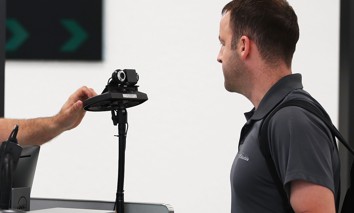
Lawmakers seek pause on TSA’s use of facial biometrics in FAA bill
A Senate amendment to the FAA reauthorization bill would pause additional rollout of the TSA’s facial recognition technology until Congress has reviewed the agency’s program.
