DARPA

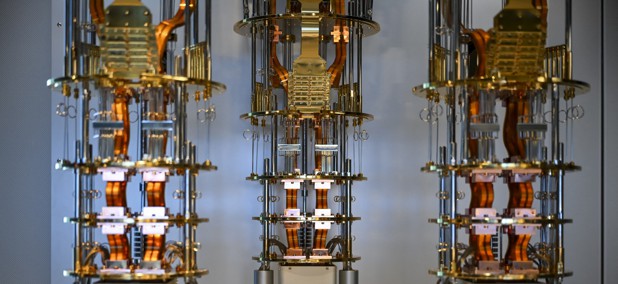
11 companies move to second stage of DARPA’s Quantum Benchmarking Initiative
The selected companies will undergo evaluation to determine if their concepts for a viable quantum computer can be constructed and work as intended.
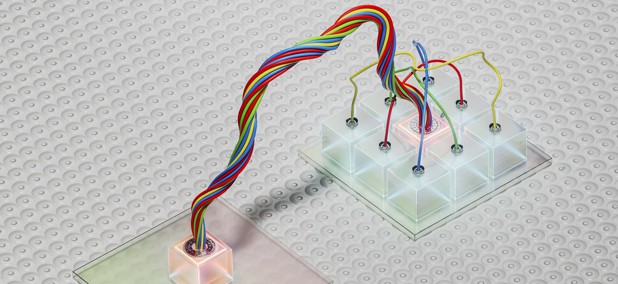
DARPA aims for interoperability between classic and quantum communication
Marrying quantum information technologies with modern networking infrastructure is part of the Defense Advanced Research Projects Agency’s plan for safer, faster digital networks.




Salt Typhoon hacks to influence final round of DARPA’s AI-cyber competition
This summer, seven teams will compete to craft a best-case model that uses AI to detect and fix open-source vulnerabilities in critical infrastructure. Recently discovered Chinese telecom hacks will help shape the final round, a top DARPA official said.


DARPA begins scaling a quantum computer with 15 companies
The Defense Advanced Research Projects Agency selected the inaugural cohort for its Quantum Benchmarking Initiative as federal researchers work to identify the best path for quantum computing.



DARPA taps Microsoft, PsiQuantum for scalable quantum computer research
As part of DARPA’s Quantum Benchmarking Initiative, the two companies are now in negotiations under the validation and co-design phase of the quantum computing program.


DARPA edges closer to using AI to expose cyber vulnerabilities
Next year, seven teams will compete to polish off a best-case model that meshes AI and cybersecurity to detect and fix open-source vulnerabilities in critical infrastructure.
DARPA hires Twitter whistleblower to serve as its CIO
Peiter “Mudge” Zatko — the former security head of then-Twitter who alleged that the platform was overlooking critical security flaws — will be returning to DARPA after almost a decade away in the private sector.
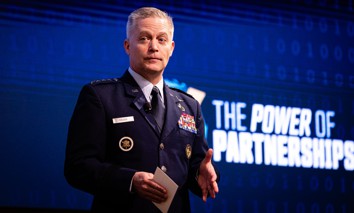
CYBERCOM, DARPA pen agreement to speed up advanced cyberwarfare research
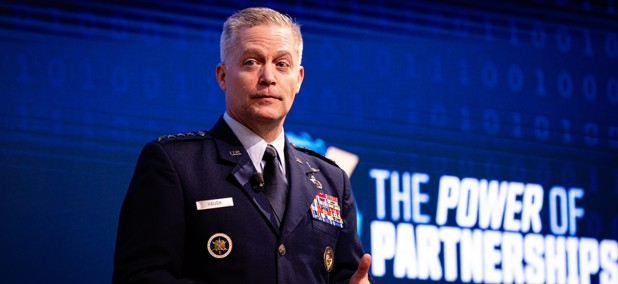
The accord follows a 2022 announcement of the joint-agency Constellation cyber prototyping program.
DARPA’s massive defensive AI challenge begins in December
The original announcement of the AIxCC challenge — and its millions in prize money — made waves at Black Hat 2023.


Inside DARPA’s search for an 'autonomous scientist' to support its researchers
The Defense Advanced Research Projects Agency is on the hunt for foundational AI models that can aid in the scientific discovery process.


White House and DARPA challenge innovators to bring AI tools to cyber defense
The AI Cyber Challenge asks leading companies to develop advanced AI systems that will contribute to critical infrastructure cybersecurity — with nearly $20 million available in prizes.


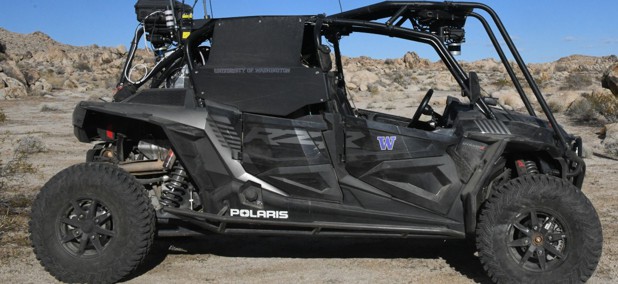
DARPA kicks off prep for $1B contract
Work is underway on the recompete of this technical services vehicle that supports research efforts.
DARPA's Pandemic Prevention Platform
When the COVID-19 pandemic hit in early 2020, DARPA's 10 years of funding research and development on DNA and RNA vaccines, including a $25 million award to Moderna to help establish its messenger RNA platform, proved critical.
Can JADC2 fly without budget reform?
Tim Grayson, the director of the Defense Advanced Research Projects Agency's Strategic Technology Office, said there's a risk that "monolithic platforms get replaced with monolithic architectures."
DARPA's new hardware proves tough to crack
The Defense Department's advanced research arm has early results from its effort to prove that re-engineering hardware makes for fewer cyber vulnerabilities.
Twin shared-spectrum efforts close in on milestones
Two trailblazing efforts backed by DARPA and the FCC to share radio spectrum among federal and commercial users will hit significant milestones in the coming weeks.
The semantics of disinformation
DARPA thinks it can detect automated disinformation campaigns across a range of media by focusing on common machine-generated errors.
Can battlefield drones spot threats to troops?
Army Lt. Col. Philip Root, the acting deputy director for DARPA’s Tactical Technology Office, explains how the DOD plans to operationalize autonomous systems, forever changing the human-machine relationship.
Aviation automation climbs new heights with ALIAS
The Aircrew Labor In-Cockpit Automation System is expected to complete its first fly-by-wire experiment as early as May.
