Artificial Intelligence
Energy debuts new Genesis Mission, quantum computing initiatives
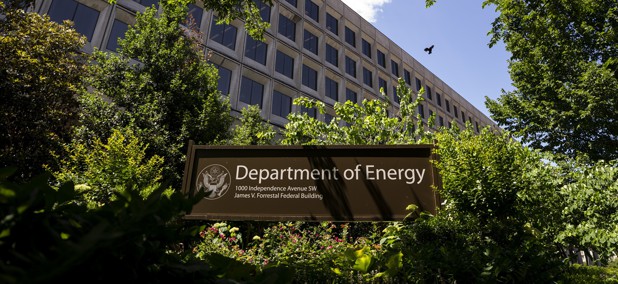
The department announced $159 million in new phase II Genesis Mission project awards, $96 million for early-career researchers and a new graduate fellowship program, along with an effort to advance the development of fault-tolerant quantum computers.


TMF invests $83.4M in 4 AI-enabled projects
One project will replace a legacy payroll system serving roughly a third of the federal workforce with an AI-enabled cloud platform.
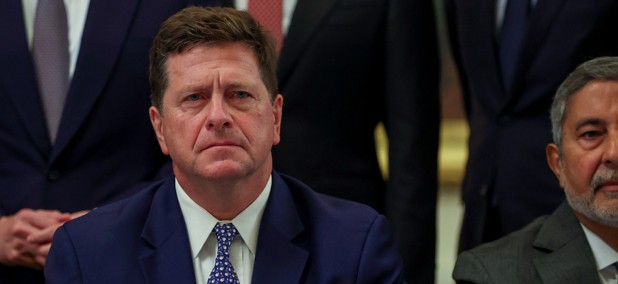
Spy chief Jay Clayton takes on White House’s AI portfolio
A new task force led by the director of national intelligence will have 120 days to analyze and report on AI’s risks and opportunities, amid growing global calls for AI safety measures.
Sponsor Content

How Inter-Annotator Agreement Drives Confidence in Federal AI
With IAA, Agencies Can Measure and Monitor AI Capabilities


GSA memo to set AI-specific acquisition rules
The language includes changes some industry groups have requested through a public comment period and will go into effect Oct. 19.


Google extends Gemini OneGov deal into November
All three OneGov partnerships that were set to expire at the end of September are continuing under either an extension or a new agreement.
Sponsor Content
When Words Matter
How ‘transfer learning’ can supercharge natural language processing in government




White House launches AI-powered ‘America.gov’ digital front door
The president signed an executive order at the event requiring agencies to integrate many of their services with the new website.


CMS eyes new technologies to reduce improper payments and fraud
Technology could reduce documentation-related improper payments and detect fraud in real-time, an agency official said.


AI scanning tools found security gaps at rail operator and hospitals, Wiz says
Researchers discovered access to rail administration systems, a hospital alert channel and sensitive records in a new effort aimed at organizations with limited cyber resources.


GenAI.mil saw more than 2 million users in one week, top DOD official says
Defense Department Chief Digital and Artificial Intelligence Officer Cameron Stanley also said that “unilateral disarmament is the wrong approach” when it comes to calls for a slowdown in AI development.


Flock camera systems receive bipartisan scrutiny from senators
Sen. Josh Hawley, R-Mo., criticized makers of automatic license plate readers for relying on agency customers to self-police the systems for instances of wrongdoing.


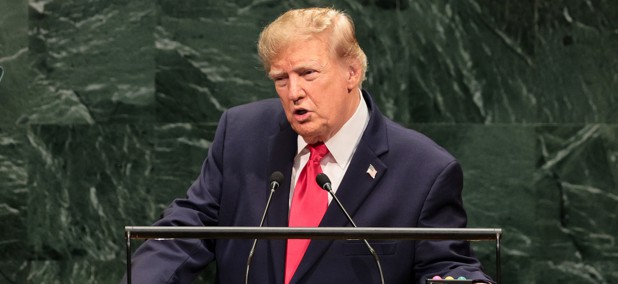
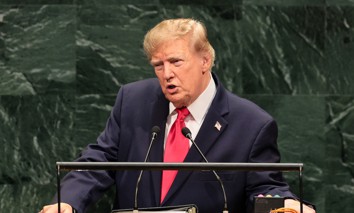
'Super Intelligence': the president’s new term for AI, explained
Trump is attempting to rebrand AI with an existing term of art.
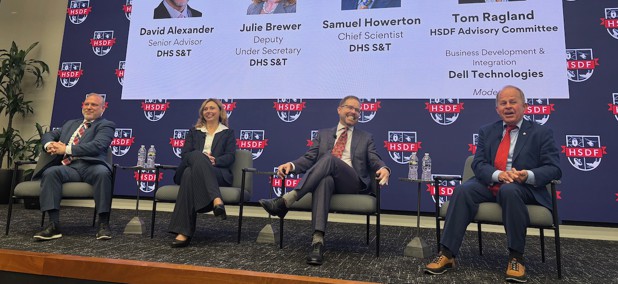

DHS exploring new biosurveillance capabilities as biological threats evolve, officials say
DHS Science and Technology Directorate officials said emerging technologies are forcing the agency to rethink how it detects biological agents.


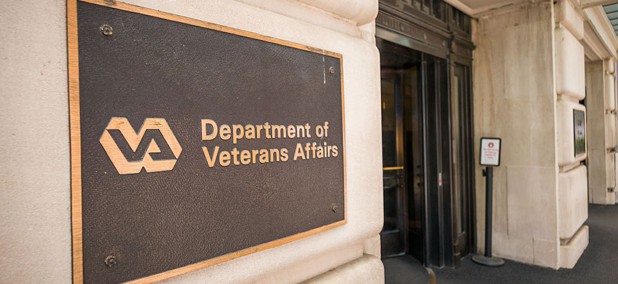
Abridge selected for VA ambient AI enterprise contract
The department plans to expand the technology to select outpatient care providers.
Do data centers need a ‘national strategy that puts communities first’?
The House passed a bill to mandate that state regulators have a strategy to have large consumers pay for their own power. But plenty of work lies ahead.
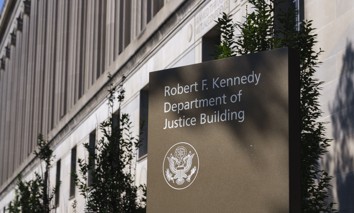
DOJ signals interest in piloting AI legal assistant
The pilot would assess whether AI can execute multi-step legal tasks without step-by-step attorney prompting.


Cyber recovery deters what no kill switch can stop
COMMENTARY | A kill switch is a last resort, not a control system or option to use daily.


Anthropic extends $1 per user OneGov deal by a month
The OneGov extension means discounted access to Google Gemini is the only deal under the program currently set to expire at the end of this month.


Salesforce expands Missionforce with new AI capabilities, OpenAI partnership
The company recently announced it will also bring NVIDIA Nemotron-based models and accelerated computing into Missionforce, an agentic platform for agencies.


AI agents are getting better at cybersecurity. That cuts both ways.
NIST is testing agentic AI to help enrich the National Vulnerability Database, even as increasingly capable models demonstrate why cyber autonomy needs careful containment.


NGA official assumes top AI role at Cyber Command
Ronzelle Green steps into the chief artificial intelligence officer role previously held by Reid Novotny, who worked to expand the combatant command’s embrace of new AI capabilities regardless of their origins.

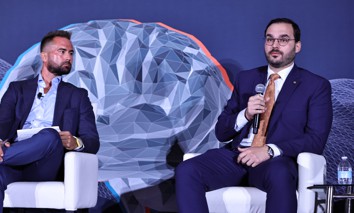
OPM to continue ChatGPT deployment following reupped OneGov deal
More than 70% of OPM employees are “active users” of at least one of the four large language models they have access to.
