
HHS issues seven nonconformity letters in crackdown on health data blocking
Kevin Carter/Getty Images




The Trump administration is seeking to give patients access to electronic health information through the enforcement of regulations and “troubleshooting call[s].”
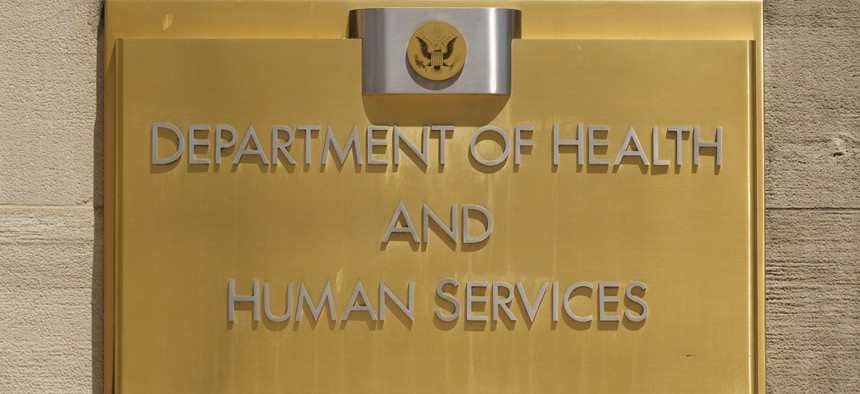
Santa Fe, N.M. — The Health and Human Services Department has issued seven letters of potential nonconformity to companies that may have illegally blocked access to health data, an agency official said.
The companies receiving letters have been able to remediate allegations of restricted data access and “for the most part, folks have said, ‘you know what, you're right, we shouldn't have been doing this, and we're going to change our behavior,’” Thomas Keane, the national coordinator for health information technology, said Thursday at the ADAPT conference. He did not disclose which companies received the letters.
Still, the previously unreported number of letters of potential nonconformity is the Trump administration’s latest step to ensure health data moves. Last September, HHS said it would take an “active enforcement stance” against health care entities that illegally block patients, providers and other stakeholders from gaining access to information.
The 21st Century Cures Act, signed into law in late 2016, prohibits entities from engaging in that practice, which is known as “information blocking.” Later regulations from the first Trump and Biden administrations spelled out penalties for entities that are found to have committed information blocking, including a $1 million civil penalty per violation.
But the Trump administration has yet to announce concrete enforcement of information blocking rules. Keane told ADAPT attendees his office is working with the HHS Office of Inspector General, Justice Department and Federal Trade Commission to enforce the regulations.
At the same time, Keane said his office wants to work with health IT companies and other regulated entities in ensuring they understand information blocking rules and are willing to change data sharing practices.
“If not, we take an enforcement posture,” he said.
While HHS seeks to give patients access to their medical records through information blocking enforcement, the Centers for Medicare and Medicaid Services is holding “troubleshooting call[s]” to help patients get their data, agency Deputy Administrator and Administrator of the U.S. DOGE Service Amy Gleason said.
The calls, of which there have been two thus far, bring together patients, electronic health record companies and medical providers to figure out how to get health data flowing. CMS has gotten patient data to move from the two calls, Gleason said.