
Chip reader technology for SNAP is a worthy investment
Smith Collection / Gado / Contributor / Getty Images




COMMENTARY | SNAP card security should be considered as an investment in operational efficiency, dependable access to benefits and program integrity.
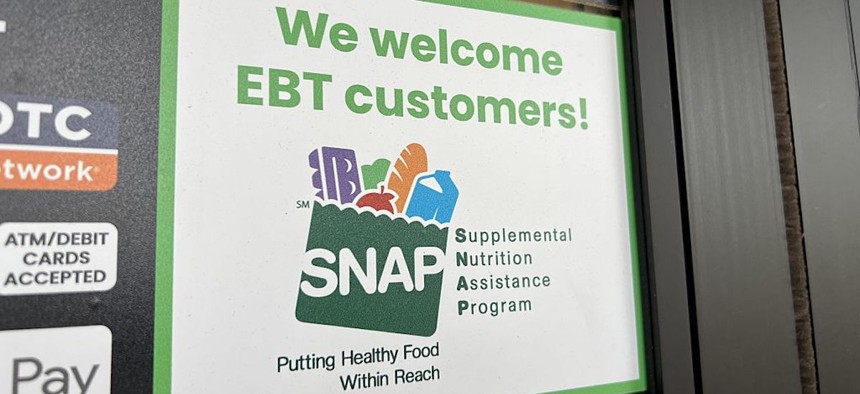
Many Americans rely on the Supplemental Nutrition Assistance Program (SNAP) as a lifeline in times of need. However, the current technology used to deliver SNAP payments remains vulnerable to forms of fraud that the commercial banking sector has confronted for years. The Advanced Technology Academic Research Center (ATARC) white paper titled Demonstrating ROI in SNAP Through the EBT Card / Chip Card Use Case, shows how the SNAP program can greatly benefit from implementing chip reader technology.
Many States rely on SNAP electronic benefit transfer cards using magnetic stripes. This technology makes it easy for fraudsters to steal data (skimming) or duplicate cards (cloning). When fraudsters can steal from SNAP accounts, the beneficiaries of these programs are directly affected. However, government agencies also incur additional costs related to replacing benefits, reissuing cards, answering calls, investigating the issue, and restoring public confidence. The ATARC white paper reports that every dollar stolen can generate $4.14 in total costs when these broader consequences are considered.
A more effective process for reducing the risk of fraud is available though chip-enabled cards. These cards generate a unique code for each transaction, making them substantially harder to clone than magnetic-stripe cards. For example, California’s experience offers a key point. According to the white paper, Monthly EBT theft in the state of California fell from $16.16 million in December 2024, to approximately $3.58 million in September 2025. This was a 78 percent decrease. Chip technology, along with other improvements, contributed to the decrease in SNAP related fraud.
The financial case for implementing chip reader technology extends beyond just thinking about SNAP benefits that are stolen. More strict card security measures are likely to reduce card replacements, demand for customer service, and costs associated with investigating fraud cases. As an added benefit, it can also improve transaction data which enables agencies to identify fraudulent activities more quickly and direct investigative resources towards the areas of greater risks.
Implementation of this technology does involve actual costs. States will need to replace card inventories, renegotiate contracts, and address systems that may not be ready for chip technology. In addition, added security measures may prevent eligible families from using their benefits and this could defeat the intended purpose of the SNAP program.
However, the implementation challenges call for a cautiously managed transition instead of continuing to rely on vulnerable technology. Pilot programs, targeted federal funding accessible alternatives, retailer assistance, and consistent performance measures can help States modernize their process without sacrificing service. Some of the outcomes that should be measured include reduction in theft, administrative workload, number of cards replaced, resolution times and disruption to appropriate beneficiaries.
Based on the white paper, it is important to evaluate if the modernization cost outweighs the cost of administering old technology that leads to increased fraud. SNAP card security should be considered as an investment in operational efficiency, dependable access to benefits and program integrity. The evidence gathered in the white paper supports moving from fragmented pilot programs towards coordinated and measurable adoption.
Eric Rivera is the Assistant Inspector General for Audits at the Export-Import Bank of the United States.
The opinions expressed in this article do not represent the position or views of the EXIM OIG.