
US lists offensive cyberattacks in counterterrorism strategy
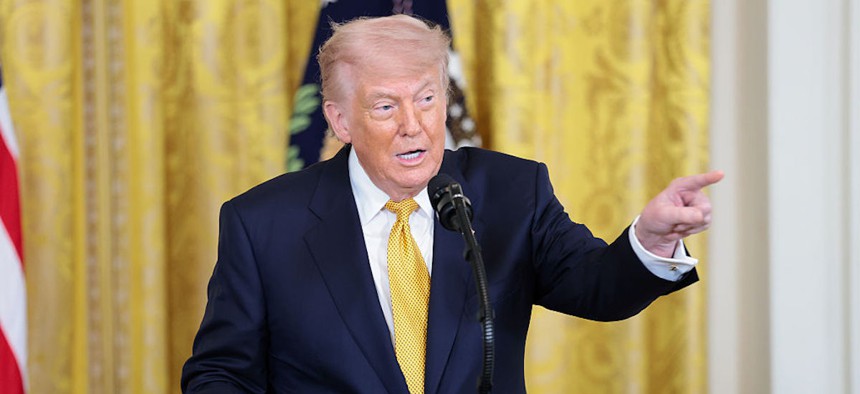
U.S. President Donald Trump speaks during a military mothers celebration in the East Room of the White House on May 6, 2026 in Washington, DC. Trump signed his new national counterterrorism strategy earlier in the day. Anna Moneymaker/Getty Images






The mention of offensive cyberattacks highlights the White House’s effort to deter foreign hackers and follows public acknowledgments of cyber operations tied to military activity.
Offensive cyber operations would be a part of a suite of counterterrorism responses aimed at groups deemed threats to U.S. interests, according to the Trump administration’s counterterrorism strategy that was released Wednesday.
Counter-terror activities against state actors “include offensive cyber operations against those planning to kill Americans or who support those plotting to do so,” the strategy reads.
The framework, more broadly, specifically lists narcoterrorists and transnational gangs, legacy Islamic terrorist groups and “violent left-wing extremists, including anarchists and anti-fascists” as the main entities threatening the nation.
Diplomatic, financial, cyber, and covert actions would be used to undermine or deter harmful state actors from assisting foreign terrorist organizations, the strategy says. Cyber operations would continue against Iran-backed proxy groups, it later adds.
The overt mention of offensive cyberattacks underscores the White House’s broader push to reshape foreign hackers’ behavior and follows several public acknowledgments of U.S. cyber warriors’ involvement in the administration’s military activities.
The specific nature of these offensive cyber operations is not described in the document.
The White House has helped shape a budding market for offensive cyber tools and capabilities, but executives and officials are grappling with legal questions over definitions of cyber offense and defense, as well as who would bear responsibility when private firms are involved in digital operations.