Cyber Defense
Congress returns to slew of cyber deadlines and unfinished AI safety bills
Cyber threat-sharing protections expire Dec. 11, while proposals to oversee advanced AI and strengthen a global vulnerability-tracking program await action.

Exclusive
CISA’s former Secure by Design chiefs launch their own software safety organization
Lauren Zabierek and Bob Lord helped persuade hundreds of companies to pledge to build safer products. Now they want to evolve that work further.
Industry groups urge Congress to renew cyber threat-sharing law through defense authorization
Banks, utilities and other industries want lawmakers to extend liability protections through 2035. A stopgap measure currently keeps them in place until Dec. 11.
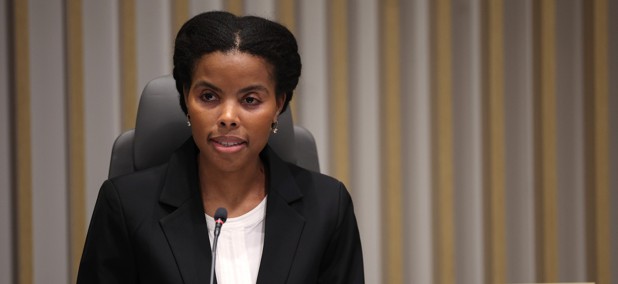

FCC commissioner hopes Cyber Trust Mark products reach shoppers within a year
Olivia Trusty is taking charge of the rollout as officials work through testing requirements and oversight for devices carrying the cybersecurity label.
White House takes Texas water cybersecurity model to rural hospitals
Project Lifeline 250 will provide free cybersecurity assistance to South Carolina hospitals, extending the administration’s effort to connect vulnerable infrastructure operators with industry support.



NIST issues roadmap for transition to post-quantum encryption standards
The report aims to help organizations take the standards already set out by NIST and create a plan for implementing them, in alignment with the Trump administration’s recent PQC executive order.

Russia targets Democrats and Ukraine supporters ahead of midterms, top intel lawmakers say
Sen. Mark Warner, D-Va., and Rep. Jim Himes, D-Conn., described Russian disinformation and more targeted Chinese influence efforts during a press roundtable, while reporting better access under intelligence chief Jay Clayton.


US moves to staff leaders for industry-partnered offensive cyber program
The Trump administration is laying groundwork to enlist companies against foreign cybercriminals, but payment arrangements and protections for participating firms remain unresolved.


FBI removes Accenture contractor after missed security patch led to breach
The bureau’s cyber chief blamed a contractor’s failure to apply an available fix for an intrusion that may have exposed sensitive employee information.

Senators propose voluntary telecom security framework after Salt Typhoon hacks
The bipartisan bill would establish cybersecurity best practices and independent certification, following the FCC’s rollback of safeguards adopted in response to the Chinese hacking campaign.
Cyber recovery deters what no kill switch can stop
COMMENTARY | A kill switch is a last resort, not a control system or option to use daily.
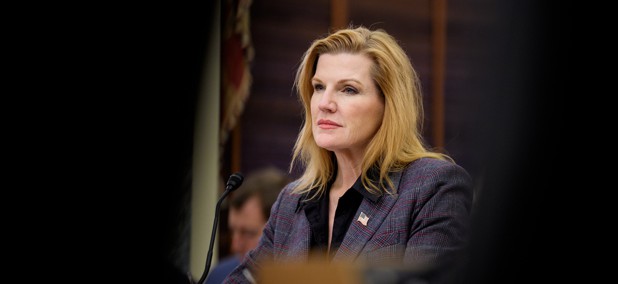
‘We have to throw technology at the cyber problem,’ Pentagon CIO says
Defense Department Chief Information Officer Kirsten Davies said the Pentagon has to focus on “leveraging the fantastically skilled people that we have in a much more effective way.”


New FBI cyber strategy seeks faster action against hackers, larger industry role
The bureau wants more frequent disruption operations and quicker warnings to victims as the Justice Department works through rules for expanded private sector participation in hacking cybercrime groups.
Microsoft brings AI vulnerability-hunting tool to government cloud
Select agencies and partners can preview MDASH, which uses teams of AI agents to find software flaws and test whether attackers could exploit them.
Stopgap funding bill temporarily extends key cyber info-sharing law
The short-term package pushes the sunset date for the bedrock cyber legislation to Dec. 11, in addition to setting extensions for the Technology Modernization Fund and National Cybersecurity Protection System.
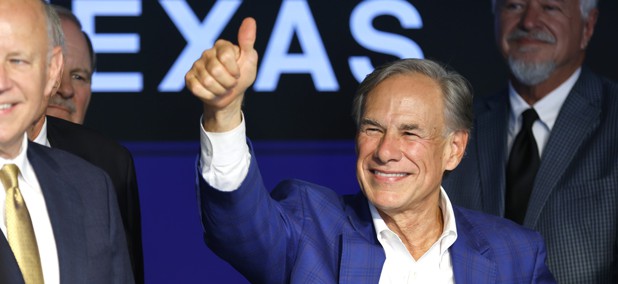
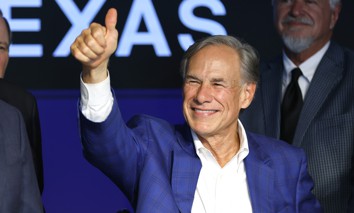
White House launches water cybersecurity pilot in Texas
Project Watershed 250 will stress-test utilities over six months and could serve as a model for protecting water providers nationwide.


Trump admin empowers private US firms to go after transnational cybercriminals
“By partnering with vetted United States companies subject to the direction and oversight of the Federal Government, we will enhance our ability to counter [transnational criminal organizations’] threats and combat transnational cybercrime, fraud, and other predatory schemes against American citizens,” the memo said.


Federal systems increasingly likely to face accidental AI breach after Hugging Face, experts say
Former officials and security experts say aged systems, contractors and agency AI adoption could open similar paths into government networks.
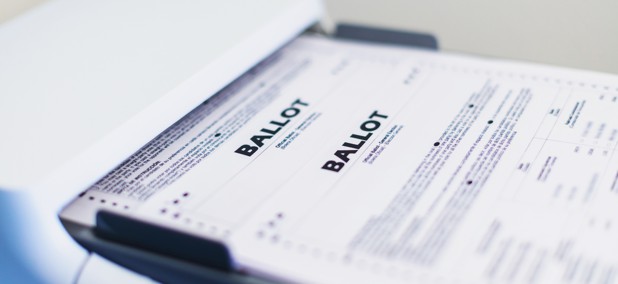
Voting machine researchers say federal work abruptly ended after Trump ally pushed back on their findings
Mojave Research executives said at DEF CON that the government had been preparing to expand the company’s election security work, and linked Trump adviser Kurt Olsen to pressure they faced after finding election system vulnerabilities but no evidence votes were altered.


Top cyber official wants US open-source AI adopted worldwide
National Cyber Director Sean Cairncross’s remarks come as the White House has excluded open-weight models from voluntary security testing and as new hacking incidents underscored risks posed by autonomous AI.
