An article in the CIA’s Studies in Intelligence journal argues that artificial intelligence may erode confidence in certain electronic communications and further revive centuries-old human intelligence techniques.
Cyber threats rise, budgets shrink—secure data smarter. Discover flexible, cost-effective strategies to boost compliance, visibility, and control. Download the guide.
This year’s celebration highlights how Americans can support federal missions not only through NASA research, but also by helping preserve the nation’s historical record.
“The full breadth of this incident is still unclear, but given the popularity of the compromised package, we expect it will have far reaching impacts,” a chief Google analyst said.
The move includes transitioning oversight of the agency’s chief technology officer, chief data officer and chief AI officer back to the Office of the Chief Information Officer.
Other government agencies are also moving away from paper checks. The Social Security Administration has warned claimants still receiving their benefits via paper checks that their benefits could be disrupted.
COMMENTARY | As the government expands continuous vetting and increases workload demands, questions are emerging about whether the acquisition approach can support the mission without delays or performance issues.
“We are pleased that the CISA personnel punished by previous DHS and CISA leadership for doing their jobs have been cleared of wrongdoing and invited back to work, as we demanded three months ago,” said a joint statement from Democratic Reps. Bennie Thompson and Eric Swalwell.
This week’s new bills aim to regulate multiple aspects of digital safety — such as child social media access, AI bias and environmental harm — while others update larger legislation to support emerging technology.
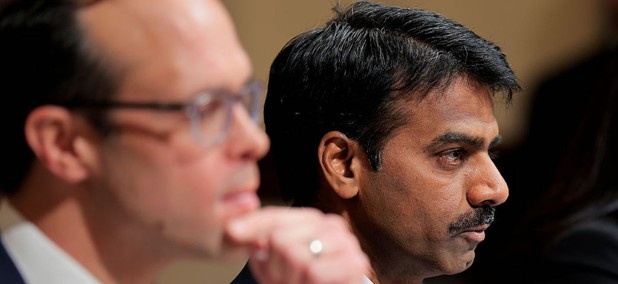
The Department of Justice alleges that John Windom accepted and sometimes demanded various gifts while helming the electronic health record modernization at Veterans Affairs.
Democrats from both chambers sent a letter questioning the impacts to the Director of National Intelligence as Congress faces a deadline to renew FISA Section 702, which allows warrantless collection of foreigners’ communications overseas.
Emergency order would cover airport screeners who have gone without full pay since mid-February but not other DHS employees, as lawmakers remain deadlocked on funding.
U.S. congressional staffers are also working on legislation to give CISA more oversight of the Common Vulnerabilities and Exposures program after a contracting incident last April.