Zero trust



Federal zero trust faces challenges with AI agents
COMMENTARY | There is no realistic path where federal agencies opt out of agentic AI.


Why compliance alone doesn’t make federal networks secure
COMMENTARY | Zero Trust is an ongoing operational discipline, not a project with a completion date.


Predictions 2026: Three ways government tech will surprise us this year
2026 looks like a year when government technology settles into its next phase of maturity.


Zero trust requires workforce buy-in, federal officials say
The Interior Department’s acting CISO, Louis Eichenbaum, said it’s important for agencies’ workforces to understand “the concepts of zero trust and how you incorporate it into your daily activities.”


Is AI the missing piece for government agencies to achieve zero trust security?
Here are three factors to consider.



CISA issues guide to help federal agencies set cybersecurity priorities
The guidance comes as federal civilian agencies are closing in on zero trust deadlines looming at the end of the current fiscal year.


Major agencies are close to meeting September zero trust deadline, federal CIO says
The deadline is linked to a sweeping 2021 cybersecurity executive order.


CISA issues guidance to help federal agencies better encrypt DNS traffic
The guidance is part of a broader effort to help the federal ecosystem meet a zero trust deadline this fall.


HHS seeks zero trust support
The highly federated agency is looking for contactor assistance to hit enterprisewide security goals.
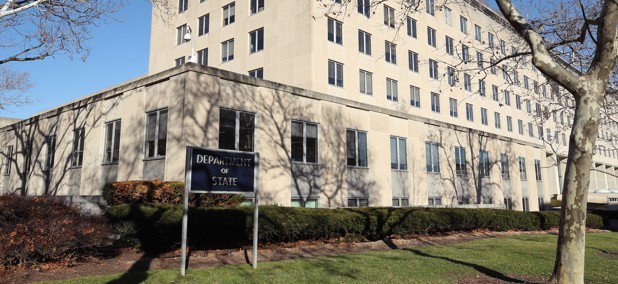

State’s cyber overhaul bets big on zero trust to tackle emerging threats
The State Department started at the “bottom of the barrel” when the White House’s 2021 cybersecurity executive order was released, according to the agency’s chief information security officer.


VA CIO says a zero trust ‘North Star’ is essential to secure veteran data
VA Chief Information Officer Kurt DelBene told Nextgov/FCW that the department “faces a unique challenge” in adopting zero trust because of the need to secure veterans’ personal information.


Enhanced cybersecurity a top reason for agencies embracing emerging tech, study says
General Dynamics Information Technology’s survey of 425 federal employees found that 65% of federal agencies were “moderately to extremely ready to embrace emerging technologies.”


The future of zero trust is about more than thwarting hackers, officials say
Defense Department officials noted that while progress has been made on deploying zero trust architecture on their networks, its capabilities don't stop with identity management.


How the TMF helps agencies pave the way toward zero trust
The Education Department chief information security credits the Technology Modernization Fund with providing the agency crucial support and fundamental resources to create a more secure architecture.


What It Will Take for NIST, CISA and OMB to Align on Zero Trust
Establishing a successful zero-trust architecture without implementing integrity monitoring is not possible.

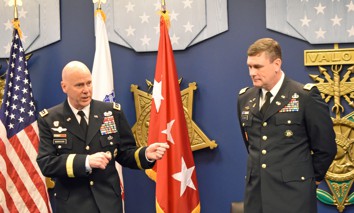
Army plans ICAM rethink to support unified network operations
To make mobile device use more secure, the Army is preparing a new identity and access requirements as it adopts zero trust security principles.
White House embeds cyber EO in FISMA reporting
Federal agencies will be reporting on zero-trust adoption and automation efforts in their annual cybersecurity reports to the Office of Management and Budget.
Military service principal cyber advisors take root
Congress established service level principal cyber advisors in the 2020 defense policy bill. FCW sat down with the Army and Navy PCAs to get a sense of what their priorities have been in the past year.
