Standards

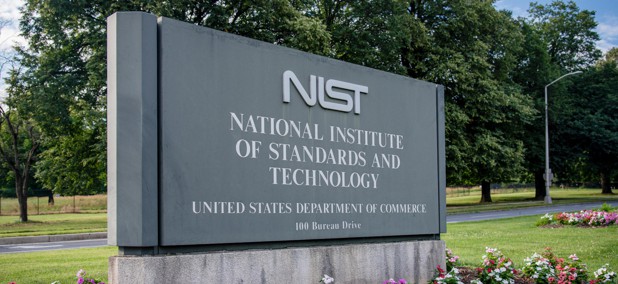
Why NIST is prioritizing creating a dictionary of AI development
An official from the National Institute of Standards and Technology explained the need for a consensus on language as a means of developing common standards for AI.
What we learned about accessibility by scanning more than 2 million federal .gov web pages
For government to effectively tackle the digital accessibility challenge, all agency stakeholders must become accessibility champions.
JEDI remains key to Pentagon's JADC2 dreams
The Defense Department has an official strategy for implementing Joint All Domain Command and Control, but it still needs an enterprise cloud capability to make it real.
JAIC focuses on warfighting capabilities
Now that it's up and running the Pentagon's Joint Artificial Intelligence Center wants to increase adoption throughout the department from warfighting and business operations.
Engineering hurdles to clear ahead of tech 're-shoring'
The Trump administration has national security concerns when it comes to foreign dominance in microelectronics, but research and engineering advances are needed as a precursor to new policy, a top official said.


U.S. imposes new restrictions on Huawei, semiconductor industry
The Department of Commerce is tightening rules targeting the Chinese telecom's supply chain around computer processing chips and restricting sales of chips made with U.S. technology.
Lawmakers seek red team testing of vulnerable grid networks
Senators want to craft authorities for federal agencies and private power infrastructure providers to allow more cybersecurity testing of energy grid network security.
Data exchange and cybersecurity
Ensuring different software systems can easily communicate and exchange data is as much about people and process as it is technology.
DOD wants prime contractors to be 'help desk' for new cybersecurity model
The Defense Department is pushing forward with its unified cybersecurity standard for contractors and wants large companies and industry associations to show startups and smaller firms the way.
House panel mulls new election tech specs
The House Science, Space and Technology Committee will mark up new legislation Nov. 14 that would mandate new research into voting machine cybersecurity vulnerabilities and update the way the government certifies such equipment.
Lawmaker pushes online verification to combat disinformation
Mandatory ID checks for social media platforms could help fight propaganda, but experts worry about privacy tradeoffs.
GSA's schedule merger to show changes next summer
Federal contracting officers will see biggest change from GSA's work to merge multiple purchasing schedules into a single one as the third phase closes in mid-2020.

With defense contractors in the crosshairs, NIST rolls out new cyber guidelines
Foreign countries are targeting and compromising U.S. contractors so frequently that the Department of Defense asked NIST to develop custom security guidance.
Tick tock: NARA's electronic records management deadline is approaching
While agencies have largely passed previous deadlines, this could be the most difficult mandate to date.
States, experts ask EAC for more flexibility in voting machine standards
There is concern in some quarters that the bureaucratic process outlined by the Election Assistance Commission may prevent voting machine standards from keeping up with the times.
NIST pushes new encryption protocols for quantum, connected devices
The National Institute of Standards and Technology is inching closer to developing two new encryption standards to protect the federal government from new and emerging cybersecurity threats.
States might miss new voting system specs for 2020
State election officials are supposed to be relying on updated voluntary federal security standards when purchasing new voting machines, but they may have to wait a long time.
Appeals court rules in tech standards case
A federal appeals court has overturned a decision that granted private industry organizations control over the use and publication of technical standards they developed after such standards have been incorporated into U.S. law.
IG: DHS still can't account for expired PIV cards
The Department of Homeland Security still lacks effective protocols to ensure old contractors don't retain access to their facilities and systems.
Bipartisan Senate bill would boost election security aid to states
The measure seeks to boost the level of federal support to state local officials in order to protect the nation's election infrastructure from foreign cyber interference.
