Regulations
White House official advocates for a ‘give and take’ on state AI preemption
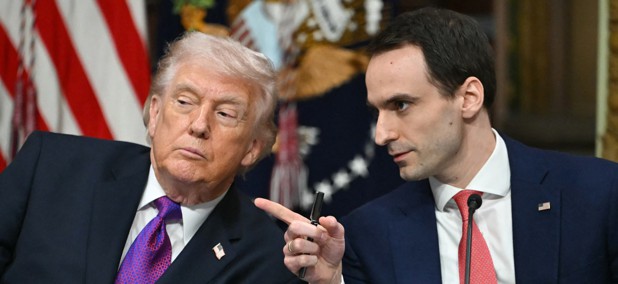
Office of Science and Technology Policy Director Michael Kratsios argued the administration’s AI policy framework allows states to regulate some things about the technology — like child safety and state government procurement — while ensuring a national standard.
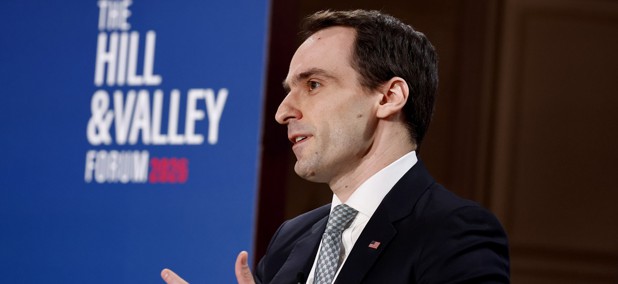
GOP policy leads highlight child safety as key step in national AI legislation
Legislators are still working through options for what that legislation will look like, including the possibility of reviving the proposed moratorium on state AI regulations.
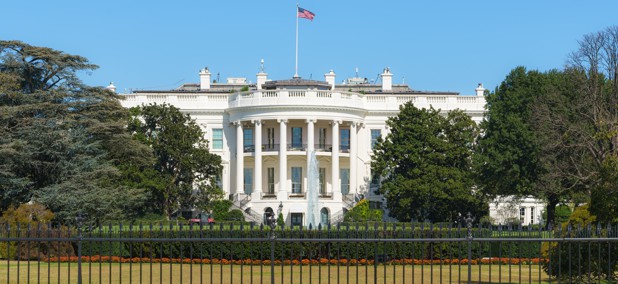
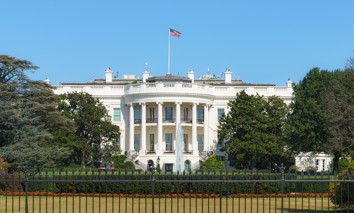
White House releases regulatory vision for AI
The framework includes seven AI policy recommendations for Congress that attempt to balance consumer protections with advancing AI development.


Robotics ethicist calls for stronger US guardrails as automation accelerates
Automation is advancing while the rules are not, the research lead for robotics, ethics and society at the Robotics and AI Institute warned.
Republican governor asserts states’ right to legislate AI
Utah Governor Spencer Cox acknowledged the logic to the Trump administration’s plan for U.S. AI dominance, but not at the expense of state laws ensuring safety.
Republican lawmakers ask GAO to review current AI regulatory landscape
Leaders in the House Science, Space, and Technology Committee have asked the Government Accountability Office to examine the regulatory landscape at both the state and federal level.


AI moratorium was never a ‘long-term solution,’ lawmaker says
Rep. Jay Obernolte, R-Calif., explained that Congress is angling to design a nationwide AI framework that works with state law while offering common guardrails.
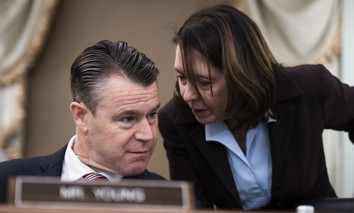
Bipartisan pair of senators acknowledge need for federal AI standard that accounts for state laws
Sens. Cantwell and Young sound off on the policy requirements the U.S. needs to strengthen its scientific enterprise to win the global AI race.


White House official, lawmaker call for amplifying US tech policy abroad
Sen. Ted Budd, R-N.C., and OSTP Director Michael Kratsios also advocated for a light-touch regulatory regime that has become a centerpiece of the Trump administration's tech approach.
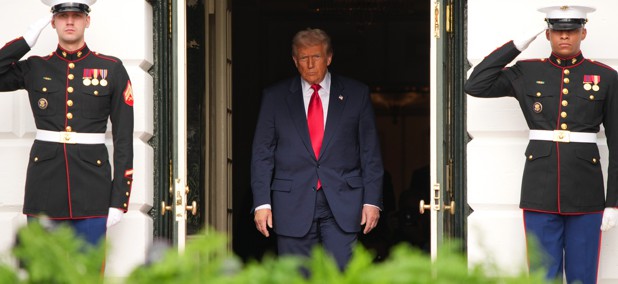

White House considers order to preempt state AI laws
A draft of a new executive order would withhold federal funding from states with artificial intelligence regulations that are deemed overly punitive or in violation of the First Amendment.
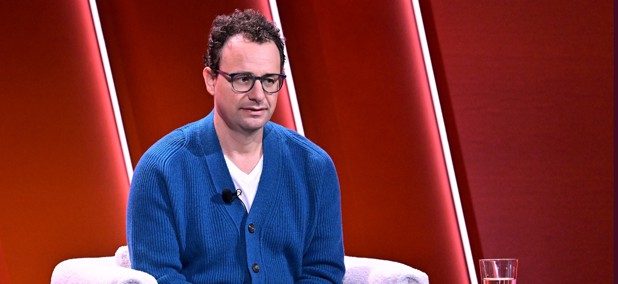
Anthropic CEO defends support for AI regulations, alignment with Trump policies
Following the White House AI and crypto czar’s critique of Anthropic’s regulatory perspective, the company’s CEO noted that it is committed to speaking honestly about AI’s risks and benefits.
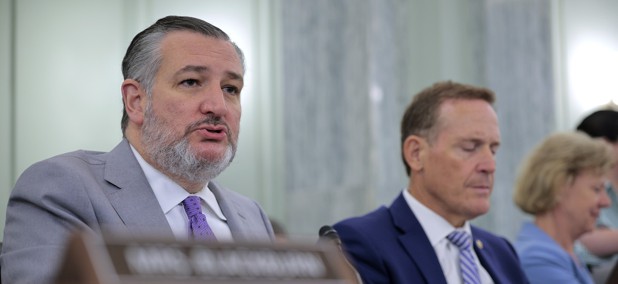
Cruz unveils new AI framework as blueprint for future legislation
Released in conjunction with the SANDBOX Act, Senator Ted Cruz’s new AI Policy Framework offers a new potential playbook for implementing artificial intelligence policy.
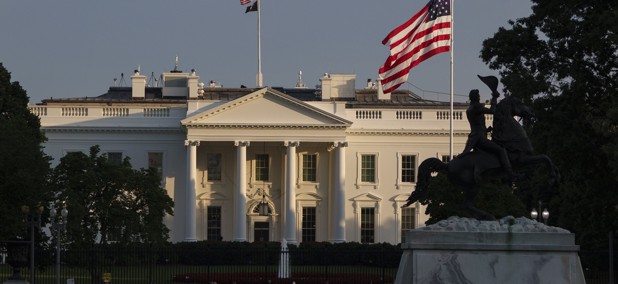
FAR Council releases changes to 6 sections of acquisition regulation
The White House celebrated the changes as a milestone in its effort to overhaul and simplify the rules surrounding federal buying.
Featured eBooks



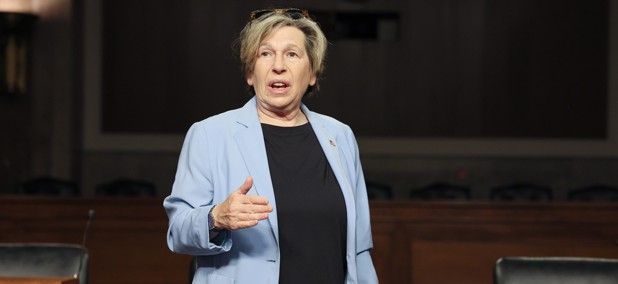
Teachers union looks to states and industry for AI regulation absent federal action
Having lost faith in the chance of broad federal regulation, teachers unions are betting on state legislators and private sector companies to safeguard AI in schools.
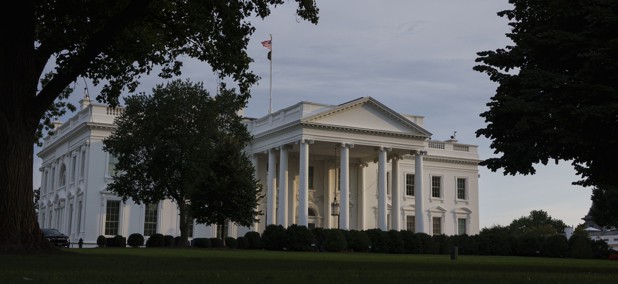
White House unveils AI action plan targeting regulation and ‘ideological bias’
The Trump administration’s goal is to make the U.S. a pro-AI innovation economy, relying on less bureaucratic barriers and open-source models to help win the global tech race.
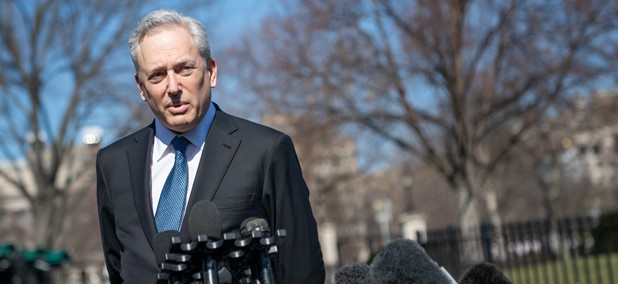
Trump’s AI and Crypto Czar touts AI policy that prioritizes U.S. proliferation and innovation
David Sacks called for removing regulatory red tape that is getting in the way of broader AI innovation and adoption.
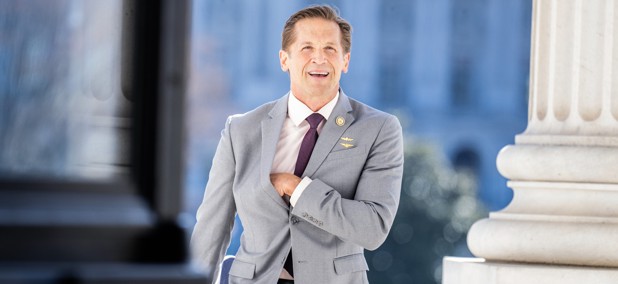
Proposed moratorium on state-level AI regs aims to level the playing field, lawmaker says
Georgia Rep. Rich McCormick, a GOP member of last Congress’ House AI Task Force, spoke on Wednesday night about the need to avoid a jumble of different rules of the road for AI developers.
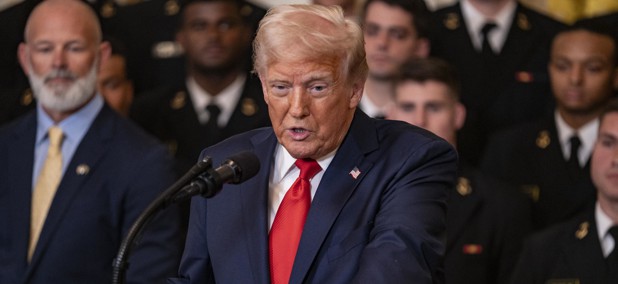
Trump builds on Biden efforts to modernize permitting technology
While many praised the effort as common-sense, workforce cuts across government, as well as the administration’s deregulatory efforts, have raised questions about implementation.
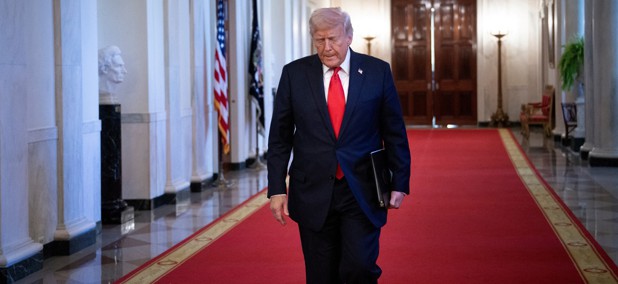
Trump orders major changes to rules covering $1T in federal spending
The Tuesday mandate — which aims to streamline the way government buys goods and services — was accompanied by a second order requiring agencies to predominantly use commercial products, rather than custom-built.
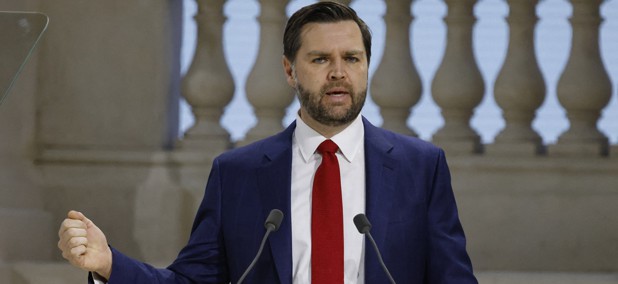
Vance calls for more open AI policy at Paris summit
Vice President JD Vance laid out the Trump administration’s priorities on artificial intelligence policy with an emphasis on unleashing American innovation via lighter-touch regulations.

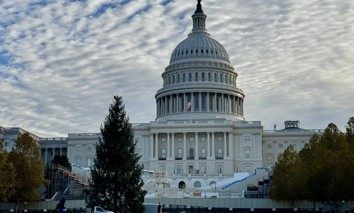
House AI Task Force recommends sector-specific regs in final report
The document aims to balance keeping the U.S. competitive in AI innovation and adoption while mitigating negative outcomes.
