


Digital Government
NIH Explores New Digital Health Solutions to Trace and Fight COVID-19
Two of the agency’s institutes seek new technical tools and data to inform re-entry risks.
Cybersecurity
Privacy report outlines scope, limitations of ICE facial recognition
According to a recently released privacy assessment, Immigration and Customs Enforcement systems are linked to a network of image databases across the country, and future trainings are being eyed to combat abuse and misuse.

Digital Government
FTC Housecleaning Highlights Health Data Rule that Could Be More Relevant During the Pandemic
The Federal Trade Commission is seeking comment on a decade-old rule that has never been enforced.


Digital Government
HHS Relaxes Data Security and Privacy Enforcement For COVID-19 Test Sites
The agency offered a list of suggested security measures but said it will not be imposing penalties in specific circumstances.
Ideas
What to Watch for in Federal Data Privacy Legislation
A draft of a federal data privacy and security bill takes into consideration leading practices for the states and those abroad.
Cybersecurity
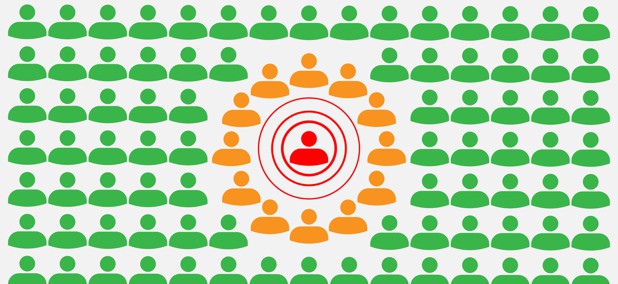
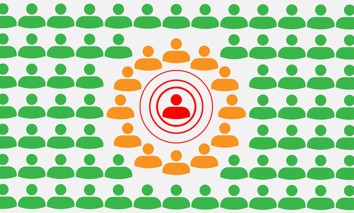
Government Absence Leaves Big Tech to Steer Privacy for Contact Tracing Apps
Agency CISOs will have to weigh the ramifications of apps that could combine health and location data of federal employees, a security professional said.
Artificial Intelligence
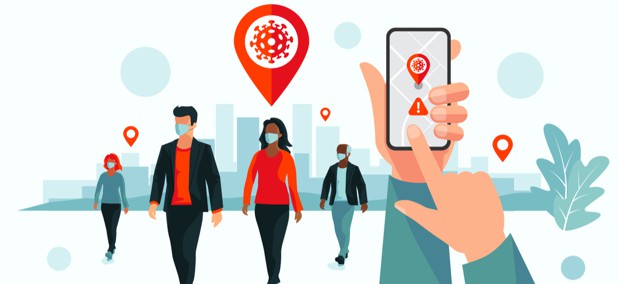
Senator Wants Details on Clearview AI’s Contact Tracing Pitches
Sen. Ed Markey wrote a letter to the controversial startup asking about its plans to use facial recognition technology to track patients during the COVID-19 pandemic.


Artificial Intelligence
Those Facebook 'Challenges' Can Expose You to Hackers
Games can often extract sensitive information about a person, such as their first job, their first car, or their mother’s maiden name.


Cybersecurity
Why We Adopt and Then Ditch Online Security Tips
“It can be challenging to follow through with a particular piece of advice, and sometimes experts conflict with each other in providing advice,” a researcher said.
Digital Government
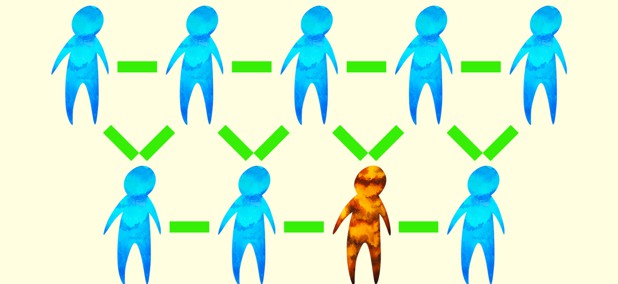
House Lawmakers Press HHS Secretary for Details on Contact Tracing Programs
States are turning to smartphone apps and other digital tools that could compromise privacy, the lawmakers wrote.


Emerging Tech
Privacy Options Don't Boost Trust in Voice Assistants
For some users, adjusting privacy and content settings could have an unfavorable effect, the new research shows.


Digital Government
Protect Patient Data During COVID-19 Outbreak, Federal Agencies Warn
The Defense Department, FBI and other agencies offer steps on how care facilities can secure personal health information.
Emerging Tech
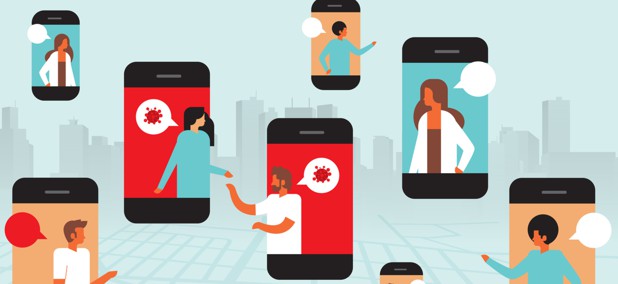
Survey: 4 in 5 Americans Worried Pandemic Will Encourage Government Surveillance
Many Americans oppose intrusive technologies even if they’re intended to assist in the government’s response to coronavirus.
Digital Government
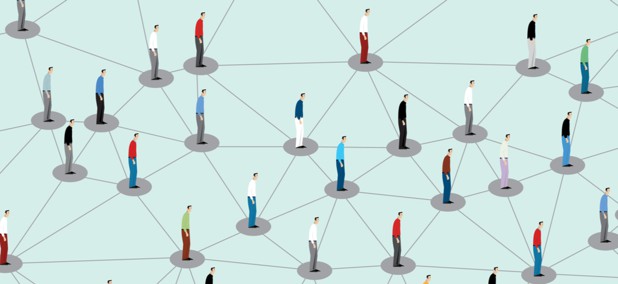
Using tech to combat the coronavirus
Steve Kelman reports on early efforts to leverage technology for better contact tracing.

Modernization
New App Uses QR Codes to Trace Coronavirus Exposure
A free, open-source smartphone app permits contact tracing for potential coronavirus infections while preserving privacy.
Digital Government
Agencies look to digital financial outlets to disburse relief funds
As IRS and the Small Business Administration tap digital-only financial firms to assist in relief funding, concerns are emerging about cybersecurity vulnerabilities and fraud.

Digital Government
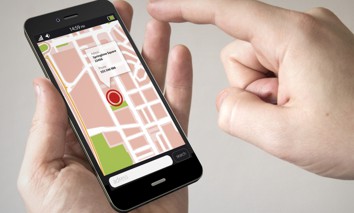
Congress Hears Options—And Concerns—for Using Smartphone Data to Fight COVID-19
Other countries have been using various forms of location and proximity tracing to slow the spread of the disease, with widely varying levels of privacy protections.
Cybersecurity
Navy CIO: Don't worry about shakeups at the top
The Navy CIO updated the workforce on telework practices, COVID-19 disclosures and what the change in service leadership means for the tech mission.


Digital Government
How Census Is Building a Citizenship Database Covering Everyone Living in the U.S.
By March 2021, the bureau plans to release anonymized statistics while keeping the raw data on individuals' citizenship status confidential.


Policy