NIST

NIST wants to outfit the National Vulnerability Database with AI
The National Institute of Standards and Technology is angling to modernize how it reports and responds to cyber vulnerabilities with the help of artificial intelligence.
NIST unveils new AI evaluation platform
The AI Technology Evaluation will provide exclusive data to grade models’ performance in select areas.


NIST AI safety center lead departs
Chris Fall was appointed to helm the Center for AI Standards and Innovation in April and has been at the Commerce Department since December 2025.


Moving beyond checklists to living digital identity risk management
COMMENTARY | The era of static checklists is over. The future belongs to living, adaptive digital identity programs.


From crime labs to space rocks, NIST helps identify mystery chemicals
An expanded federal library of chemical fingerprints helps scientists identify unknown substances found in forensic evidence, drugs, environmental samples and even material collected beyond Earth.



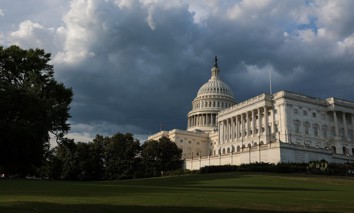
Lawmakers propose AI framework that would preempt state laws for 3 years
A bipartisan House proposal looks to codify existing programs, set an all-hands-on-deck approach to AI governance and allow for the federal preemption of state AI laws for 3 years.


How NIST’s torque tool could help keep air force jets flying
With roots in an unlikely Lego experiment from years ago, a new self-calibrating device developed with the Air Force and Snap-on could make torque calibration faster, more precise and easier to sustain.


NIST aims for summer release of AI cyber guidelines
Draft iterations of cybersecurity guidance for AI-driven threats across different types of emerging systems are in development as the federal government wades into AI model risk assessments.


NIST is giving fingerprint examiners better tools for a messy job
A newly annotated fingerprint dataset combined with open-source software could help forensic examiners work more consistently, train more effectively and sort through evidence faster.
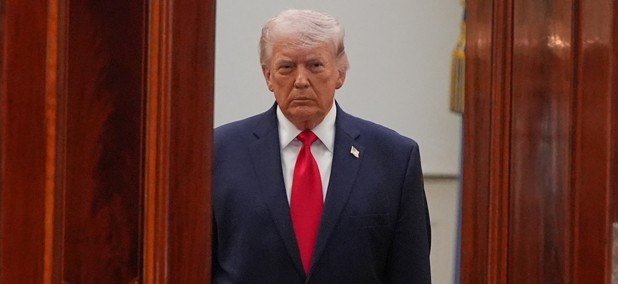

Trump’s FY27 budget proposes boosts and cuts to tech operations
Agencies like CISA, NIST and the IRS would see notable reductions in their budgets for next year, while programs at Energy and the VA would get additional financial support.
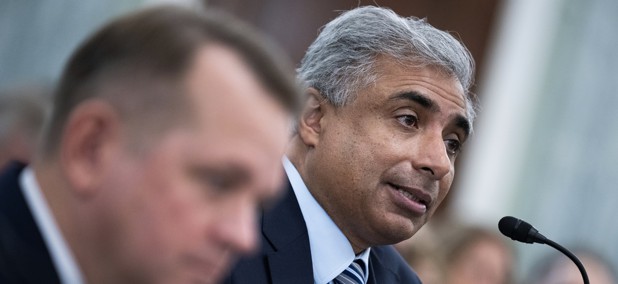
NIST director nominee commits to support AI standards-setting, manufacturing
Arvind Raman told lawmakers that it is “vitally important” that the U.S. lead in global standards-setting so that the country’s values are entrenched in AI development.


NIST releases a new draft cybersecurity framework for systems that never stop moving
Sometimes the most important cybersecurity work is not flashy.


Getting quantum tech from research to commercialization requires partnership, federal experts say
Federal experts working in quantum information sciences and technology mapped out commercialization paths for quantum technologies, specifically quantum computing, at a Thursday hearing.


Building quantum-safe foundations for federal data resilience
COMMENTARY | A data-first approach can help agencies avoid turning post-quantum cryptography adoption into a multi-year overhaul.


Is artificial intelligence a friend, foe or frenemy? NIST wants to find out
The standards agency will be hosting a working session to discuss how AI-empowered attacks can be used to sometimes get around traditional defenses.


A new lunar benchmark: NIST’s moonlight data brings satellites into focus
NIST is releasing the first set of what it’s calling the Moonlight Radiometric Reference Dataset, a trove of data so precise that it could change the way we see our own planet.


NIST releases final digital identity guidelines after years of drafts
The new guidelines remove mentions of equity that NIST had included in previous draft updates.


NIST uncorks the bottle on entire pancreatic cancer genome
The secret to the success of the program was an anonymous cancer patient who fully consented to making the genetic code of her cancer cells publicly available.


Government is making moves on mobile drivers licenses, GSA administrator says
Login.gov is planning on adding mDLs by March of next year.


NIST works to bring more everyday understanding to quantum science
The agency is celebrating 2025 being designated as the International Year of Quantum Science and Technology with an educational campaign.
