Data Centers
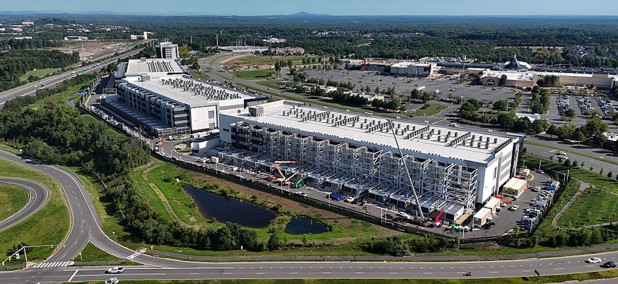
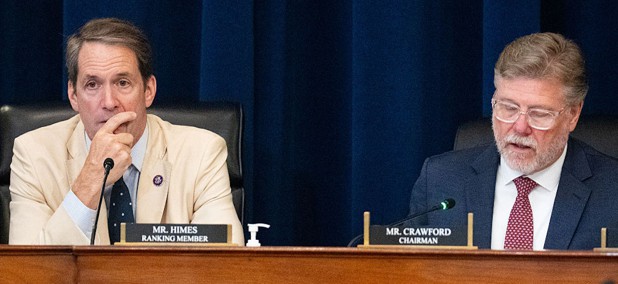
‘No question’ data centers will be considered critical infrastructure, top House intel Dem says
Rep. Jim Himes, D-Conn., said the AI-focused facilities are going to be even more critical than their traditional data center counterparts because “so much more functionality is going to rely on their health and existence.”
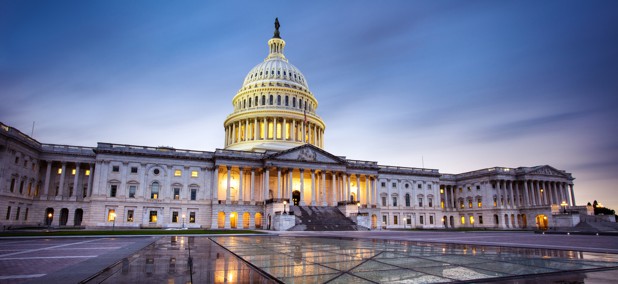
Do data centers need a ‘national strategy that puts communities first’?
The House passed a bill to mandate that state regulators have a strategy to have large consumers pay for their own power. But plenty of work lies ahead.


Trump memo pushes national security agencies to move faster on AI
The directive calls for deeper partnerships with AI companies while directing agencies to guard frontier models and the data centers that power them from foreign adversaries.


Lawmakers from both parties back data center permitting reform
Sen. Ted Budd, R-N.C., estimates the U.S. will need “about 85 gigawatts [more] a year in order to keep pace with our demand.”


Trump unveils Big Tech pledge to offset rising data center energy costs
President Donald Trump’s national address touched on the rising energy costs incurred by increasing AI use, in addition to reinforcing his administration’s imperative to tackle fraud in government programs.




How government leaders can balance the pros and cons of data center development
Policy and partnerships with tech companies can give state and local leaders a lever to ensure data centers are developed responsibly and sustainable, experts said during a recent webinar.
Energy announces first 4 AI data center sites on federal lands
Four federal facilities have been selected to host new artificial intelligence-ready data centers, with help from private sector partners.


Energy selects 16 sites for AI data center construction, new energy development
The Department of Energy identified 16 locations on its own land to build the new infrastructure.


OpenAI anticipates rapid data center scaling thanks to Trump
OpenAI Chief Product Officer Kevin Weil said the company’s AI offerings will benefit from the Trump administration’s tech policy and industry infrastructure projects.


OMB releases last-minute data center guidance
The memo stems from a law included in the 2024 National Defense Authorization Act.


Biden orders federal land to be leased for AI data center development
The executive action will leverage federally protected lands to develop data centers capable of supporting AI software, with a priority on incorporating clean energy sources.


Energy Dept. eyes hyperscalers as future leaders in carbon-free energy adoption
Leadership from the Department of Energy spoke on Wednesday about its ongoing discussions with leading data computing companies to continue grid decarbonization efforts amid artificial intelligence acceleration.

NDAA includes bill backing new data center standards
The measure would require the General Services Administration to set new resiliency, cybersecurity, availability and sustainability expectations for federal data centers.


Senators Reintroduce Bill to Bolster Federal Data Center Security
The bipartisan legislation seeks to protect federal data centers from physical and digital threats by establishing minimum requirements to enhance the security of these critical facilities.


Watchdog: Agencies are Close to Clearing All Data Center Recommendations
The Government Accountability Office found that agencies have implemented a majority of its recommendations to optimize data centers, but have 16 remaining that would boost savings.


AWS Touts Modular Data Center for Defense Department
The cloud giant’s latest offering is specifically for Defense Department customers through its new $9 billion cloud contract.


Postal Service Awards $70M Contract for Data Compliance Modernization
The Postal Service will modernize its data compliance and e-Discovery tools.


Senators Introduce Bill to Ensure Resiliency of Federal Data Centers
The proposal would establish baseline safeguards for cybersecurity and physical issues like natural disasters.


Preventing Wildfires Could Start With Data From Controlled Burns
Sage combines machine learning with data from edge sensors to provide on-the-spot detection, monitoring and analysis of a burning area.


Marines Look To A Future Where More Authority, Intel Moves to the Edge
Commandant sees empowered battlefield commanders, and new support roles further from the front lines.
