Contracts

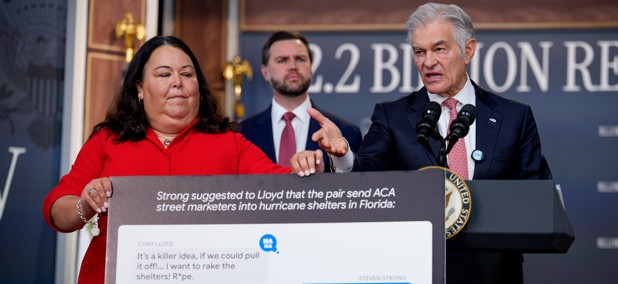

CMS pitches new contractor operating model for ‘detect and prevent’ fraud strategy
The proposal builds on the Trump administration’s multi-faceted effort to curtail fraud, waste and abuse in federal health programs.


Census Bureau partially sketches out timeline for $2.5B in digital transformation pacts
Two pacts for the Census Bureau Transformation & Application Modernization effort are nearly ready to go as the agency keeps working on the other pair.


Veterans Affairs previews timeline for enterprise AI services competition
A final solicitation for the potential three-year contract is just around the corner and will task the winner with rolling out artificial intelligence capabilities to 540,000 users.


DC-area airports first to deploy AI tool for airspace management
The SMART tool uses AI to crunch 200 different streams of flight data “to predict traffic flows and identify potential conflicts before they occur,” according to the Federal Aviation Administration.


FAR Overhaul targets commercial buying and negotiations in newest rewrite
Parts 12 and 15 have revisions ready for industry to read, while two other parts of the Federal Acquisition Regulation are deleted entirely in a push to increase competition.




DHS sets fast-track schedule for network, cloud and cyber consolidation vehicle
The Homeland Security Department is working against a compressed timeline to make awards for this contract to centralize IT operations at headquarters and across components.
‘We have to throw technology at the cyber problem,’ Pentagon CIO says
Defense Department Chief Information Officer Kirsten Davies said the Pentagon has to focus on “leveraging the fantastically skilled people that we have in a much more effective way.”

CMMC's Phase 2 suspension locked in with binding regulation
A new class deviation moves the pause on third-party assessments for this security standard from policy to an enforceable rule.


Pentagon unveils first of two solicitations for its next big cloud contract
The hyperscalers can now start working on proposals for their portion of the Joint Warfighter Cloud Capability recompete, while a second contract is in-the-works to cover everything else.


Former CISA employee pleads guilty to defrauding government with secret contractor jobs
Prosecutors say Richeline Fung secretly held contractor jobs tied to six agencies and claimed up to 33-hour workdays while working full time for the federal cyber agency.


Industry offers government a playbook for handling OneGov expirations
Some deals offering federal agencies significantly discounted access to software are set to expire at the end of the month.


Contractor may have used AI to falsify payment dispute financial documents, appeals board finds
A legal expert told Nextgov/FCW the possibility underscores how the federal government is “fully unprepared for how bad” AI-driven procurement fraud is going to get.




VA boosts EHR modernization contract with Oracle by $17B
The modified agreement raises the contract’s total value to just under $27 billion.


CISA contemplates whether to hire security software buying help
The Cybersecurity and Infrastructure Security Agency issued a sources sought notice that describes its desire to bring in a company that can help manage enterprise license and materials purchases.


FAA brings in AT&T for network modernization program
The Federal Aviation Administration is developing a potential 15-year contract with AT&T to support the overhaul of the air traffic control system.


Palantir’s no-bid pipeline just got bigger
A new $244M Pentagon memo skips the Federal Acquisition Regulation's process for sole-source justifications and urges agencies to find ways to work with the company.


DISA sets release date for follow-on cloud solicitation
The Defense Information Systems Agency is pushing to expand its $9 billion cloud vehicle beyond the big four hyperscalers.


DHS wraps up Oracle's Cumulus cloud contract
The Department of Homeland Security has two more hyperscaler awards to finalize before it can move ahead on a separate competition for this enterprise cloud program.

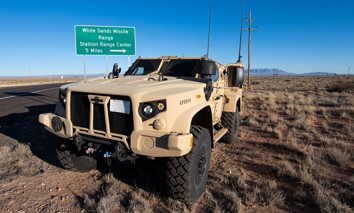
Contractor alleges Army inappropriately used AI to make $450M contract award
An industry lawyer anticipates more bid protests will likely allege that agencies misused AI in the procurement process but that could be hard to prove if agencies don’t report their use of AI as “high-impact.”


Acquisition overhaul is providing needed ‘discretion’ for tech adoption, procurement chief says
“If it's not in the FAR, and it doesn't tell you you can't do it, then you should consider it,” Office of Federal Procurement Policy Administrator Kevin Rhodes said.
