
The 2026 Federal 100



Meet the outstanding individuals being honored for their exceptional contributions to federal IT.
Once a year, Nextgov/FCW gets to present a set of awards dedicated to people in government, industry and academia who drove government innovation and achievement forward.
The Federal 100 awards focus on individual achievement in the IT community over the previous year. Those selected found ways to achieve efficiency through artificial intelligence, drive scientific advancement, streamline acquisitions and more — all during the tumult of a presidential transition year. They were selected for their passion for government service and commitment to doing more than their job titles asked of them in 2025. Our 100 winners include career civil servants, industry leaders, legislative staffers and thought leaders. Of those, our Eagle Award winners — one from industry and one from government — stand as the truest examples of achievement in federal IT.
This storied program has uplifted work on the cutting edge that would go on to become mainstays of government operations. The recipients have consistently pushed past bureaucracy, established best practices and remained committed to the mission, all in an environment that is often resistant to change. Their work is inspirational, and we are delighted to highlight their achievements.
We are proud to honor here our Federal 100 winners for 2026.
— The editors

Ron Ash
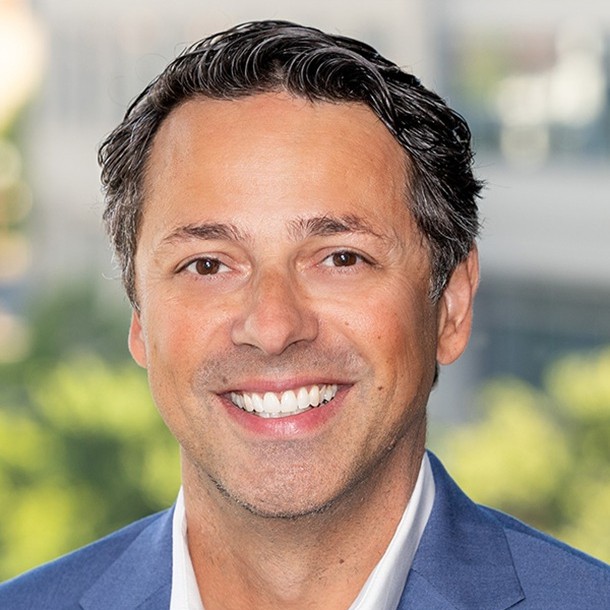
Federal agencies can't wait years for AI, and Ash answered that call. Since taking the federal services helm in 2024, he spearheaded Accenture's efforts in cross-government AI deployment, including helping to build critical shared resources as the sole system integrator at the Energy Department's Genesis Mission. Through Accenture’s innovation hub, The Forge, Ash fosters hands-on collaboration, so far hosting 325 clients from 50-plus agencies for real-world problem solving. Deploying new agentic AI tools — on which half of his 15,000-strong workforce trained in three months — will save 33,000 labor hours annually in automating help desk and security clearance processes alone. Now that blueprint can be replicated across agencies.
Scott Atchley

As CTO at Oak Ridge’s National Center for Computational Science and the Oak Ridge Leadership Computing Facility, Atchley is at the forefront of innovation in computing. He helped create and deliver Frontier, ORNL’s first exascale computing ecosystem that took over seven years and $1.8 billion to stand up. A leader in Oak Ridge’s Lux and Discovery supercomputer work, Atchley is helping to deliver massive computing power in support of the White House’s AI Action Plan. Throughout his tenure, his focus has been both precise and comprehensive in guiding the lab’s path forward in advanced computing and AI.
Srinivas "Srini" Attili

Treasury’s T-Cloud program demonstrates government-leading return on investment. It’s a feat that Attili and SAIC, the program’s cloud broker and integrator, helped Treasury achieve at the height of DOGE scrutiny. Specifically: a 46% cost reduction per unit of service and six to 18 months off timelines for product to market and going into production — dramatically streamlining agency access across AWS, IBM, Microsoft, Google and Oracle platforms. Attili also led a sensitive, complex negotiation with the air traffic controller instructors union to reach a new collective bargaining agreement that helped achieve the FAA ATC Academy’s highest throughput in a decade, training 1,800 students.
Alisa Bearfield

Three agencies. Three critical modernization challenges. Bearfield led all of them in 2025. She directed deployment of the FAA's modernized NOTAM platform, delivering real-time alerts to over 12,000 stakeholders and preventing major travel disruptions. At VA, she embedded automation and predictive analytics into financial systems, positioning the agency to scale AI across 200-plus initiatives to better serve veterans. In health care, her team improved enrollment and compliance for 56 million Medicare beneficiaries, ensuring accurate management of more than $51 billion in monthly payments. Altogether, Bearfield unified cross-sector teams to execute at an aspirational pace and scale.
Steven R. Brand
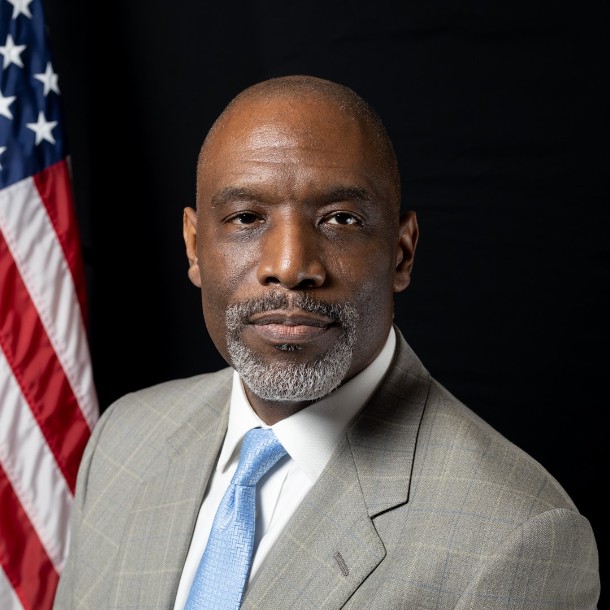
When Energy set out to modernize its $3.5 billion CIO Business Operations Support Services vehicle, it needed to preserve speed while increasing flexibility and competition. Brand designed and led a first-of-its-kind “dual quote” strategy within a single-award blanket purchase agreement. Contractor teams were aligned by technical specialty, enabling most requirements to move quickly to a designated provider. When complexity or risk warranted, however, Energy could request two proposals from the team. The result: stronger cost control and more flexible acquisition of IT and cybersecurity services supporting 270,000 end users.
Lesley Briante
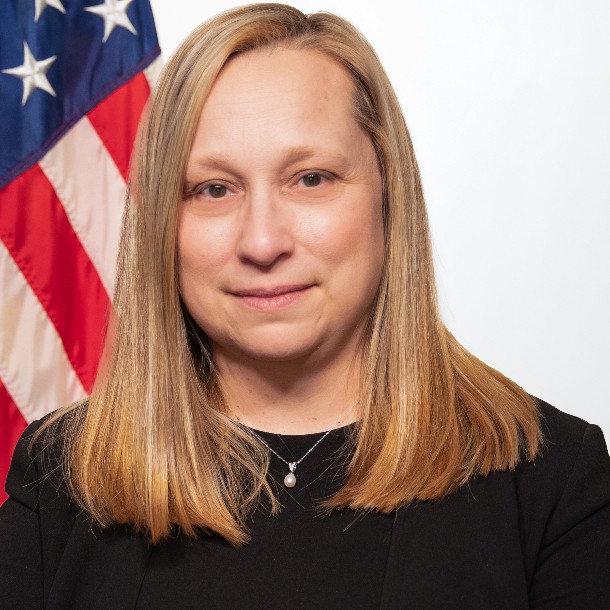
Briante delivered both discipline and support when GSA needed to tighten technology spending. She transformed GSA IT into an executive management engine, streamlining 83% of IT-managed policies to eliminate redundancies, incorporate plain language and build agility into the policy framework. She drove a 30% reduction in technology spend, improving software asset management in ways later recognized by OMB as a governmentwide best practice. However, she also focused on people. Briante supported Return to Office with weekly guidance and practical tech resources, while launching new e-learning and live training courses that reached more than 2,500 employees and earned a 97% satisfaction rate.
Jordan Burris
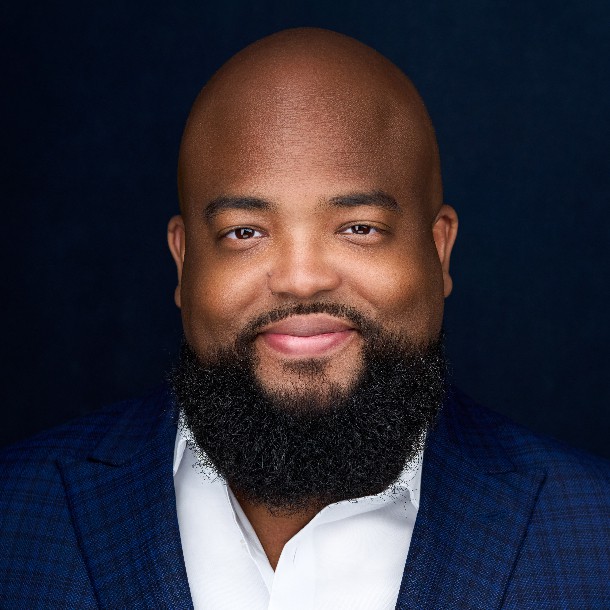
Fraud doesn't start at the audit stage — it starts at the front door. Burris spent 2025 making that case, then making better ways of prevention available. Under his leadership, federal, state and local agencies blocked nearly $1 billion in fraudulent student aid activity and more than $5 billion in attempted disaster-lending fraud. Moreover, programs’ verification accuracy exceeded 90%, including for historically hard-to-verify populations, reducing false declines and accelerating decision making. A former White House tech official, Burris reframed the national conversation: Prevention at the point of digital entry is the best primary fraud control, not downstream enforcement or post hoc audits.
Chris P. Butera
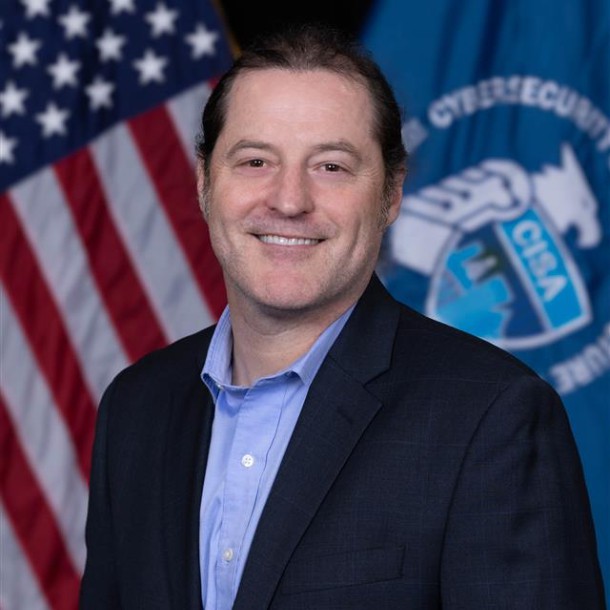
As CISA’s senior career cybersecurity leader, Butera helped steer the government’s cyber defense mission through a year of elevated threats and fast-moving technological change. In 2025, he kept core cyber defense operations running, coordinated responses to high-risk vulnerabilities and strengthened trust with federal, state and private-sector partners. Butera also pushed beyond immediate incident response, advancing software security and vulnerability management to improve coordinated defense across government and industry. At the same time, he elevated protections for artificial intelligence, post-quantum encryption and operational technology, helping position CISA and its partners to better confront the next generation of cyber risk.
Michael Butler
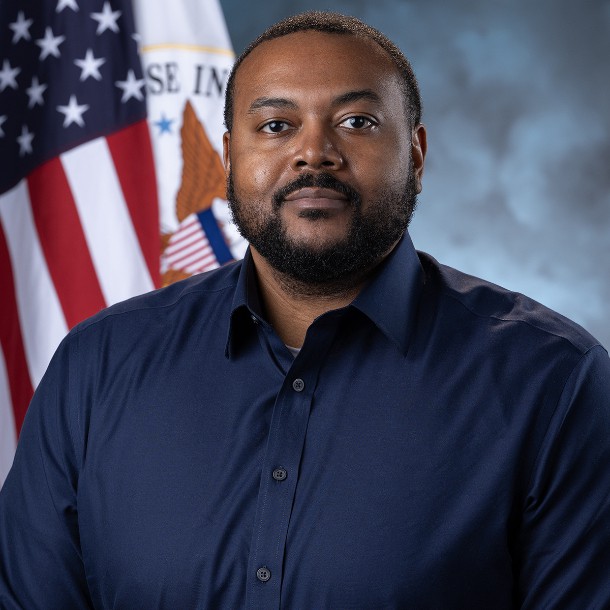
Butler turned the Pentagon’s network modernization goals into operational reality. In 2025, he architected the department’s next-generation DODNet environment, enabling large-scale migrations with stronger automation, data-driven management and zero-trust protections. His work helped retire costly legacy systems and supported rollout across 11 defense agencies serving roughly 85,000 users, while upgrading infrastructure at more than 160 sites to the Thunderdome framework. Butler also drove unusually fast execution: He led the Defense Advanced Research Projects Agency’s secret network migration of more than 1,000 endpoints in just 80 days and advanced unified endpoint management that cut device deployment times by more than half.
Bridget Carper Arnone
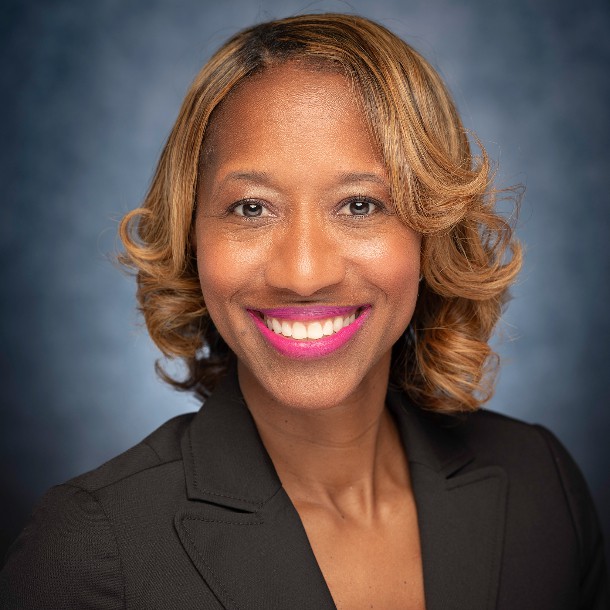
Refusing to be constrained by legacy operations, Carper Arnone reshaped how Energy deploys data and AI at enterprise scale. She scaled Joulix, a genAI platform, to embed secure AI into the daily workflows of 13,000 users and drive a projected $26 million in savings within a year. Through Quanta, the enterprise data and analytics platform, she eliminated 647 manual cyber operations and saved 2,200 hours annually for the Enterprise Cyber Capabilities Office. When tasked with a mandated energy reserve analysis, she stood up Energy’s first data exchange with the Federal Energy Regulatory Commission and delivered in 72 hours. She gets results fast — and makes sure they endure.
Julius Chang
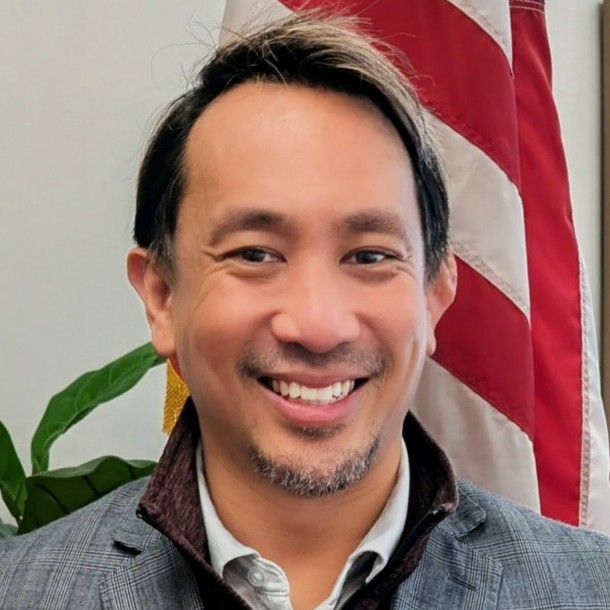
Leading IT modernization efforts within HHS’ Office of Grants, Julius Chang was the driving force behind the deployment of Simpler.Grants.gov and Simpler Grants Management. These initiatives have helped transform the process of applying for and managing federal funding opportunities, which were often slowed by outdated technology and complicated guidance. Working with vendors and other partners, Chang helped develop a more accessible system that prioritized user-centered design. Under Chang’s leadership, the Simpler.Grants.gov site now boasts more than 140,000 active monthly users. Since its launch, more than 2,730 unique users have saved 12,300 grant opportunities on the platform.
Carl Coe
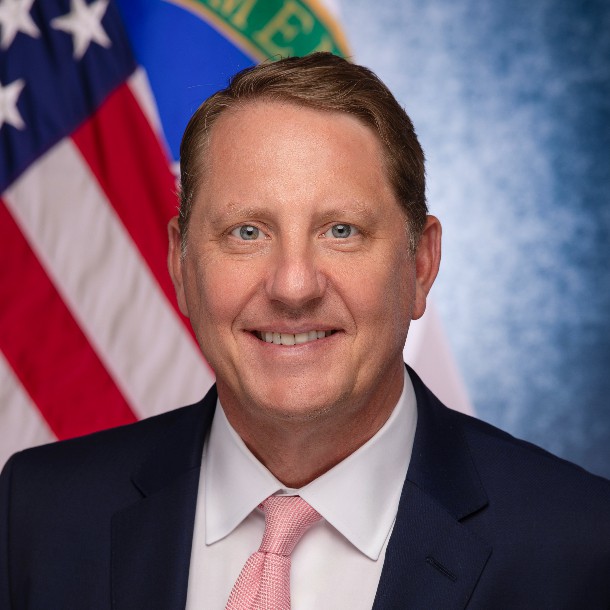
Carl Coe sees the big idea early, gathers the right people and scales it for the country. In 2025, he helped elevate the Genesis Mission from a lab-driven concept into what Energy views as its next great scientific initiative. The public-private partnership aims to build a shared federal AI platform that connects the department’s unparalleled research data with leading-edge supercomputing. Coe convened national lab directors, OSTP and industry leaders, including NVIDIA, AMD and Dell, to unify AI efforts under a multibillion-dollar model. The effort positions Energy to accelerate breakthroughs in fusion, materials science, climate modeling and national security while strengthening U.S. technological competitiveness.
Shila R. Cooch

Shila R. Cooch stepped beyond a CIO’s traditional IT boundaries as instability tested the Office of Science. Instead of protecting only systems, she protected the mission by absorbing workforce, governance and security risks that could have cascaded across 10 national laboratories and major scientific facilities. She strengthened enterprise cybersecurity while raising service performance and enforcing clearer accountability for results. Treating constrained resources as leverage, she expanded authorization reciprocity and scaled shared services across Energy, eliminating entrenched duplication and generating $567,452 in direct savings and $2.7 million in cost avoidance. The science enterprise emerged steadier, sharper and better aligned to deliver.
Dr. Darren Death

As cyberthreats intensified and AI adoption accelerated, Death used his rare combination of roles to unify cybersecurity, privacy, AI governance and IT modernization under a single enterprise strategy. He led a sweeping realignment that delivered clean FISMA and financial audits with zero findings, reducing risk while strengthening EXIM’s operational credibility. He authored and operationalized the agency’s first AI policy, which led to the deployment of secure generative AI tools that directly support mission delivery. By embedding secure-by-design practices across the IT portfolio and deepening collaboration with CISA, he positioned EXIM as a federal model for resilient, responsible innovation.
Chandra Donelson
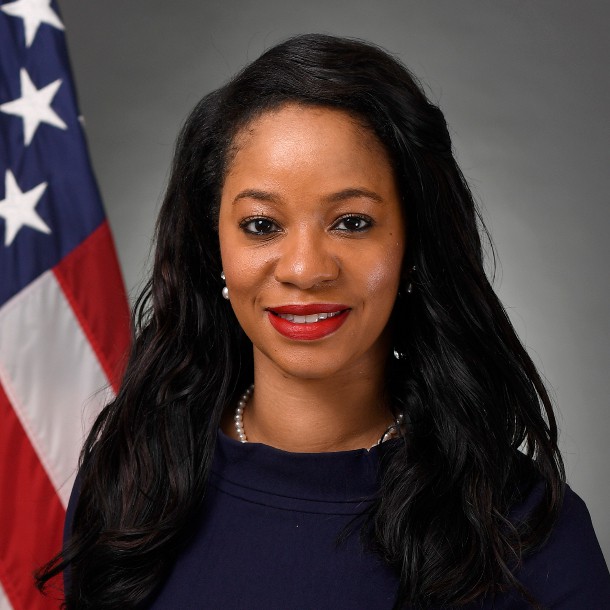
In 2025, Donelson took Space Force’s idea of data-driven warfighting and turned it into a reality. As the branch’s CDAO, she moved the service into execution, driving 92% delivery of the Data and AI Plan, modernizing the ATLAS platform and elevating the Unified Data Library to a program of record. Her work helped optimize decision-making processes across 27 operations centers. She also drove cultural change, deploying secure generative AI use for service members through the NIPRGPT chatbot for 800,000 users and breaking down data silos with an enterprise API gateway.
Danniel J. DuBois
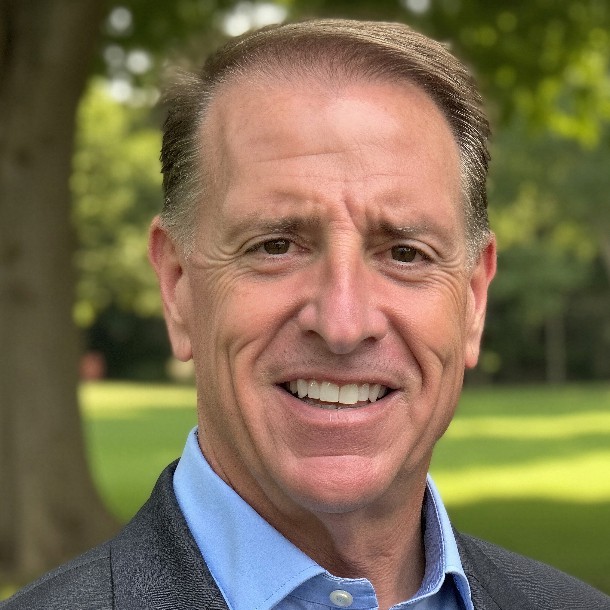
SPY-6, the Navy's most advanced air and missile defense radar, demands massive compute in the confined quarters of a destroyer, where every watt and inch of rack space is a constraint. DuBois led HPE's engineering effort to meet those limits without sacrificing real-time processing. During Raytheon's 2025 Block 2 competition to select the compute platform for all seven destroyer classes, DuBois ensured HPE's design withstood scrutiny: refining assumptions, aligning teams as requirements evolved and checking performance daily. His work moved SPY-6 from prototype to fleet deployment planning for 2026 through 2028, accelerating critical threat-detection deployment across the Navy’s destroyer fleet.
Michael J. Duffy

From his position at OMB, Duffy is the chief architect of the federal enterprise cybersecurity strategy. Given its broad importance across a federal landscape more prone to attack by adversaries than ever before, that leadership alone merits recognition. But Duffy has also been responsible for driving cybersecurity policy development and adoption, overseeing strategy alignment and implementation efforts and ensuring cyber program improvement and maturation across the sprawling federal government and its assortment of agencies. As one Federal 100 judge put it, “not every federal CISO deserves an award, but this one does.”
Suri Durvasula

When DOGE ordered Dell to justify its government contract work, Durvasula responded with a mission briefing. He reframed Dell's role by illustrating how its infrastructure underpins national-lab compute, advanced AI workloads and quantum research, including the Defense Advanced Research Projects Agency's Quantum Benchmarking Initiative. He brought similar clarity to a conference-sideline conversation that became a concrete proposal; within days, Durvasula secured Dell's role in the White House-directed Genesis Mission AI R&D platform. He’s also supported the Energy Department’s Doudna supercomputer development from first discussions, helping deliver a system that will transform research timelines from years into days for 11,000 scientists advancing discoveries in fusion, climate resilience and national security.
Collin Estes
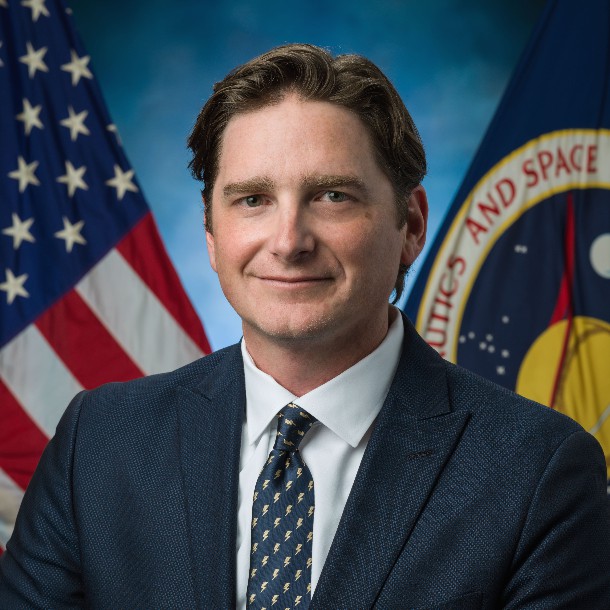
A 2013 spacewalk emergency revealed that NASA's safety data for mission-critical hardware lived in spreadsheets. Estes fixed that with COSMIC, a digital-thread platform tracking 400,000-plus unique parts across spacesuit and crew systems — later processing thousands of inventory activities and collapsing multiparty reconciliation from hours to seconds. In 2025, he applied this fix to the Artemis mission. In six weeks, he deployed AI agents ingesting risk data from SpaceX, Boeing, Lockheed Martin and NASA, helping safety teams generate flight readiness reports via chat. He unified NASA's Technical Reports Server into a zero-trust search engine and delivered NASA's first external zero-trust identity federation for commercial Artemis partners.
Bonnie S. Evangelista
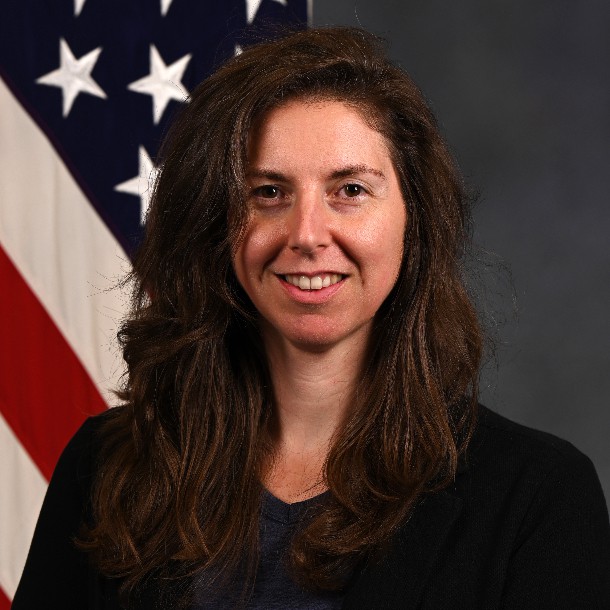
Artificial intelligence moves quickly; Pentagon procurement does not. Within the Chief Digital and Artificial Intelligence Office, Evangelista built repeatable acquisition pathways — using CSOs, OTAs and challenge-based competitions — that moved AI solutions from market research to award in weeks, not months. Under her leadership, the Tradewinds Solutions Marketplace enabled more than $2 billion in contract awards and cut average procurement lead times to 51 days. She replaced 30-page white papers with five-minute video pitches, opening doors to startups and nontraditional vendors. She now advances that momentum in a new acquisition policy role to foster a more resilient, secure defense industrial base.
Dr. Kelly E. Fletcher

As outdated infrastructure began slowing secure diplomacy, Fletcher set out to rebuild the State Department’s classified ClassNet from the ground up. Systems dating to 2004 gave way to classified cloud services, secure authentication, AI-enabled tools, advanced threat monitoring and cloud-based virtual desktops supporting 17,000 users worldwide. The modernization removed long-standing scalability constraints, strengthened cyber defenses and delivered a faster, more intuitive experience for diplomats operating in high-risk environments. Fletcher carried out the ambitious overhaul while integrating hundreds of IT personnel and different platforms from dozens of bureaus and USAID without disrupting ongoing operations or critical in-flight projects.
Ozie L. Foster
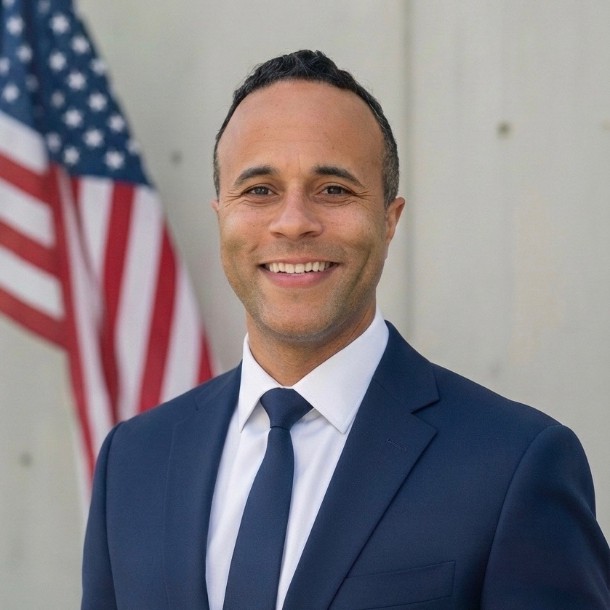
In addition to being OPM’s data director, Foster was acting deputy CIO and filled in other OCIO leadership roles during a year of massive change at the government’s personnel agency. Foster enabled the launch of a centralized analytics platform across all mission areas at OPM last year and delivered an identity federation platform, creating a unified source of truth and laying the foundation for artificial intelligence. His work was also central to OPM’s FedScope modernization for workforce data. Overall, Foster’s work drove a $12.9 million cost reduction last year, and he accelerated cycle time at OPM by 45%.
Rep. Andrew R. Garbarino
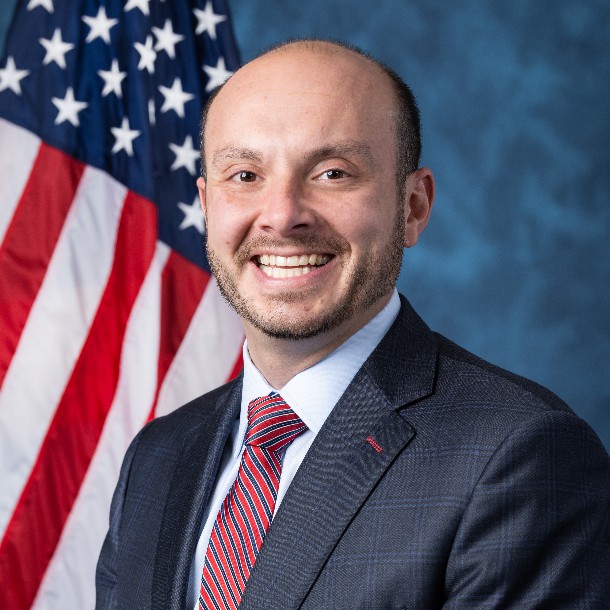
Rep. Andrew Garbarino, R-N.Y., shored up the nation’s cyber defenses while serving as chairman of the House Committee on Homeland Security. He pushed bipartisan legislation to ensure cohesion between the government and industry in a fraught policy year. He advanced the WIMWIG and PILLAR Acts and secured critical funding and federal information-sharing functions to bolster state and local defenses and prevent infrastructure loss in the event of an attack. He strengthened and unified the federal government’s ability to respond to state-backed and AI group threats. Garbarino also helped preserve the stability of the Cybersecurity and Infrastructure Security Agency, ensuring its mission to protect federal networks and critical infrastructure.
Dustin Goetz
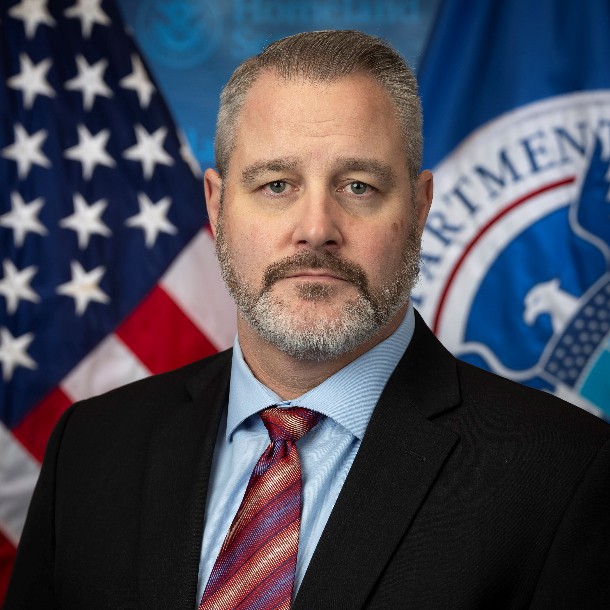
Goetz turned ICE’s technology plans into results. In his first months as CIO, he redirected the IT organization from disconnected projects to mission delivery. He stood up the Strategic Technology, Rapid Innovation, Knowledge and Execution Team as a sprint-based unit focused on urgent operational problems. One of his early wins includes deploying AI-enabled hiring tools that screened 70,000 resumes in two weeks, saving 4,500 hours and accelerating workforce onboarding. He consolidated duplicative services, modernized call centers and cut partner wait times by 75% without increasing costs. Just as important, he built each initiative for reuse by establishing governance, shared architectures and repeatable delivery models.
Tamara Greenspan

Recognized twice before with Federal 100 awards in 2023 and 2024, Greenspan continued to achieve excellence, driving large-scale digital transformation across federal, defense and civilian organizations. Among her efforts: cloud infrastructure migrations and data consolidations within the U.S. Army and Defense Manpower Data Center, which one nominator called “pivotal in enhancing data integration, streamlining operations and boosting overall performance.” In addition, Greenspan spearheaded financial transformation efforts for the National Gallery of Art, U.S. Marine Corps and Department of Homeland Security, using Oracle’s software and solutions to improve each agency’s fiscal accountability, resource management efficiency and financial governance.
Lawrence C. Hale
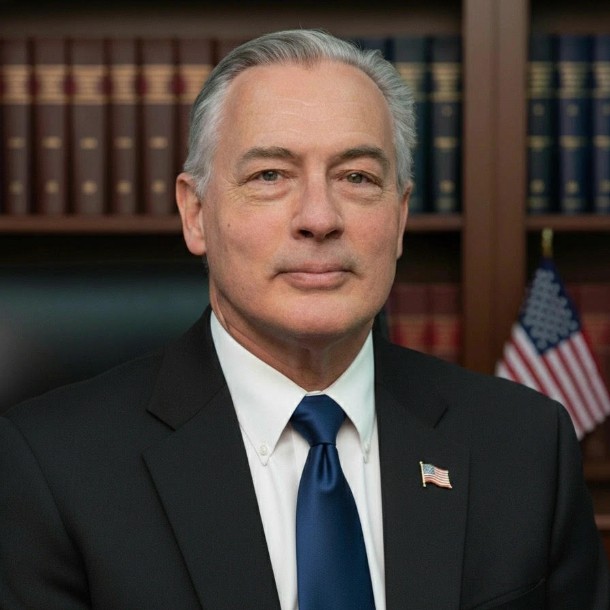
For years, the federal government has been urged to use its full buying power as a single enterprise. Hale, acting assistant commissioner for the $80 billion IT Category, helped turn that goal into reality by helping agencies through GSA’s OneGov strategy. He and his team engaged more than 30 OEMs to secure governmentwide discount offers, with price reductions of up to 90 percent on widely used technologies. They also standardized terms, strengthened security requirements and held more than 60 agency engagements to drive adoption. Agencies reported $500 million in software and AI savings within months, with projected savings exceeding $3 billion over three years.
Polly Hall

A once-in-a-generation rewrite of the Federal Acquisition Regulation only works if thousands of contracting officers, program managers and industry partners know how to use it. As executive sponsor for the Revolutionary FAR Overhaul Practitioner Workstream, Hall translated sweeping policy changes into day-to-day acquisition practice. She focused on how new rules would shape real decisions, including how solicitations are structured, proposals evaluated and awards executed. She refined clear, practitioner-focused guidance through direct engagement with acquisition, legal, small-business and industry communities. Her work ensures that the overhaul changes behavior and delivers more consistent, effective acquisition outcomes governmentwide.
Mauri Hampton
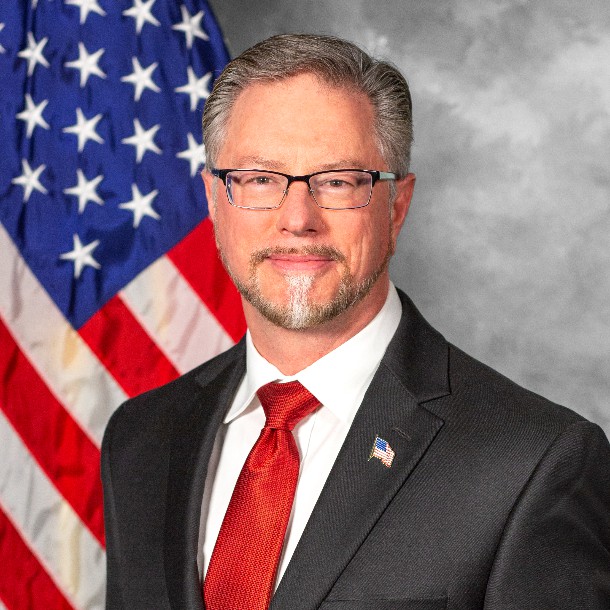
Hampton spent years pushing cybersecurity modernization at the National Reconnaissance Office from concept to execution, and in 2025 those efforts began delivering tangible gains. Under Hampton’s leadership, zero-trust access controls and secure software development pipelines moved into operation across dozens of high-value mission systems, strengthening defenses without slowing critical intelligence work. Most notably, an enterprise patching capability that launched in January and progressed toward initial operating capability by year’s end closed long-standing gaps in responding to same-day vulnerabilities and zero-days. Hampton also redirected resources from a redundant system and co-led a cross-organizational effort to establish a permanent office protecting mission-critical space assets.
Keith Hardiman
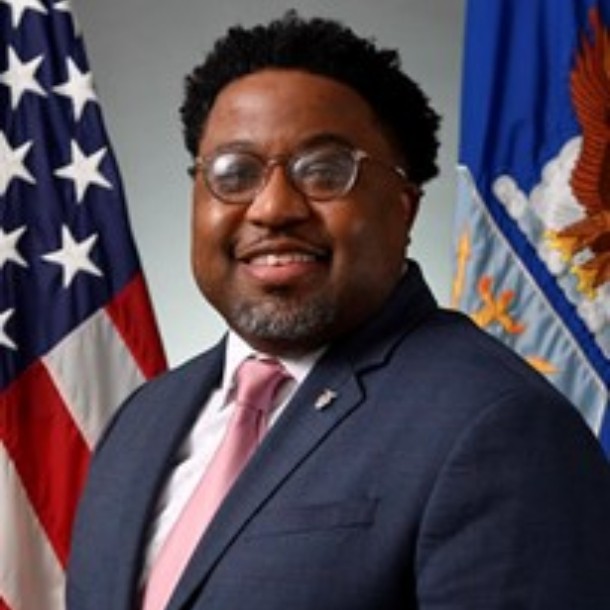
Hardiman wore three hats in 2025, delivering results felt across the Air Force. Serving as director of enterprise information technology, acting CIO, and acting deputy CIO, Hardiman managed a $13.3 billion enterprise IT portfolio while pushing efficiency and modernization. He saved $145 million on the Future Years Defense Program and brokered a first-of-its-kind DAF enterprise agreement, saving another $28 million annually. Hardiman also advanced the Air Force’s mission with foreign allies, boosting global engagement. He revitalized the IT workforce, achieving a nearly 90% hiring-force renewal rate, and launched new financial tools, reducing spend-analysis time from 90 days to four hours.
Maria Harr

As chief of the Coast Guard’s C5I Infrastructure and Digital Workplace branch, Harr tackled a long-standing problem: crews cut off from mission-critical systems offshore. She pushed the rollout of secure mobile devices and expanded connectivity, enabling operators on cutters and in remote units to access mission applications during operations. The effort supports the service’s Force Design 2028 push for a more agile, tech-enabled workforce. Drawing on two decades of digital transformation work, including large-scale health care modernization, Harr paired device deployments with microlearning and crew feedback to ensure the tools worked in real operational environments.
Steven Hintze

As Arizona seeks to protect children’s safety and welfare, Hintze has been crucial in embedding and integrating artificial intelligence and data management into his agency’s operations. In doing so, he has combined data from federal and state sources and used AI to reduce processing times for case assessments, as well as assessing and addressing different forms of abuse. It means case assessments are processed faster, while 1,400 field specialists have quicker access to accurate data that they then can provide to attorneys and judges.
Dr. Kristen Honey
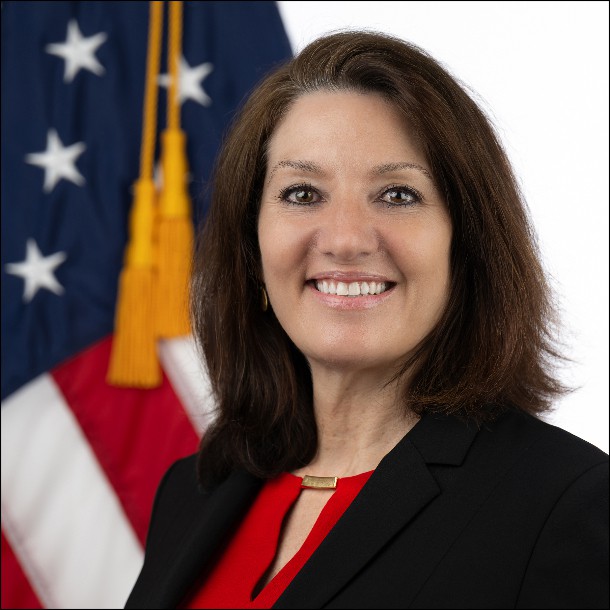
Honey has spent 30 years in public service, including working for three years across two presidential administrations. As CDO at HHS, she has focused on making agency data more accessible by launching the Living HHS Open Data Plan and a refreshed HealthData.gov ecosystem. The Open Data Plan outlines the agency’s approach to responsibly sharing data with the American public, which includes enhanced search capabilities and simplified access to maximize its value for researchers, policymakers and U.S. citizens. Honey has also worked to integrate artificial intelligence and open-source modularity into HealthData.gov, making the platform more accessible and user-friendly.
Joseph Hoyt
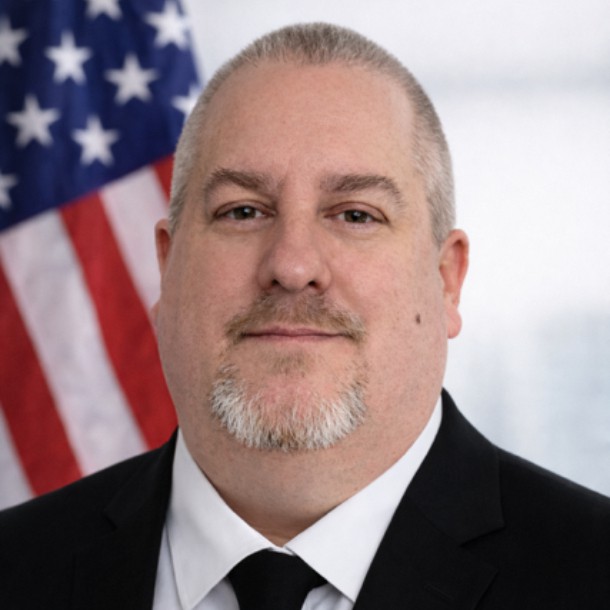
Hoyt is a problem solver operating at governmentwide scale. When rising threats collided with staffing cuts, he maximized resources and rethought how GSA can be resilient. Hoyt designed and launched the agency’s AI-enabled cyber defense program, automating 80% of routine analyst work and freeing experts to focus on complex threats and mission risk. He played a central role in modernizing the FISMA system, driving control tailoring and assessment reforms that secured an Authority to Operate. He also forged partnerships with CISA and the National Security Council, which positioned GSA as a proving ground for testing cyber policy and technology before scaling it across government.
Erika Hozeski

Most people don’t link math to food safety. But at USDA, equations, not instinct, determine which of 7,100 meat, poultry and egg facilities are tested for pathogens. Hozeski led the algorithms and automation behind that system. When she uncovered a flaw that left some high-risk plants unsampled, she rewrote the model, cleared a backlog of 1,000-plus cases and stabilized operations without overwhelming labs — even during a government shutdown. She then strengthened safeguards across multiple sampling models and upgraded reporting tools that guide modernization. The impact is concrete: fewer contaminated products slipping through inspection gaps and stronger protection for the nation’s food supply.
Mike Hurt

Getting AI into federal agencies requires eliminating the siloes and procurement friction that stall adoption. Hurt attacked that problem directly, leading September 2025’s landmark OneGov agreement between GSA and ServiceNow — a simplified licensing model, including discounted ServiceNow capabilities, that lowers barriers to governmentwide agentic AI transformation. The agreement aligned with the administration's AI Action Plan and quickly produced results: Early adopters reported reduced service backlogs, improved workforce productivity and faster response times. Hurt's approach streamlines modernization via ServiceNow’s IL5-compliant, FedRAMP High-ready platform, giving every Cabinet-level agency a clear, secure pathway from legacy systems to efficient, AI-driven operations.
David Jin
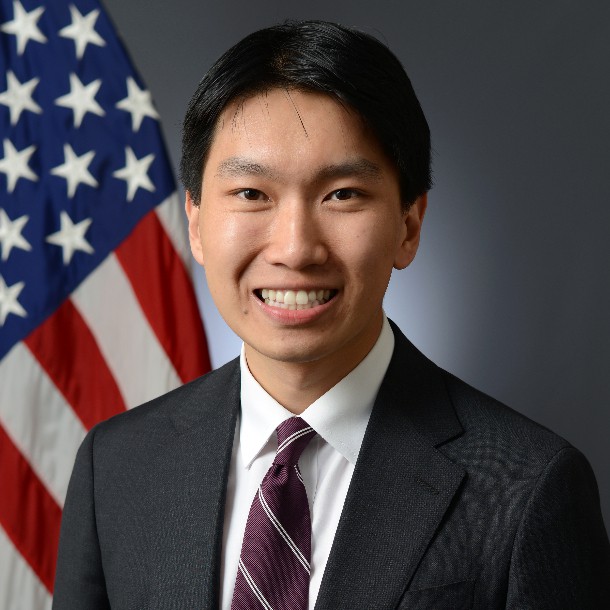
Jin turned the White House’s mandate to pursue AI dominance into working code. He helped design and launch GenAI.mil, the Defense Department’s enterprise generative AI platform, in less than five months. Jin oversaw the integration of Gemini through Google Cloud, delivering frontier models to a 3 million-strong workforce. Built in an Impact Level 5 environment, the system uses retrieval-augmented generation and web grounding to produce cited analysis. The result: policy summaries, contract reviews and operational planning tools that cut through paperwork and give analysts faster answers.
Jylinda Johnson

Johnson starts with one question: Who does this help? At GDIT, she supports more than 100 civilian agencies, always focused on how those systems help real people. Her teams modernized the Education Department’s FAFSA platform, using AI and integrated data to cut application times from hours to about 15 minutes. They run secure visa services in roughly 50 countries, processing about 7 million applications annually, and operate the State Department’s global logistics network, which equips diplomats and has helped move more than 800 people to safety. Johnson twice stepped up to lead ACT-IAC’s ImagineNation ELC, including rescheduling due to a government shutdown.
George Jungbluth
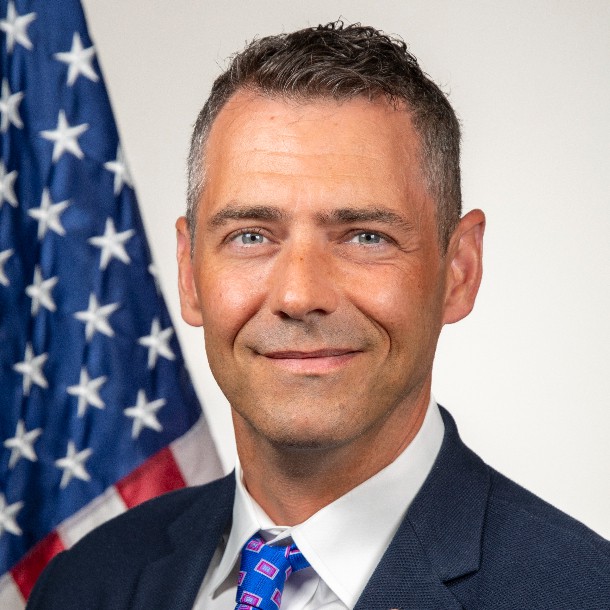
When severe weather strikes, seconds matter. Aging systems were slowing the nation’s ability to deliver timely, reliable alerts, but Jungbluth changed that trajectory. He led a $300 million modernization portfolio and unified 500 technologists within a 4,000-person workforce to execute one of the agency’s largest upgrades in decades. He rebuilt Weather.gov, drove the first comprehensive overhaul of the Advanced Weather Information Processing System in 30 years, and rapidly modernized the 1,033-transmitter weather radio network. Instead of 100 planned upgrades in 2025, his team executed more than 500, cut $12 million in costs and strengthened life-saving alerts for communities nationwide.
Dean Koester
As commercial AI capabilities surged ahead, Koester moved to narrow the federal gap. He strengthened NVIDIA’s public-sector organization, embedding cleared engineers with agencies to design mission-ready AI architectures. He helped forge a landmark partnership among the Energy Department, Argonne National Laboratory, Oracle, Hewlett Packard Enterprise and World Wide Technology, giving researchers immediate access to NVIDIA-powered AI computing while launching two next-generation supercomputers — Solstice and Equinox — projected to deliver more than 100 times the agency’s current AI capacity. The effort creates a shared foundation for cross-agency discovery and a more secure American AI ecosystem. “If we can help them solve the mission,” he says, “that’s the win.”
Jeffrey A. Koses

Within six months, Koses achieved what decades of acquisition reform efforts failed to deliver: a sweeping rewrite of the Federal Acquisition Regulation. Leading a cross-agency team, he cut the FAR by 25%, eliminating 484 pages, 230,000 words, 114 provisions and clauses and 2,724 prescriptive “must-do” statements that had driven risk-averse, compliance-first buying. Through 49 targeted deviations, he moved governmentwide changes into effect immediately while formal rulemaking and public feedback continue. The overhaul reduces complexity, restores discretion to contracting officers and gives industry clearer, faster access to compete for more than $300 billion in annual civilian contracts.
Ann Lewis

Following her time in public service, Lewis worked closely with the Niskanen State Capacity Initiative in 2025 to deliver a series of articles on how the U.S. government should deliver better digital services. She helped reframe how policymakers think about software, working with Fed 100 alum Jen Pahlka to champion a shift from isolated projects to continuous, user-centered products with implications for how digital services are funded, staffed and delivered. Just one month after their defining piece on the Product Operating Model, the Federal Student Aid office at the Department of Education cited their report as what “right” looks like for modern software development.
Erik Liederbach
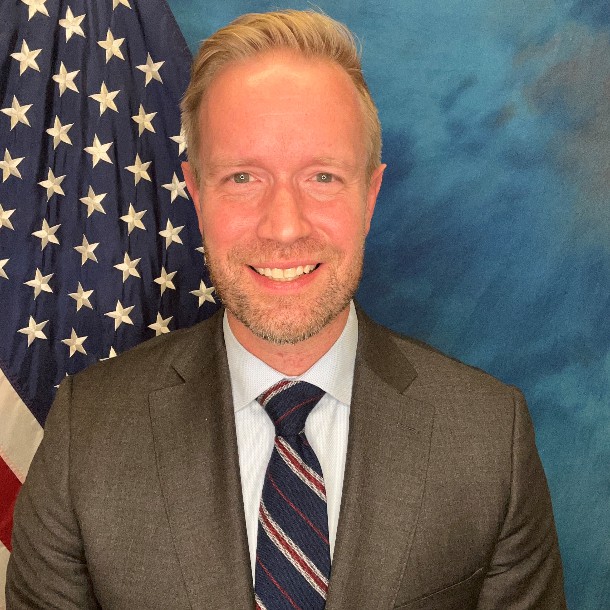
Fragmented crisis data once forced diplomats to assemble critical information under pressure. Liederbach closed that gap by leading the deployment of ORION 2.0, integrating dozens of systems into a single AI-enabled platform delivering real-time situational awareness. In 2025, he scaled ORION into the department’s enterprise crisis backbone, supporting evacuations, task force standups and daily operations worldwide. ORION now serves as the authoritative personnel accountability system, enabling leaders to track thousands during emergencies. Liederbach expanded and stabilized the platform amid multiple active crises, while user-centered design allowed newly formed task forces to onboard within hours rather than days.
Rep. Ted W. Lieu
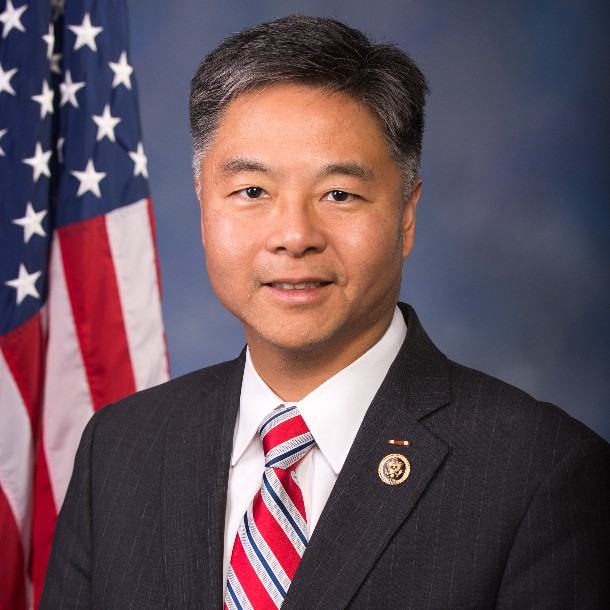
Rep. Ted Lieu, D-Calif., cemented his role as a congressional leader on AI and emerging technology policy. While co-chairing the new House Democratic Commission on AI and the Innovation Economy, he guided discussions with researchers, academics and industry leaders and advanced legislation like the National AI Commission Act to ensure accountability while also allowing flexibility in deploying emerging technologies. Lieu also championed the next generation of tech talent through the Congressional App Challenge. Its 2025 winner created an Alzheimer’s and Parkinson’s memory-health app. Lieu’s work blends advocacy, innovation and responsible oversight to shape AI’s role in society.
Joel T. Lundy
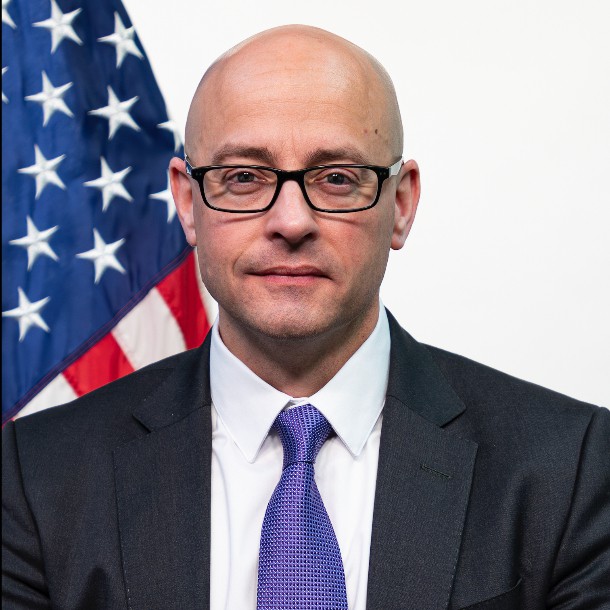
With agencies squeezed by budget pressure and workforce cuts, Lundy turned IT buying into a force multiplier. As a key negotiator behind GSA’s OneGov strategy, he pushed industry to treat the federal government as a single enterprise customer and closed 17 governmentwide agreements for commonly used software. Those deals met federal security, acquisition and policy requirements while delivering savings at a scale never attempted before, including up to 70% off Microsoft 365, Google Workspace for Government and Adobe Paperless Bundle. Agencies reported more than $500 million in savings, with projections exceeding $3 billion over three years.
Sunil Madhugiri
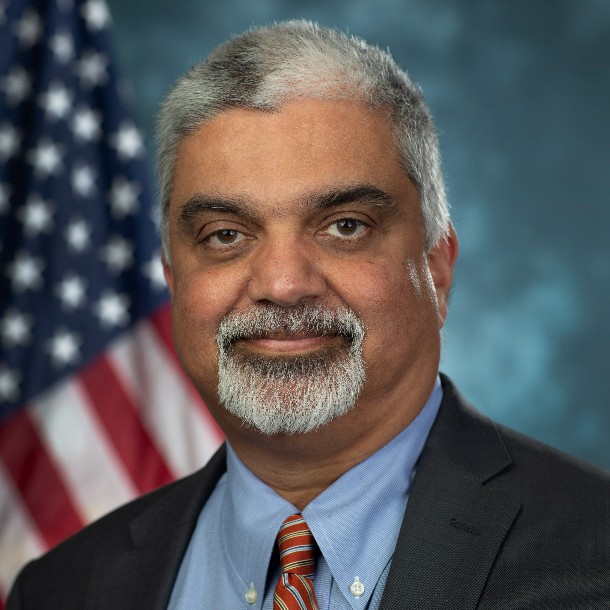
Behind the scenes at one of the nation’s largest law enforcement agencies, paperwork and legacy systems were draining time from frontline work. Madhugiri redirected that effort to the mission. He deployed a secure enterprise LLM chatbot that saved over 57,000 developer hours and delivered $1.7 million in cost avoidance, all within strict security requirements. He expanded generative AI code-assist tools built to meet law enforcement standards and scaled robotic process automation projected to save more than 600,000 hours over its lifetime and reduce operational risks. Officers and agents now spend less time on manual tasks and more on community safety.
James Mahoney
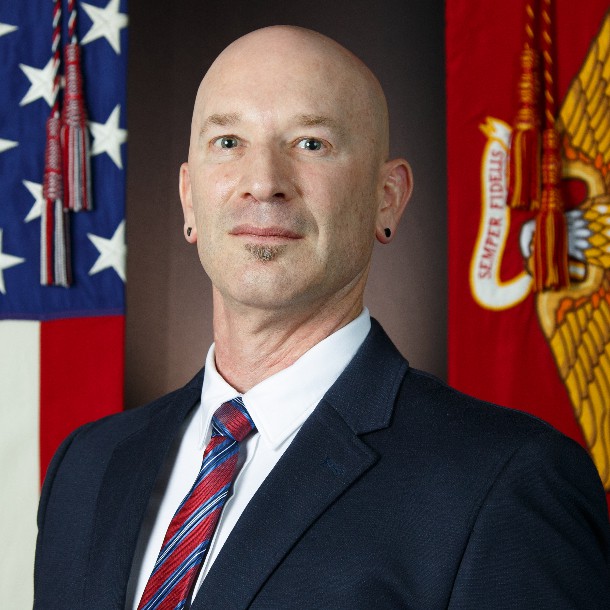
Marine Corps installations have long lacked the tools, workforce and visibility to secure operational technology effectively. Mahoney addressed this by designing a unified enterprise approach that combined architecture, processes and skilled personnel. He integrated more than 260 sites at Camp Lejeune, standardized management for over 1,100 assets and connected OT monitoring with IT security systems for continuous threat detection and coordinated response. His model gave the Corps real-time situational awareness, measurable risk reduction and a replicable roadmap for operational technology security — now guiding installations and forward-deployed bases across the Department of Defense.
Natesh Manikoth
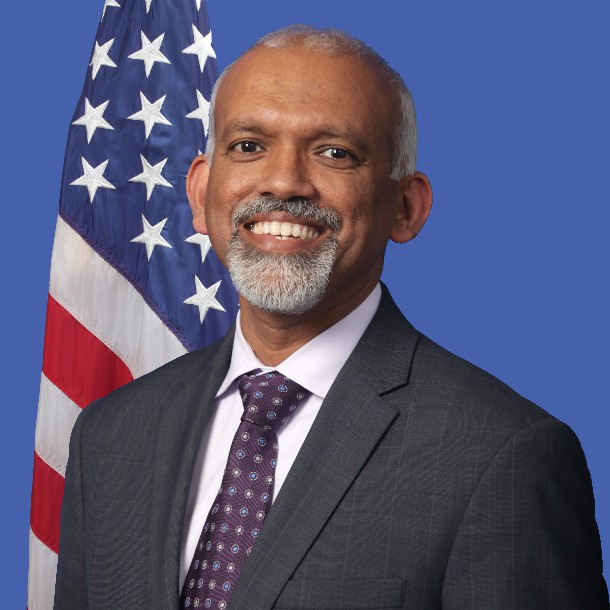
Manikoth oversaw the transformation and modernization of FAA systems in the face of the nation's growing aviation demands. Last year, he also directed the FAA's modernization of its commercial flight management capabilities and unmanned aircraft integration, while also driving AI into the agency's digital capabilities. He accomplished all of this during a transition year that included a lengthy 43-day government shutdown that dramatically impacted FAA operations. While Manikoth retired from civil service in January, his work in 2025 was impactful as ever and worthy of recognition.
Lynn Martin

No Cabinet-level CFO Act agency ran on a true software-as-a-service HR platform until Martin made it happen. She launched Workday Government in July 2025, then delivered its flagship proof: deployment at the Department of Energy, completed early and under budget. The initiative proved commercial SaaS compatibility with federal security and privacy requirements. In turn, the deployment opened the door to game-changing federal workforce modernization, including skills-based hiring and talent management and reduced timelines and costs for recruiting and hiring. Martin also partnered to support Space Force Personnel Management Act implementation and built the Veterans Skill Translator, connecting vets with civilian job opportunities.
Steven McAndrews

Seventeen national laboratories long operated with duplicative tools and fragmented technology environments. McAndrews led a coordinated push to standardize core IT platforms across the labs, eliminating redundant systems, cutting licensing costs and strengthening security and data interoperability. The effort delivered a 56% departmentwide cost reduction worth millions. McAndrews also partnered with the Office of Science to establish a reciprocity policy for Authority to Operate approvals, allowing accredited systems to be reused across organizations. The changes accelerated the deployment of secure technology supporting nuclear security, nonproliferation and emergency response missions.
Michael J. McCalip

Mission-critical technology only matters if agencies can access it. McCalip spent 2025 removing acquisition barriers by unifying partnerships with policy, security and technology leaders behind innovative solutions. His work enabled crucial Department of the Interior cloud migration through the CHS III program, reducing risk and delivering significant savings. He unlocked secure generative AI tools like Anthropic Claude and Google Gemini for data-intensive missions, including at the U.S. Geological Survey. Additionally, he structured a small-business partnership for the Treasury Department that achieved more than $15 million in annual cost avoidance while accelerating access to improved cloud capabilities and digital services.
Antoine McCord
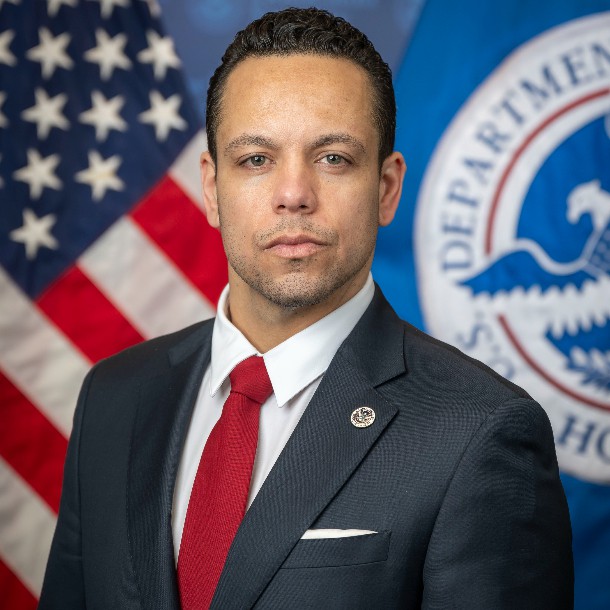
Running the federal government’s largest law enforcement IT portfolio requires constant tradeoffs among speed, security and cost. McCord forced those choices to deliver measurable results. He reset the troubled Homeland Advanced Recognition Technology program, eliminating $70 million in redundant contracts and positioning the government’s largest biometrics database to avoid more than $700 million in costs. He also launched the agency’s Continuous Authorization and Automated Risk Management framework, cutting ISSO labor requirements by over 80% and redirecting $14 million to mission priorities. New cloud policy and a 30-day FEMA cybersecurity remediation sprint shifted DHS toward continuous, enterprisewide threat detection.
Sandra M. McIntyre
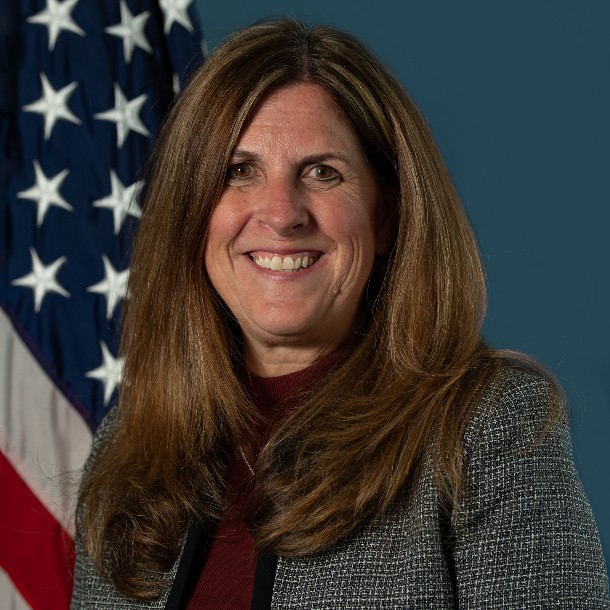
McIntyre turned long-term goals for interoperable medical IT capabilities into durable, digital medical workflows that improve continuity of care, clinical accuracy and survivability. Her team delivered systems including Battlefield Assisted Trauma Distributed Observation Kit-Joint, Operational Medicine Care Delivery Platform, MHS GENESIS-Theater and Theater Blood Mobile. She led the development, acquisition and testing of interoperable medical tools that bring real-time documentation and decision support to 1.3 million deployed service members. Medics and providers can now forgo paper records, using durable digital documentation that travels with medics in real time across domains.
Meagan Metzger

Metzger helped the Army and Department of Defense manage rapid acquisition reform in 2025 by focusing on practical, mission-driven outcomes. She worked with senior leaders to align priorities, make portfolio tradeoffs and streamline technology adoption across programs and commands. Her team launched a secure commercial technology marketplace in just 24 hours, ran a rapid prototyping surge connecting over 50 venture firms to urgent Army needs and helped operational units access emerging capabilities faster than ever before. By tying reform directly to commander and warfighter outcomes, Metzger ensured acquisition changes delivered real, measurable improvements across the force.
Bradley A. Miller
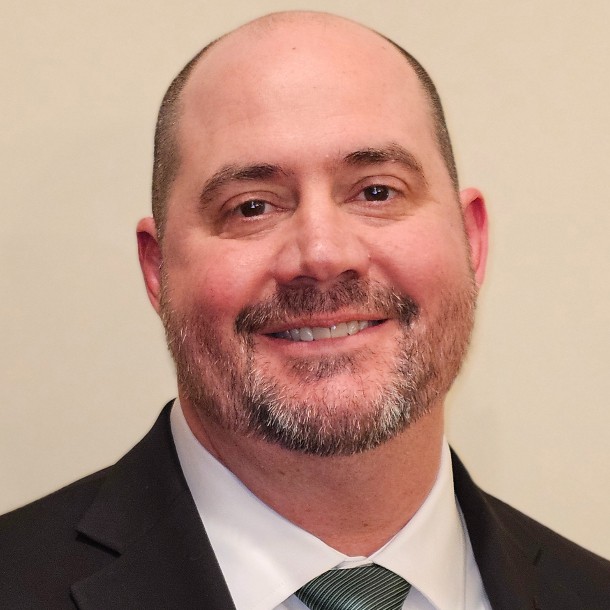
When the State Department assumed responsibility for major foreign assistance operations, financial data needed to move fast — and stay visible. Miller delivered that capability by launching StateInsight. He led the rapid integration of more than a dozen grants and contracts systems from State and USAID into a single platform, giving officials real-time visibility into $50 billion in foreign assistance spending. The system supports more than 200 grants officers and representatives and enables AI analysis of millions of award documents. During the transition, Miller ensured payments and approvals continued without disruption, strengthening oversight, transparency and accountability across one of the government’s largest foreign assistance portfolios.
Katrina Mulligan

Mulligan helped provide the U.S. government access to advanced AI in its most sensitive environments. She built a cleared team and operating structure to support classified missions and served as the main point of contact for senior government stakeholders. Her work enabled AI to run within a classified system at Los Alamos National Laboratory, allowing analysts to apply advanced models to mission-critical data that couldn’t leave the lab. Mulligan combined technical expertise with credibility to align private-sector innovation with national security needs on a fast, unprecedented timeline.
Marco A. Munoz
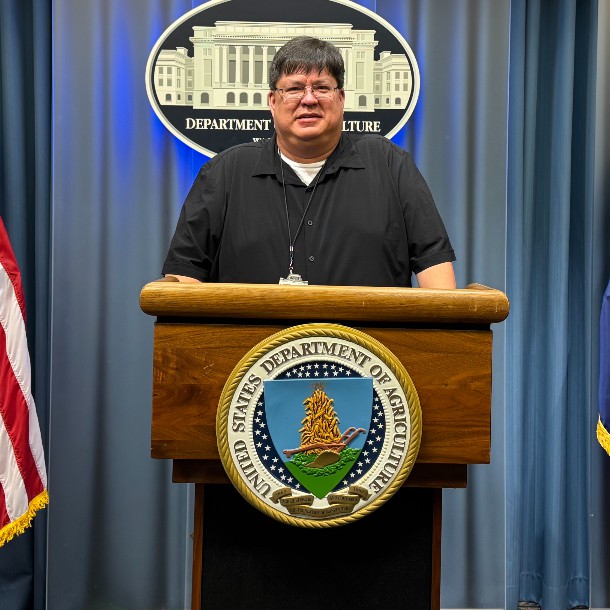
When Munoz inherited USDA’s network modernization effort, the project lagged 18 months behind schedule and spanned a fragmented infrastructure supporting 6,900 locations and 100,000 employees. Munoz reset the timeline and delivered the federal government’s largest civilian enterprise network deployment. Under his leadership, USDA consolidated 17 agency networks into one software-defined architecture while transitioning from legacy telecommunications contracts to Enterprise Infrastructure Solutions. The overhaul eliminated years of technical debt, replaced a single-vendor model with a multivendor strategy and boosted reliability to 99.95% availability. The unified platform now delivers faster digital services to the public while saving USDA $50 million annually.
Carlos A. Muñoz
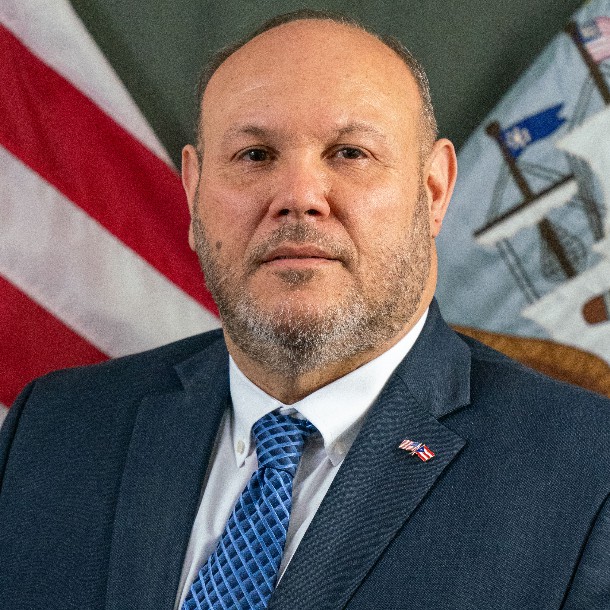
Muñoz led the Navy’s effort to secure the operational technology that keeps its industrial systems running. As CIO of Naval Facilities Engineering Systems Command, he is driving an enterprise initiative to protect mission-critical facility-related control systems that manage electricity, water and other infrastructure supporting fleet operations. His team identified 160 essential systems related to national security and deployed cybersecurity protections to 35 high-priority systems. Muñoz’s expertise has become vital to the Navy’s ability to protect infrastructure. His work gives Navy leaders clearer visibility into industrial control systems that ensure fleet readiness.
Patrick Newbold
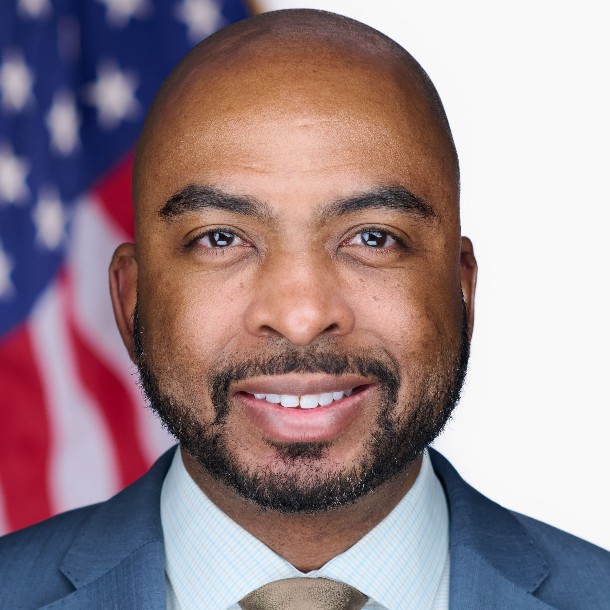
Newbold has spent his career solving complex IT challenges. In his current role at CMS, he has maintained that ethos of problem solving by delivering $756 million in FY2025-26 savings and cost avoidance. Newbold drove cost savings across the agency’s $3.5 billion IT portfolio by eliminating redundant services and driving platform consolidation without CMS experiencing any service disruptions. He also scaled artificial intelligence use across the agency by launching 87 pilots and rolling out CMS Chat and Copilot. Approximately 80% of CMS personnel now use generative AI each week.
Vu Nguyen
Protecting the Justice Department’s vast digital ecosystem requires constant vigilance. Nguyen is leading a coordinated push toward a stronger zero-trust security model across 40 components and 160,000 users. He established a central Zero-Trust Program Office to align priorities and accelerate adoption of modern defenses. Under his leadership, DOJ expanded secure access service edge capabilities, unified identity authentication, deployed endpoint detection and response tools and strengthened policy enforcement through a zero-trust broker. These efforts give security teams greater real-time visibility and faster response to threats, resulting in stronger protection for sensitive systems and mission-critical data.
James “Jimmy” Norcross

Norcross leads the modernization of critical federal mission systems in his role at CACI. Overseeing a 5,900-person organization, he led major improvements to applications that support operations at U.S. Customs and Border Protection. His team doubled software release speed while maintaining 99% defect-free quality, enabling more than 1,000 system releases a year. Norcross also led the modernization of 143 applications and advanced the Electronic A-File system, which has generated over 4.5 million digital immigration records and reduced manual processing by roughly 30 minutes per file, saving frontline agents thousands of hours.
Rasheedat Osei-Acheampong

Osei-Acheampong’s team is responsible for managing more than $500 million in federal programs focused on application modernization, cloud migration and AI-enabled development. One of her most significant efforts supported the Defense Counterintelligence and Security Agency, where legacy systems slowed personnel vetting across the government. Osei-Acheampong led the development of a new AWS-based platform that cut the agency’s codebase by 65% and streamlined applications, helping reduce millions in costs and accelerate the clearance process central to the Trusted Workforce 2.0 initiative.
Leigh Palmer

Palmer was perhaps Google Public Sector’s most visible face to government technologists and executives in 2025. She was instrumental in bringing artificial intelligence, security, data analytics, collaboration and multicloud capabilities at scale to some of the largest agencies in government, and she spent a portion of the year bringing some of the most advanced AI models to public-sector institutions, including for secret and top-secret workloads. “Leigh Palmer is the one [from Google Public Sector] we talk to when we have a question or problem,” said one Federal 100 judge. “We get face time with her and she gets things done.”
Julia Pan

Pan helps steer the Senate’s science and technology agenda. Working for U.S. Sen. Maria Cantwell, D-Wash., she manages a wide portfolio spanning AI, quantum computing, semiconductors, biotechnology and space policy. Pan played a major role in advancing the bipartisan National Quantum Initiative Reauthorization Act, which aims to boost U.S. quantum research, and helped shape multiple Senate-related AI proposals. She also staffed high-profile hearings on AI competition and worked across party lines to block federal limits to state AI policy — preserving Congress’s role in molding the rapidly evolving technology landscape.
Kaschit D. Pandya
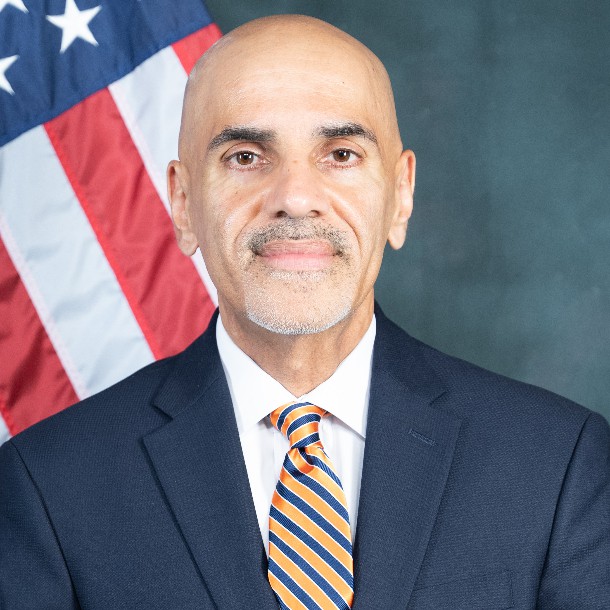
Pandya took over as CIO at IRS in April 2025 at a moment of disruption: major workforce reductions, shifting priorities and mounting pressure to modernize systems that process the nation’s taxes. He stabilized one of the federal government’s largest technology environments while the IRS IT workforce shrank by nearly 40%. Pandya delivered a smooth filing season, ensuring critical updates landed on time and protecting the accuracy of hundreds of millions of returns. He reorganized the IT division for the first time in two decades, expanded digital notice delivery, enabled clean-energy credit systems and launched controlled AI tools for staff.
Matheus Henrique Passos

Establishing the Commerce Department’s first enterprisewide artificial intelligence capability required more than technology: It demanded alignment across a decentralized enterprise. Passos oversees a $3.8 billion IT portfolio spanning 12 bureaus and 47,000 personnel. In 2025, he secured executive backing and built the strategic, governance and architectural foundations for responsible AI adoption. His unified methodology allowed bureaus to pursue mission delivery while drawing on shared AI resources and expertise. Passos also led deployment of the Commerce USAi solution, negotiating a grant-funding rate 12 times higher than originally proposed, dramatically expanding departmental AI capacity and visibility.
Christina Peach
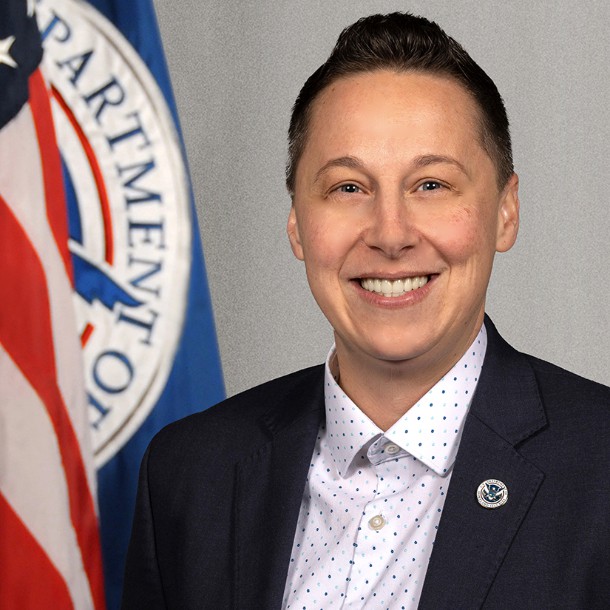
Peach began her TSA career as a transportation security officer in Pittsburgh and later served in the National Deployment Force, experiences that shaped her understanding of how policy and technology play out at busy checkpoints. Today, she converts that frontline insight into the agency’s future security architecture. In 2025, Peach led the requirements and mission analysis behind several visible advances: REAL ID enforcement, military lanes, new options for travelers without identification and expansion of touchless ID and automated eGates. She stands out for driving clear decisions and staying engaged until improvements reach the traveling public.
Col. (Ret.) Jesse Phillips
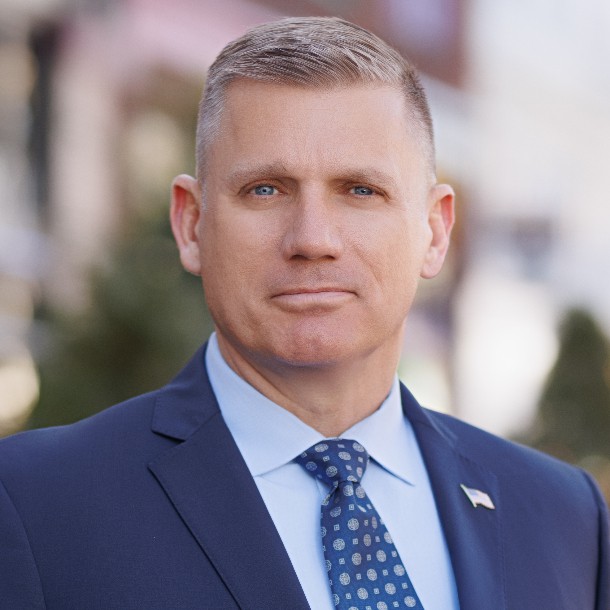
Phillips retired from the military in 2025 after 37 years of service, but his IT and cyber leadership lives on. As an executive client advisor with U.S. Army Reserve Command, Phillips led the development of a commercial-classified Mission Partner Environment to support African Lion, the largest U.S.-led exercise in Africa. The cloud-based MPE was designed to promote interoperability among thousands of troops from more than 52 nations and other partners. The MPE replaced expensive, nonpersistent networks and led to a drop in annual sustainment costs from roughly $1.8 million to an environment that could be established for $250,000.
Dr. Toni Phillips, DNP, RN-BC, FAMIA

Phillips helped guide clinical modernization across the VA electronic health record program. Serving first as chief nursing informatics officer and later as director of deployment, she helped reduce new patient wait times by 13%. She also launched a pilot eliminating 80% of duplicate external health records. Her initiatives improved care delivery across more than 20 medical sites, including expanding barcode medication administration to a more than 90% adoption rate and improving referral routing by 28%. While juggling these leadership roles, Phillips delivered measurable improvements that strengthened care delivery and advanced the VA’s effort to modernize federal health care.
Pavan Pidugu
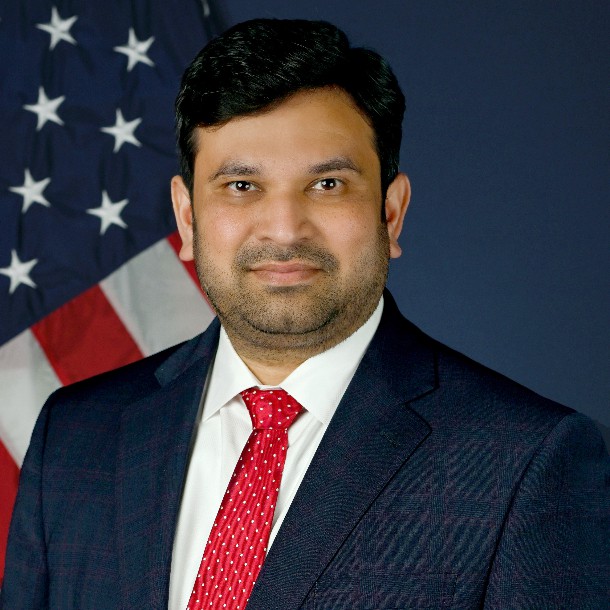
At DOT, modernization had long moved at the speed of legacy systems. As the department’s first chief digital and information officer, Pidugu set out to rebuild its foundation. He unified eight IT organizations into OneDOT IT, eliminating shadow systems and giving technologists a shared mission. In 2025, he began replacing 14 separate grant platforms with a single system, launched a three- to five-year push to eliminate 30 years of tech debt, and consolidated scattered roadside and safety tools into coherent products that frontline staff can rely on. The result: a department able to deliver technology changes in months rather than years.
Sean Plankey
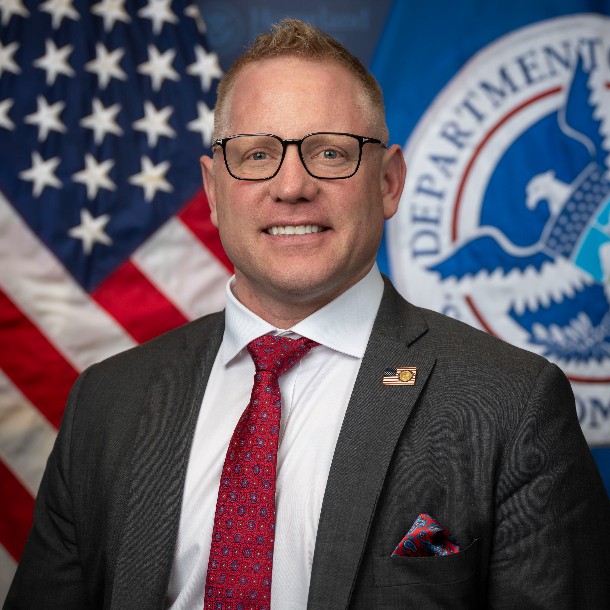
Plankey is working to fully reset the Coast Guard’s mission delivery. When the service’s common operating picture wasn't working and operators quietly paid out of pocket for commercial tools, Plankey broke down internal hurdles and worked around traditional acquisition cycles. As the Army awarded its Palantir Maven contract, he placed the Coast Guard's task order first — beating the Army to its own vehicle — and delivered a modern operating picture in weeks. Near San Diego, where 70-knot cartel Jet Skis routinely outran Coast Guard vessels, Plankey repurposed Customs and Border Protection watercraft and contracted drones-as-a-service. Drug interdictions subsequently increased 200% in 2025, the highest in Coast Guard history.
Derrick R. Pledger
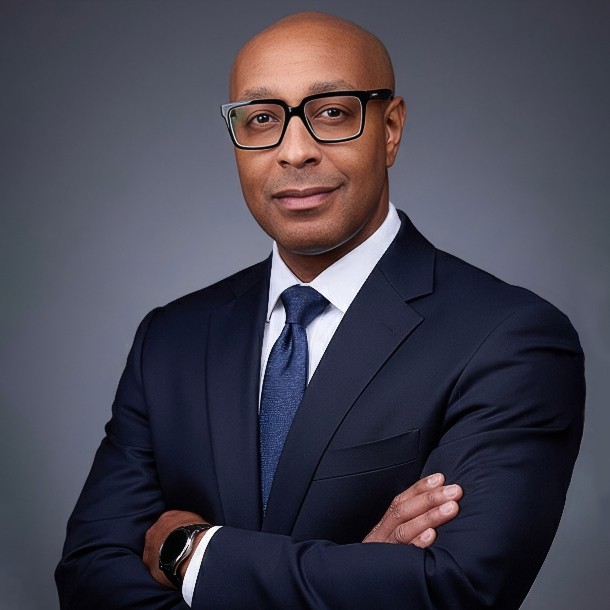
Pledger leads Maximus’ federal modernization, improving cybersecurity, cloud and AI systems. A veteran himself, he helped the Department of Veterans Affairs process over 400 million documents, ramping up efficiency ninefold. Pledger helped secure two U.S. Air Force contracts in cyber, cloud and command-and-control capabilities. With his guidance, Maximus launched a defense-focused hackathon with the National Defense Industrial Association, connecting operators, researchers and technologists. Pledger pairs enterprise-scale technical execution with mission-focused leadership to strengthen national security, accelerate innovation and ensure federal platforms remain secure, resilient and trusted by nearly a third of Americans.
Jessie Posilkin

Posilkin leads the $1.2 billion federal technology investment program that helps agencies modernize their technology with upfront capital and specialized advisory services. In 2025, she led the TMF to prioritize full repayment for new investments, proposed authorization from Congress to sweep unobligated balances into the fund and led the TMF through a presidential transition — all moves designed to ensure that the TMF has the staying power to fund transformation moving forward. Her work has enabled the modernization of aging IT systems that impact Americans daily to make them more modern, secure and user-friendly.
Michael T. Post

Post led SBA through a nine-month cybersecurity surge that reshaped its risk posture. He advanced the agency from a largely Zero Trust Level 1 posture to broad Level 2 maturity with targeted Level 3 capabilities that far surpass its historical FISMA performance. He implemented enterprise asset discovery, expanded identity federation, deployed automated endpoint detection and response and introduced microsegmented network controls, strengthening monitoring and reducing incident response times. Post also unified offensive and defensive operators into a single security organization. His team’s fourth-place finish in a national SentinelOne cyber competition underscored a new reality: a workforce and architecture built for modern threats.
Aprajita Rathore

Rathore leads Deloitte’s Enterprise Transformation Services, helping federal, state and local and higher-education clients modernize enterprise service delivery. She designed an AI-driven operating model that improves back-office efficiency, accelerates mission delivery and reduces agency overhead costs. Rathore built partnerships and solutions with AI and machine-learning leaders, delivering measurable results for complex challenges. She also launched Deloitte’s Mission Support Services market offering, scaling next-generation enterprise solutions for the government. In 2025, she hosted the Transforming Enterprise Services Executive Summit, bringing agency leaders together with innovators to advance AI-driven business transformation and strategies for more agile and effective administration of public services.
Tarik Reyes
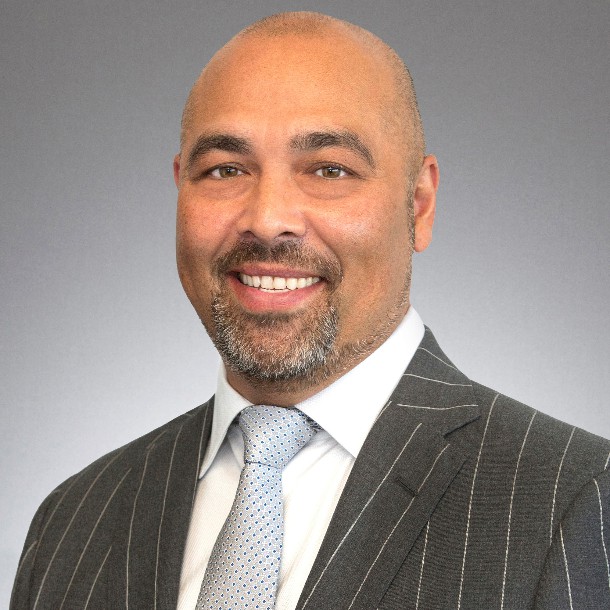
Reyes has nearly three decades of experience leading complex transformations across health, defense and other public-sector missions, but 2025 might have been his best year yet. He led a team that modernized Medicare enrollment to improve speed and accuracy for tens of millions of beneficiaries, powered a Centers for Disease Control and Prevention chronic disease program with scalable data services, and worked with a team that expanded data-enabled outreach for at-risk veterans. Beyond using technology and meeting contract demands, Reyes convened stakeholders and “led with empathy and urgency,” according to a nominator, with a focus on improving outcomes for people regardless of the service they required.
Ryan Riccucci

Riccucci moves easily between the field and the data architecture that now underpins modern security missions. A former Border Patrol agent who jokes he is “half caveman, half egghead,” Riccucci has spent years pushing DHS to treat data as mission infrastructure so it can adopt AI responsibly and effectively. In 2025, those efforts led him to deploy ontology-driven tools for counter-UAS teams at Super Bowl LIX, turning a slow drone-identification drill into instant alerts. He also advanced the Maritime Domain Awareness Platform/AI and guided the department’s Canonical Controlled Vocabulary prototype while recruiting and training the workforce needed to sustain this shift.
Amy Ritualo

Ritualo is the chief architect of StateChat, the preeminent tactical generative AI tool and management capability in the State Department. This technology puts practical AI tools into the hands of the diplomatic corps, augmenting their access to timely and critical information across the department. To help train her workforce to adopt and use AI, Ritualo worked to insert AI modules into the National Foreign Affairs Training Center curriculum, prepping her people for the AI world of today. Beyond whiz-bang tech, Ritualo oversees State’s data and AI efforts, shaping data governance and ensuring technology responsibly supports the department’s diplomatic mission areas and strengthens foreign policy.
Adarryl Roberts
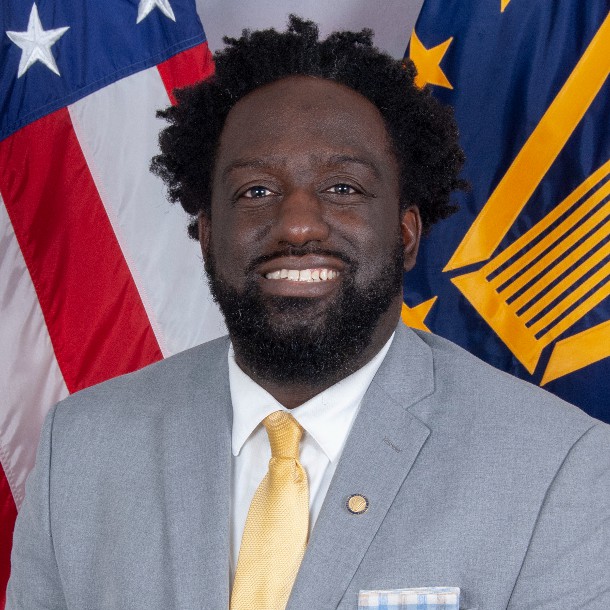
Sustaining $50 billion in annual operations across nine global supply chains leaves no margin for reacting after problems emerge. In 2025, Roberts executed DLA’s digital strategy, shifting toward predictive, data-driven decision advantages. That includes by focusing use of AI across the three main mission areas of operations, demand planning and forecasting, and audit and transparency. Roberts redesigned DLA’s enterprise data fabric and layered architecture, unifying procure-to-pay, distribution and financial systems. For warfighters, the resulting AI tools at scale enhance mission speed, accuracy and responsiveness, supporting rapid shifts between global operations and domestic emergencies — the purpose Roberts keeps central to every modernization decision.
Alton Robinson
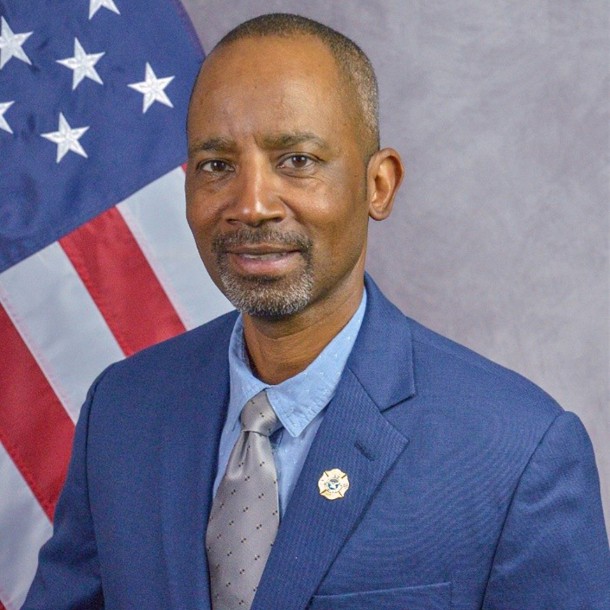
Firefighters make life-and-death decisions in seconds, and traditional training can only simulate so much. Robinson changed how 30,000 DOD emergency responders prepare. In 2025, he developed and deployed the AR Incident Commander/AI Mentor Game, pairing augmented reality with AI to coach firefighters through high-stakes scenarios with real-time feedback. Robinson guided the effort from vision through operational pilot, aligning with all 81 DOD certification levels. The modernization supports almost 30,000 DOD emergency responders worldwide with a certification program that reinforces incident command judgment and decision making under pressure. The tool earned the 2025 ACT-IAC Innovation Champion Award and the FORUM Innovation Award.
Maj. Jonathan Roman
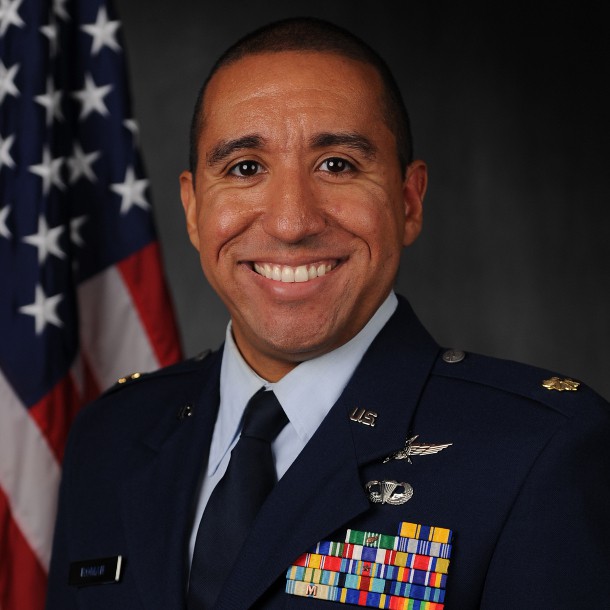
Strengthening Ukraine's tactical defenses requires technical problem solving at the pace of conflict. Roman’s coordination of communications systems provided key advantages to Ukrainian operations in 2025. In his role, Roman managed a $36 million plan across 42 C5ISR projects and directed $300 million in technology donations bolstering Ukrainian communications and air defense capabilities. When a stalled secure communications project threatened high-profile personnel, Roman revived the capability in two weeks; he also resolved one network outage in an hour. He notably created a critical database inside the Maven Smart System, establishing authoritative EUCOM data sourcing for theater communications.
Liliana Roman
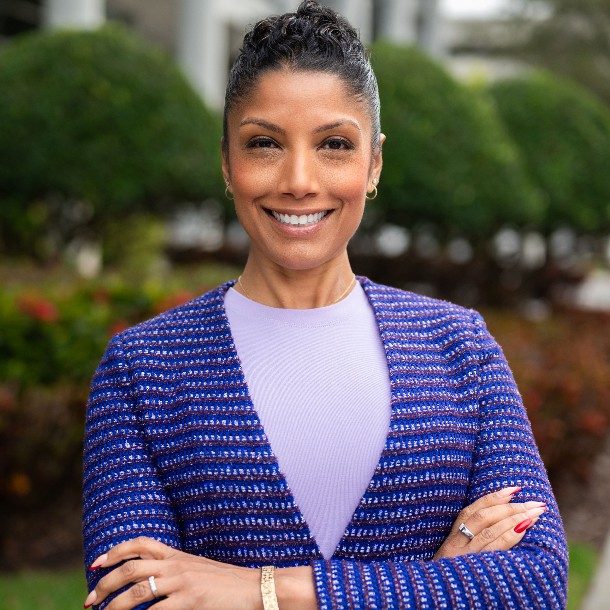
Delays in deploying IT arguably first impact the forward-deployed special operators waiting on mission-critical tools. Roman in 2025 closed SOCOM’s gap between the enterprise and the field. She operationalized Infrastructure as Code across the SOF Information Environment, eliminating manual processes and cutting virtual machine provisioning from months to minutes, with standardized configurations that reduced security drift across multiple network enclaves. She also delivered SOCOM's first containerized, on-premises large language model on an air-gapped network, providing analysts flexible AI capabilities for classified data without cloud dependencies. Both efforts used existing contract vehicles, cutting acquisition timelines from years to months while controlling cost and risk.
Matthew Albert-Lewis Rose

Rose leads Snowflake’s government affairs work, clearing obstacles to both cloud and AI adoption. This year, he briefed Congress, the White House and state officials on AI security as well as helping his company to earn the necessary certifications for Snowflake’s Global Public Sector Industry. Rose expanded government training through SkillBridge and the Million Minds program. He previously helped shape the Improving Our Nation Through Better Design executive order, delivering tangible reforms dating back to the Obama administration. A seasoned Army veteran, Rose combines technical skill with mission focus, ensuring national security and public service objectives are met with reliability.
Travis Rosiek

Rosiek helped redefine federal cyber strategy by prioritizing resilience and rapid recovery over static compliance. On the CSIS Commission on Federal Cloud Policy, he pushed agencies to move beyond simple lift-and-shift cloud moves and instead designed strategies that built resilience into government cloud systems from the ground up. Rosiek’s work shifted focus from detection to surviving destructive attacks, reducing expected downtime from months to days. He helped make cyber recovery a core national security priority. Drawing on decades of Defense Department and intelligence-sector experience, he combines technical expertise with mission-focused leadership to strengthen federal cyber posture for future attacks.
Jaclyn Rubino
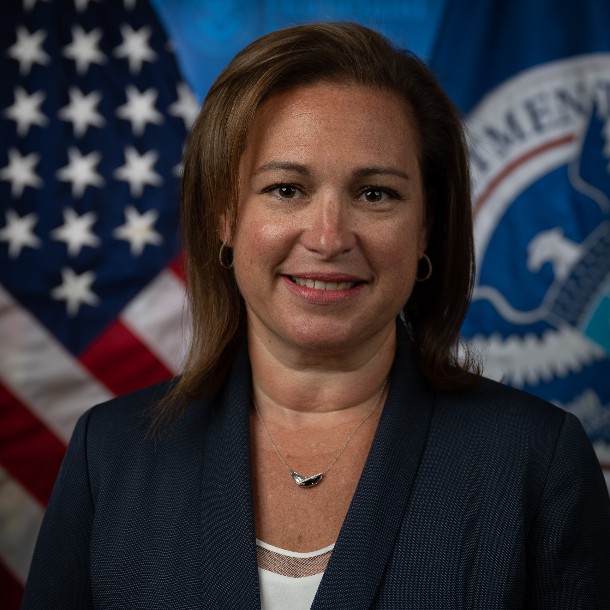
Rubino helped shape a more strategic approach to acquiring critical technology and security capabilities across DHS. In her prior role as executive director of the Strategic Programs Division in the Office of the Chief Procurement Officer, she oversaw the Security and Protection portfolio and led the category management and industry engagement strategy. That work helped DHS become the only federal department to earn an A+ for meeting governmentwide category management goals, strengthening buying power and efficiency across components. Today, her acquisition expertise supports White House-led councils preparing for FIFA’s 2026 World Cup and America250 and guides DHS implementation of the One Big Beautiful Bill.
Cathleen Rush

Special operations forces can't wait months for autonomous systems. Rush built contracting infrastructure to make mission speed the default. Her $100 million contracting solution for two enterprise Other Transaction Authority agreements cut award timelines from months to days, awarding $32.1 million in fiscal year 2025 alone. Through those vehicles, she put more than 1,600 drones and 29,700 autonomous support items into the hands of USASOC operators. She launched SOCOM's first hybrid cloud development platform, saving more than $175,000 daily in potential cloud costs. Her work on tactical drone swarms, robotics and edge DevSecOps unlocked $400 million in previously unavailable SOCOM funding.
Nael Samha
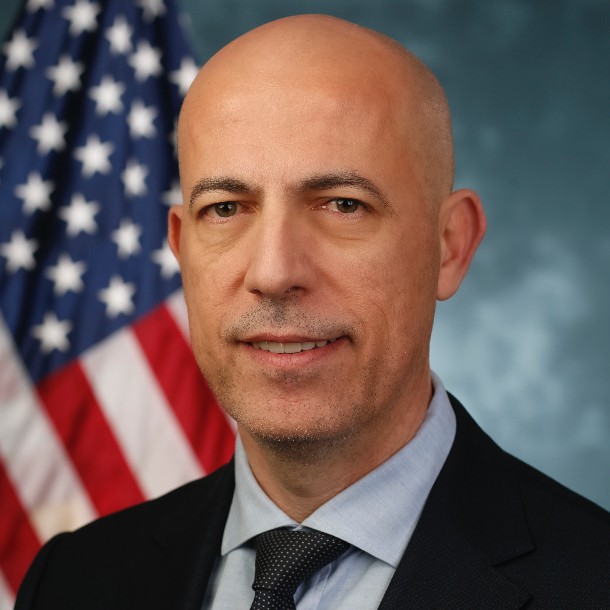
Modernizing mission-critical border targeting systems without disrupting operations is a rare achievement. Samha led the migration of more than 200 CBP applications and 11 petabytes of enforcement data to a cloud-native, AI-enabled architecture while maintaining full operational continuity. The upgraded environment strengthened both border enforcement and trade oversight. CBP systems supported interdiction of more than 213,000 outbound firearms, enabled over 700,000 enforcement actions and helped officers identify and apprehend more than 4,000 individuals on the terrorist watchlist. Samha’s analytics also powered tariff enforcement across 40 executive orders, helping secure over $200 billion in revenue and exposing complex duty evasion schemes.
Drew Schnabel
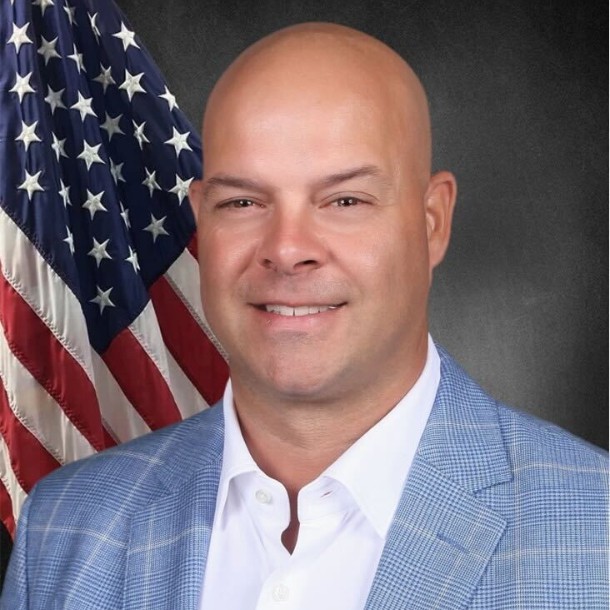
Schnabel works to secure federal IT across civilian agencies, the Department of Defense and intelligence customers. In 2025, he guided Zscaler through a necessary DOD certification. Zscaler protects critical systems across 14 of 15 Cabinet agencies, reaching 1 million federal users and 6 million in the broader public sector. He added generative AI, workflow automation and advanced data security to GovCloud, giving agencies tools to improve decision making, accelerate operations and adapt to threats. Trusted by nearly all Cabinet-level agencies, Schnabel’s leadership strengthens cybersecurity, drives federal IT modernization and ensures mission-critical systems remain secure and resilient.
Maj. Gen. Christopher D. Schneider
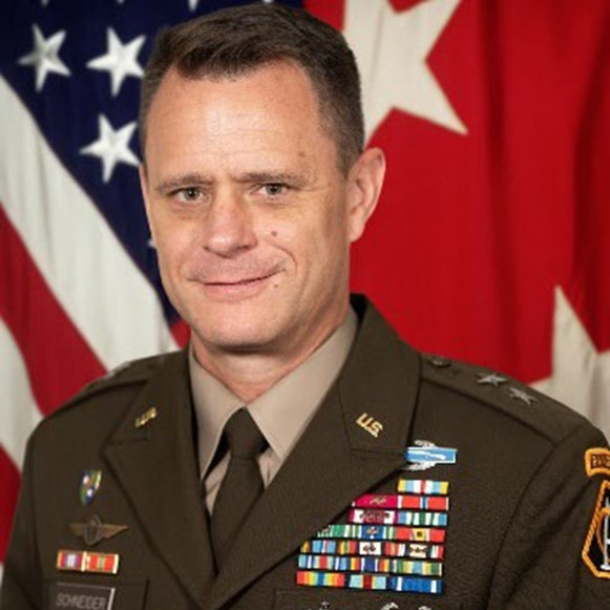
The Army's ability to field emerging technology has long struggled to approach battlefield speed. Schneider spent 2025 working to close that gap — not through pilots or exceptions, but by building durable mechanisms for execution. He operationalized the Army's Pathway for Innovation and Technology, establishing structures like G-TEAD and the Joint Innovation Outpost that connect warfighter requirements directly to rapid prototyping and transition. By removing structural barriers and aligning stakeholders across commands, he created repeatable acquisition pathways that normalized speed as a core competency. The result: measurable acceleration in capability delivery and a cultural shift that outlasts any single program.
Alla Seiffert

Federal cloud policy often advances through fragmented conversations between agencies and competing vendors. Seiffert is changing that dynamic by building coalitions that bring fierce industry competitors together to pursue shared policy outcomes on cloud security, procurement reform and AI governance. She supported the transition of the Cloud Service Providers–Advisory Board into a nonprofit association focused on authorization standards and the reuse of commercial capabilities. She also expanded the Alliance for Digital Innovation’s membership, strengthening its push to raise acquisition thresholds and remove barriers to commercial cloud adoption. Her work is helping the government access the infrastructure and technology it needs to deliver in a rapidly changing world.
Brig. Gen. Michael L. Smith

Securing coalition operations across 38 nations covering more than half the world's population demands highly dynamic infrastructure. Specifically, it must simultaneously be open enough to share intelligence and hardened enough to resist attack. In 2025, Smith delivered both. He achieved INDOPACOM’s first-ever 100% zero-trust implementation for the Mission Partner Environment, enabling seamless and secure collaboration across 23 coalition nations. He consolidated 57 legacy networks under a unified, data-centric architecture and targeted closure of 30 major IT gaps that stymied modernization. Groundbreaking partnerships with regional telecom and energy sectors vastly expanded information sharing, infrastructure monitoring and resilience across the INDOPACOM theater.
Param Soni
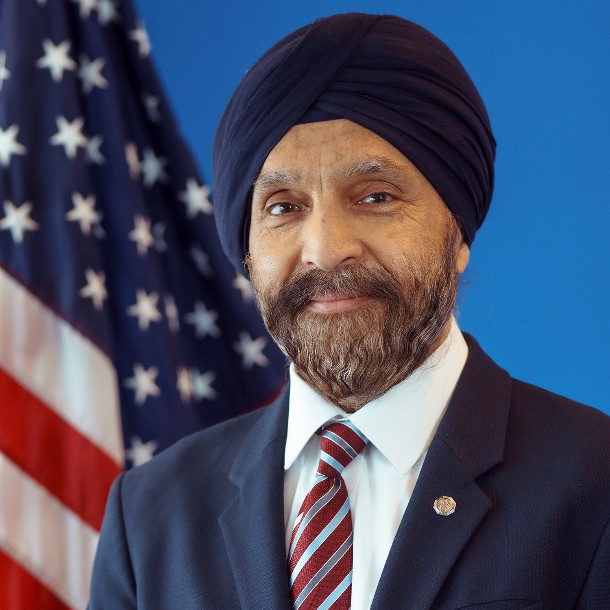
Policymakers and markets rely on BEA statistics to understand the health of the U.S. economy, yet the systems behind those numbers were aging and increasingly difficult to sustain. Soni launched a bureauwide modernization to rebuild core statistical applications in a unified Python and .NET environment while introducing carefully governed AI tools. He established an AI governance board, created a secure innovation lab and piloted AI-assisted code conversion and data processing to help hundreds of economists adopt modern data science practices. The effort accelerates production of key indicators, reduces technical risk and strengthens the reliability of the nation’s economic accounts.
Craig Stacey

In just 10 months on the job, Stacey has stood out as Argonne’s strategic initiatives technical director. Balancing evolving technical strategies and immediate operations with the lab’s long-term research goals, Stacey's leadership in an Energy Department, NVIDIA and Oracle supercomputing partnership brought forth a new chapter in federal technology. Argonne is now the national hub for next-generation supercomputing, thanks to his work expanding the GPU count and computing capacity for the lab’s Equinox and Solstice systems. His ability to bring together industry, government and academia has ensured that Argonne can provide critical, high-performance AI capacity for national leadership and security.
Geoff C. Stevens

Software-centric warfare only works if its underpinning platform never fails. Stevens spent 2025 ensuring Kessel Run's All-Domain Common Platform could meet that standard. He consolidated fragmented infrastructure into a single, standardized platform-as-a-service environment — projected to save the Air Force more than $14 million annually — while delivering enterprisewide observability tools that provide all teams with real-time visibility into system health. Together, these changes completed a multiyear shift from ad hoc support to a fully resourced, always-on mission capability. Security fixes and new capabilities now reach warfighters in hours instead of months. Stevens personally handled more than 1,000 software incidents over five years to earn such achievements.
Nick Totten
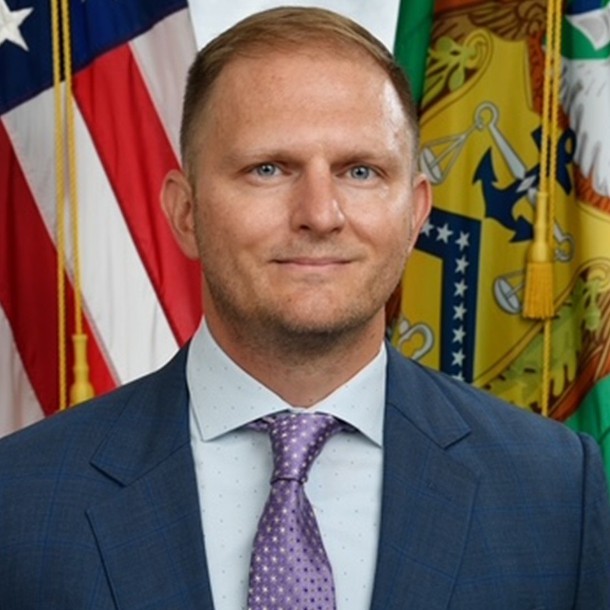
Totten consolidated five fragmented IT organizations into the Treasury Common Services Center, realigning 593 employees while maintaining uninterrupted payroll and enterprise services. As deputy CIO, he executed a $1.3 billion budget and enabled $337 million in urgent administration priorities during a period marked by leadership turnover, workforce reductions and new mandates. Totten paired structural reform with operational gains, eliminating a 47,000-record HR backlog in 48 hours and automating 21,000 annual benefits letters, saving $300,000 and thousands of hours. He also strengthened cybersecurity oversight, cutting FISMA reporting workloads 25% and guiding Treasury through a third consecutive audit cycle with zero findings.
Zach Whitman
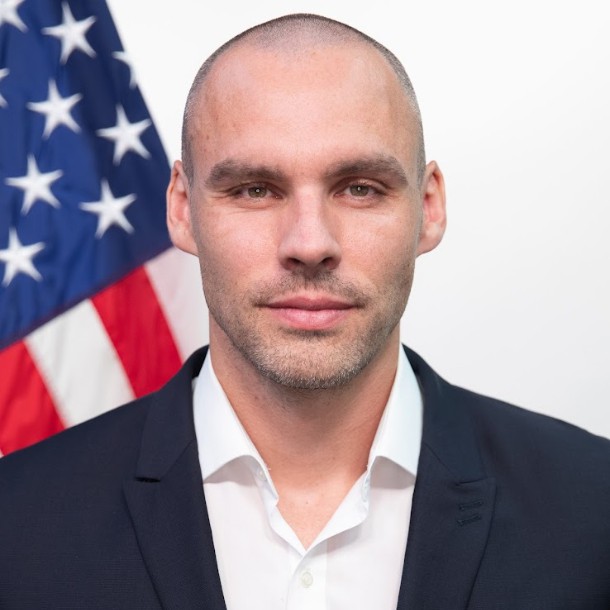
In 2025, Whitman drove the creation of USAi, a shared artificial intelligence service at GSA that was formalized as a governmentwide product to give agencies a secure way to experiment with AI. The tool helps agencies test solutions before committing taxpayer dollars, without duplicative procurement. Whitman set the vision and made the case for USAi, and at least 20 agencies have onboarded so far, with more in the process of doing so. As GSA’s data and AI leader, Whitman also advanced the agency’s enterprise data solution, creating a repeatable model for embedding generative AI into core business workflows.
Lynn M. Williams

Defense acquisition is fraught with a long history of failing to arm service members at mission speed. Williams left a senior position at Boeing in 2025 to become the primary author of the Streamlining Procurement for Effective Execution and Delivery Act, which restructured and modernized the Pentagon's acquisition system and became the base text for the House’s fiscal 2026 National Defense Authorization Act. Through drafting and conferencing, she defended commonsense reforms while blocking counterproductive changes. Her decades of experience across the executive branch, Congress and industry strengthened those reforms with the credibility to survive and reach service members who depend on faster acquisition.
Deborah Youmans

Federal agencies racing to evaluate artificial intelligence often face a barrier: no secure place to test powerful models with real mission data. Youmans removed that barrier. In 2025, the MITRE CIO launched the Federal AI Sandbox, a secure, vendor-neutral environment where agencies can experiment with advanced AI before committing major investments. Built on an NVIDIA DGX SuperPOD in a CUI-certified data center, the platform lets agencies benchmark models, prototype applications and analyze sensitive workloads. Programs from weather prediction to fraud detection are already using it. By replacing speculation with hands-on testing, Youmans is helping the federal government adopt AI faster and with less risk.
Michelle Zebrowski

Zebrowski still thinks like the programmer she once was: fix the structure, and the mission moves faster. At CBP, that mindset drove the creation of the agency’s first enterprise data catalog, onboarding more than 900 datasets across 20 offices and completing the agency’s first full data inventory. Analysts who once spent days searching for tables now locate trusted data in minutes. Zebrowski also launched ChatCBP, a generative AI assistant deployed to 75,000 users that helps officers summarize policy updates, draft reports and prepare operational briefings, putting faster, clearer information in the hands of officers making decisions.
Adam M. Zeimet

Privileged accounts are prime targets for attackers, and at USDA they sprawl across cloud and on-premises systems built by many mission areas. Zeimet made control repeatable by designing and delivering an enterprise Privileged Access Management shared service for more than 100,000 employees and contractors, using Infrastructure-as-Code and automated pipelines so hardened settings ship with every environment. NIST, FISMA High and CISA SCuBA requirements are enforced as code, with drift detected and remediated within a business day. That automation cut configuration drift over 90%, trimmed audit prep about 70% and let teams stand up secure environments in days, not weeks.
Dawn Zimmer

Zimmer ensures the technology underpinning critical energy security and nuclear safety programs is modern, secure and ready for what’s next. In 2025, that meant tackling several major modernization efforts, including a long-needed upgrade to the department’s workforce system through DOE’s first Workday deployment for a Title V agency. She expanded the Quanta enterprise data platform to give researchers and analysts a stronger foundation for advanced analytics and AI. Zimmer also introduced Joulix, a generative AI tool now used by 13,000 employees, and created the Genesis Collaboration Space to support scientific discovery and energy innovation.