Artificial Intelligence


NIH seeks to engage patients as it scales use of AI with Bio Genesis Mission
The agency is in the early stages of determining how exactly it will collaborate with other agencies on the Bio Genesis Mission it announced in July.


Hawley launches committee investigation into OpenAI’s breach of Hugging Face
Following reports of two autonomous attacks conducted by OpenAI’s agents, Sen. Josh Hawley sent a letter to OpenAI CEO Sam Altman for answers.


AI safety advocacy group launches new state-level effort
Americans for Responsible Innovation debuted the advocacy arm to bring responsible AI policy assistance to local lawmakers.
Democrats mull creating a select AI committee if they win the House
Reps. Bill Foster, D-Ill., and Ted Lieu, D-Calif., are advocating for the new select committee as a way to solely focus on artificial intelligence legislative issues.


Intelligence agencies warn of China’s large-scale AI model distillation efforts
Three agencies issued a joint statement warning that Chinese companies DeepSeek, Moonshot AI, Alibaba, MiniMax, StepFun and Z.AI have used the tactics to extract billions of tokens from U.S. models.



NSA looks to AI to help analysts sift through vast data troves
The tools can speed up work that takes days or weeks, the agency’s cybersecurity chief said.


Microsoft brings AI vulnerability-hunting tool to government cloud
Select agencies and partners can preview MDASH, which uses teams of AI agents to find software flaws and test whether attackers could exploit them.


July’s breakout at OpenAI was far more complex than initially realized
Hundreds of AI agents collaborated to escape their containers, disguising their actions and even sacrificing themselves.
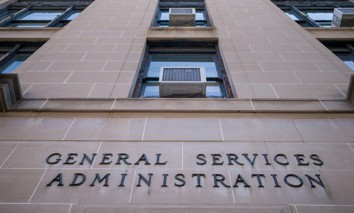
Agencies now have to pay to use USAi
A GSA official familiar with the matter said the fee “is based on an agency's expected workload, approximated by agency size.”
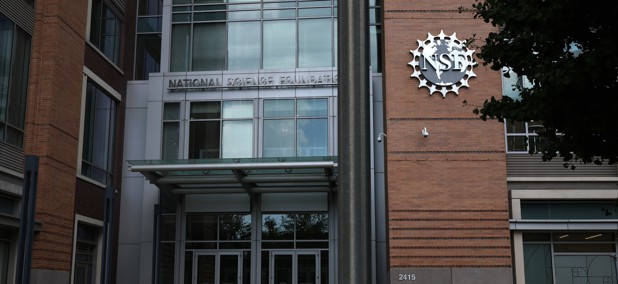
NSF launches a new AI research operations center
The new center will help support the National Artificial Intelligence Research Resource’s transition from a pilot into a permanent part of the agency.


Dozens of current, former officials see at least a 10% chance humans lose control of AI
Nearly half of respondents in the survey released Wednesday serve or have served in the Defense Department, an agency locked in fierce discourse over military use of AI systems.

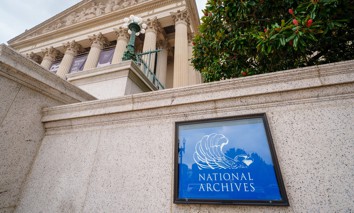
National Archives says agencies’ AI use does not automatically create federal records
New guidance from the National Archives and Records Administration outlines when agencies should preserve AI-related materials as federal records and notes there is no “one size fits all” approach to doing so.


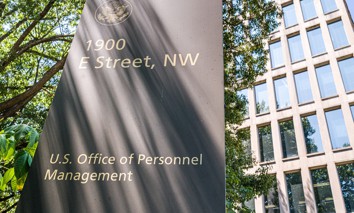
OPM memo pushes agencies to speed up hiring with AI
The federal human resources department is exploring new AI tools for USA JOBS, USA Staffing and other USA hiring tools as agencies use AI in their hiring processes, according to the memo.


Judge rules Anthropic supply chain risk designation was ‘illegal and baseless’
A Northern California judge found that the AI company’s products did not represent a meaningful threat to national security, making the Pentagon’s designation “unlawful retaliation.”


Commerce official warns of obsolescence without AI adoption
Job replacement due to AI is less of a threat than falling behind due to lack of adoption, Senior Advisor for Technology and Strategy Matheus Passos said.
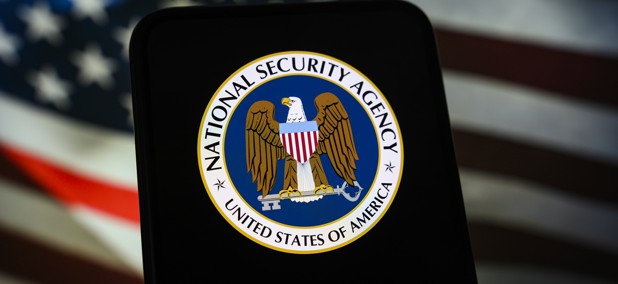

NSA wants access to ‘all’ AI models, top official says
The spy agency is taking a key role in the government’s new voluntary model-testing program, though its deputy director did not say which companies are participating.


Contractor may have used AI to falsify payment dispute financial documents, appeals board finds
A legal expert told Nextgov/FCW the possibility underscores how the federal government is “fully unprepared for how bad” AI-driven procurement fraud is going to get.

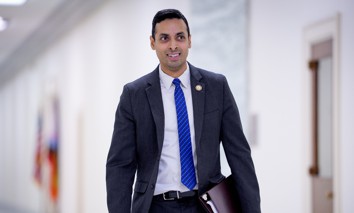
Dem lawmaker hopes to add AI containment language to FRONTIER Act
Rep. Suhas Subramanyam, D-Va., is pushing for a September markup of the landmark AI legislation along with new language on model containment following the OpenAI-Hugging Face incident.
FDA considers doctor-like ‘competency-based’ tests for medical generative AI
The Trump administration released ideas for regulating large language models used in health care as companies roll out chatbots to help patients manage mental health, diabetes and other medical conditions.


AI is already on the job, and Census is keeping count
New U.S. Census Bureau data shows that AI is quickly becoming a routine workplace tool, while government leaders are finding that training, guardrails and employee-led experimentation can help turn everyday use into meaningful adoption.
