Author Archive


Artificial Intelligence
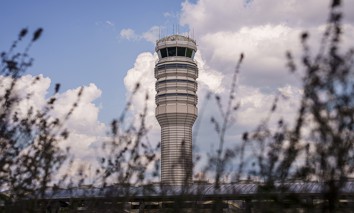
House Democrats seek watchdog review of AI-powered air traffic control systems
The inclusion of AI capabilities has “rightfully raised serious questions about its reliability and safety benefits,” House Transportation and Infrastructure Committee Democrats wrote in a letter to GAO.
Modernization
Top Dems press VA for answers on $17B EHR modernization contract boost
The ranking members of the House and Senate Veterans’ Affairs committees said VA’s “citation of ‘unanticipated complexities’ as the rationale for nearly tripling the original contract remains unexplained.”


Policy
Tech bills of the week: Transparency in agency AI use; Creating a CISA AI task force; and more
Although Congress is in recess, lawmakers in the House and Senate still rolled out proposals over the past week looking to promote clarity around the use of — and potential harms posed by — AI tools.
Artificial Intelligence
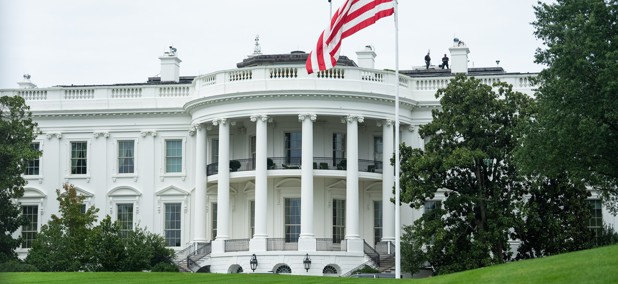
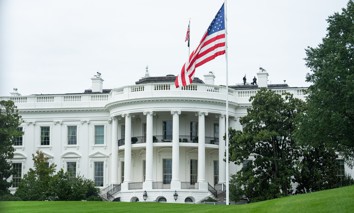
White House unveils billions in investments for Genesis Mission
Eleven leading tech firms pledged to provide $2.4 billion in compute credits to help drive scientific research and technological innovation through the use of artificial intelligence and other emerging capabilities.
Emerging Tech
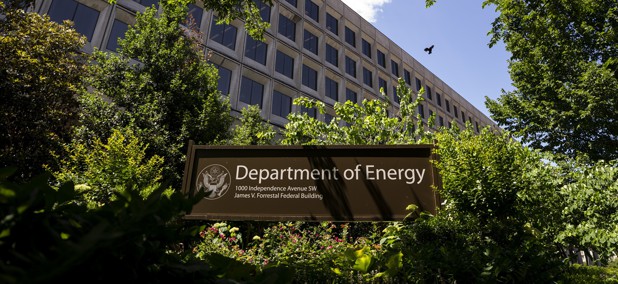
Energy debuts new Genesis Mission, quantum computing initiatives
The department announced $159 million in new phase II Genesis Mission project awards, $96 million for early-career researchers and a new graduate fellowship program, along with an effort to advance the development of fault-tolerant quantum computers.
Digital Government
VA rolls out CLEAR login option and in-person identity verification pilot
The new offering will allow participating veterans to use facial recognition to access their VA.gov accounts.
Artificial Intelligence
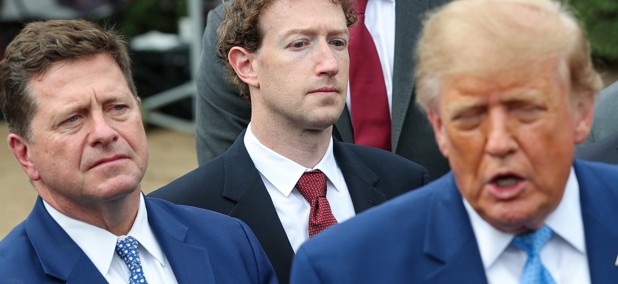
Experts hope new AI czar’s leadership can move the needle on regulation
“Maybe [the AI czar] can work with Congress to help come up with some governance, some laws” covering AI, one former Trump official told Nextgov/FCW.


Artificial Intelligence
Tech bills of the week: AI research competitions; Prohibiting federal use of biometric tech; and more
Lawmakers introduced a slew of measures this week that looked to rein in AI risks and provide new oversight and guardrails around the construction of new data centers.


Artificial Intelligence
Transportation works to ease fears about new AI air traffic control tool
Rep. Don Beyer, D-Va., who has expressed skepticism about Transportation’s rollout of an AI-powered tool at D.C.-area airports, said he had “a good conversation” with FAA Administrator Bryan Bedford about the new capability that helped to alleviate some of his worries.
Artificial Intelligence
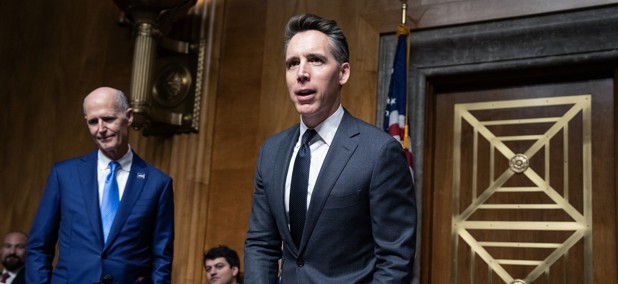
AI firms should be held liable for their models’ actions, lawmakers say
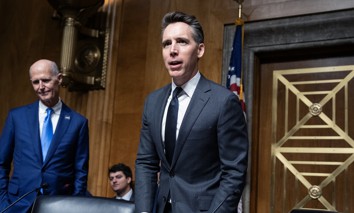
Sens. Josh Hawley, R-Mo., and Chris Murphy, D-Conn., have introduced legislation that would hold AI agent operators and developers criminally and civilly liable for hacking incidents.
Modernization
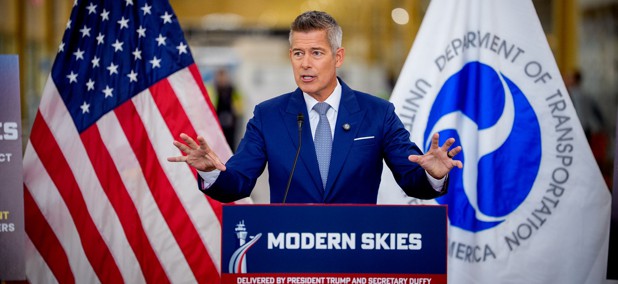
$30B more is needed for air traffic control modernization, Transportation secretary says
FAA Administrator Bryan Bedford also said during a news conference on Monday that the U.S. “could save over 20 years, conservatively, $300 billion” with an overhauled air traffic control system.


Artificial Intelligence
SBA’s AI fraud detection pilot didn’t include needed safeguards, OIG says
The federal agency that supports the growth of U.S. small businesses has been using Palantir software to identify fraud in disbursed pandemic assistance loans.
Emerging Tech
Commercialization of fusion energy will ‘change everything,’ lawmaker says
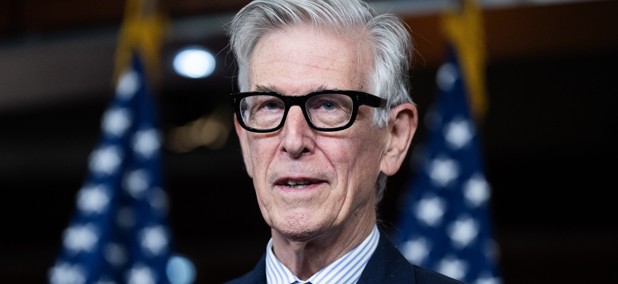
Rep. Don Beyer, D-Va., told Nextgov/FCW that the U.S. is only “two to 10 years away from fusion energy at scale” because “you can model the plasma using AI, which you couldn’t do before.”


Policy
Tech bills of the week: Creating an AI-focused agency; Reviewing AI-assisted cyber attacks; and more
Lawmakers introduced a deluge of AI-focused measures this week in response to growing concerns about the capabilities of advanced models and to President Donald Trump’s pushback against new measures.

Artificial Intelligence
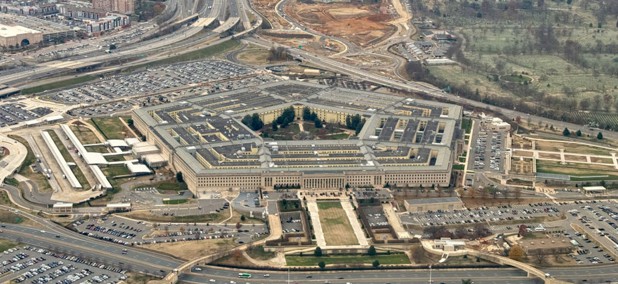
GenAI.mil saw more than 2 million users in one week, top DOD official says
Defense Department Chief Digital and Artificial Intelligence Officer Cameron Stanley also said that “unilateral disarmament is the wrong approach” when it comes to calls for a slowdown in AI development.

Emerging Tech
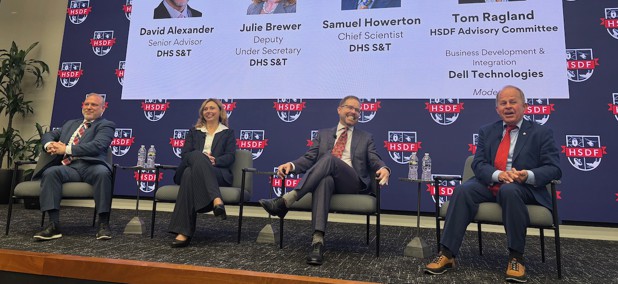
DHS exploring new biosurveillance capabilities as biological threats evolve, officials say
DHS Science and Technology Directorate officials said emerging technologies are forcing the agency to rethink how it detects biological agents.
Artificial Intelligence
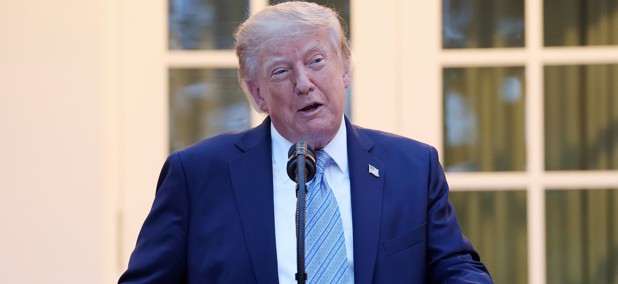
Trump floats creating an ‘AI Force’
President Donald Trump said the AI Force would be analogous with the Space Force, a military service branch created during his first term to protect U.S. space interests.

Artificial Intelligence
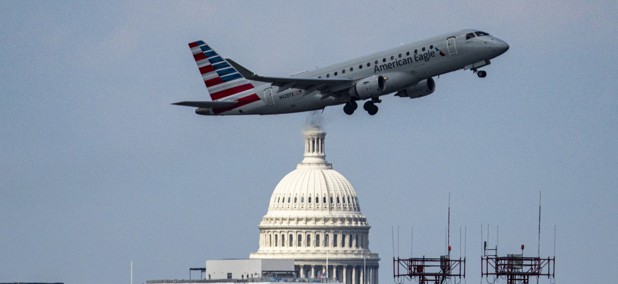
DC-area airports first to deploy AI tool for airspace management
The SMART tool uses AI to crunch 200 different streams of flight data “to predict traffic flows and identify potential conflicts before they occur,” according to the Federal Aviation Administration.


Artificial Intelligence
Tech bills of the week: Monitoring AI’s use under Section 702; Preventing abuse of Flock plate readers; and more
Lawmakers introduced several measures this week looking to rein in some of the potential abuses and dangers of using AI, as well as a proposal that looks to leverage AI for pediatric cancer research and treatment.
Emerging Tech
Energy launches quantum computer development competition
The initiative will offer up to $215 million in total planned funding to domestic firms that are able to reach certain milestones in the development of the world’s first fault-tolerant, scientifically relevant quantum computer.