Artificial Intelligence
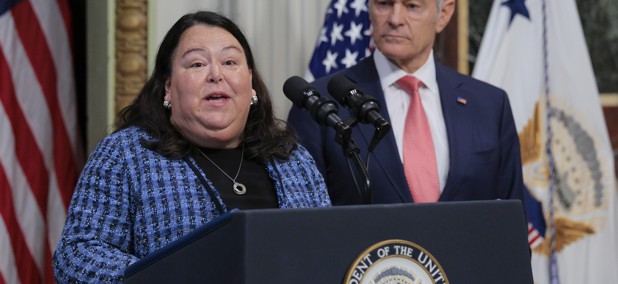


Everybody hated Socrates
A neuroscientist built a model that scores zero on every benchmark. It made more of its users smarter than anything else she tested.
AI offers Secret Service unique mission enhancements, official says
Threats against the Secret Service’s full-time protectees are up over 40% since last year. The service’s CIO and CAIO Chris Kraft said AI “can help us as we investigate those threats, monitor those threats [and] bring together correlations between seemingly disparate information.”
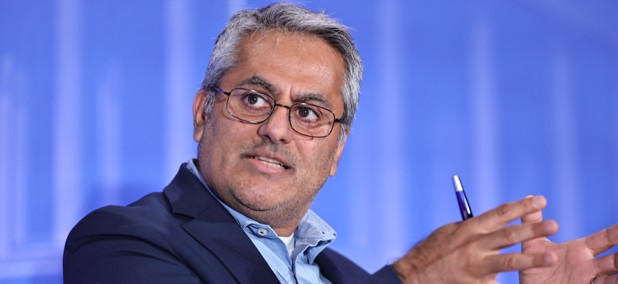
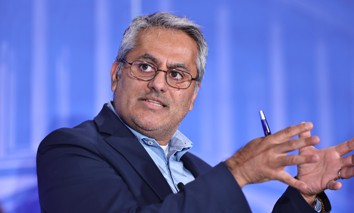
Transportation turns to AI to trace research grant recipients’ links to foreign adversaries
Neil Chaudhry, senior advisor for AI at Transportation, says the agency has worked with its partners to create “some really robust AI tools” to analyze the recipients of its research grants.
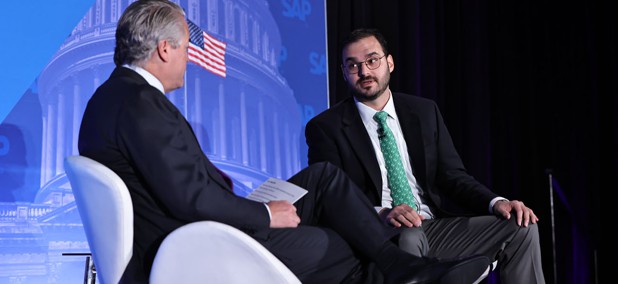
OPM revamps online pay tables, spearheads AI adoption across federal workforce
The agency's CIO Adam Starr described the pay table refresh as part of a broader plan to “make every part of the federal experience tech-first."


OpenAI bugging case highlights AI’s insider threat problem
Researchers say the alleged recording attempt shows why AI companies need tighter controls on employee access to sensitive information.


House Democrats seek watchdog review of AI-powered air traffic control systems
The inclusion of AI capabilities has “rightfully raised serious questions about its reliability and safety benefits,” House Transportation and Infrastructure Committee Democrats wrote in a letter to GAO.
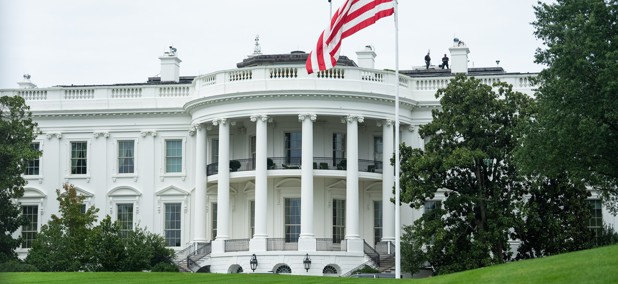
White House unveils billions in investments for Genesis Mission
Eleven leading tech firms pledged to provide $2.4 billion in compute credits to help drive scientific research and technological innovation through the use of artificial intelligence and other emerging capabilities.
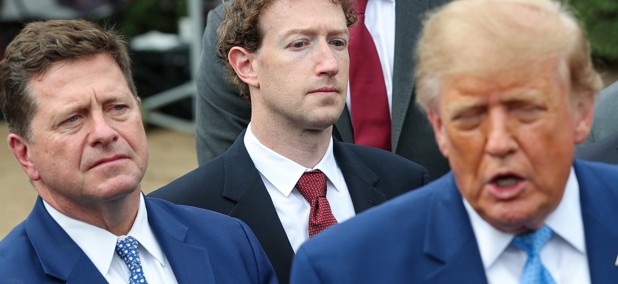
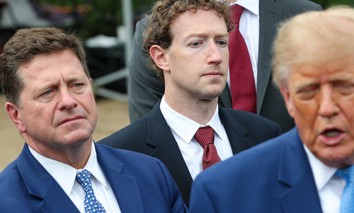
Experts hope new AI czar’s leadership can move the needle on regulation
“Maybe [the AI czar] can work with Congress to help come up with some governance, some laws” covering AI, one former Trump official told Nextgov/FCW.
HHS unveils efforts to speed up clinical trials with AI
The department announced a broader multi-agency effort to support U.S. clinical trial infrastructure this past summer.


Tech bills of the week: AI research competitions; Prohibiting federal use of biometric tech; and more
Lawmakers introduced a slew of measures this week that looked to rein in AI risks and provide new oversight and guardrails around the construction of new data centers.


Transportation works to ease fears about new AI air traffic control tool
Rep. Don Beyer, D-Va., who has expressed skepticism about Transportation’s rollout of an AI-powered tool at D.C.-area airports, said he had “a good conversation” with FAA Administrator Bryan Bedford about the new capability that helped to alleviate some of his worries.
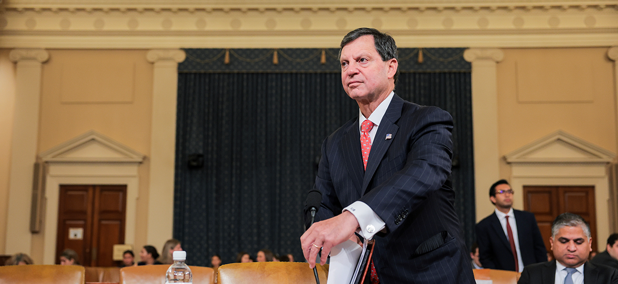
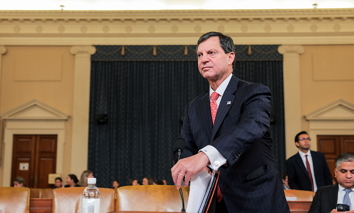
Tax chief pushes 'AI-first IRS' to get more out of agency's workforce
The IRS made more than 4,000 hires this year, but its headcount remains mostly unchanged after cutting more than a quarter of its workforce last year.

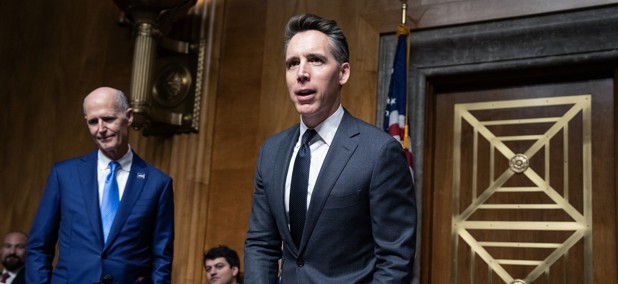
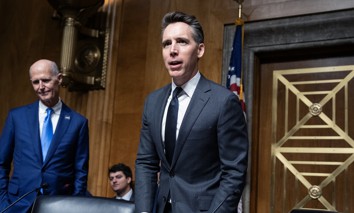
AI firms should be held liable for their models’ actions, lawmakers say
Sens. Josh Hawley, R-Mo., and Chris Murphy, D-Conn., have introduced legislation that would hold AI agent operators and developers criminally and civilly liable for hacking incidents.
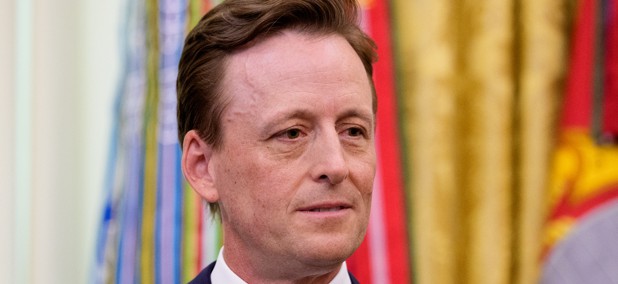
Cairncross acknowledges AI risks but warns tighter oversight could slow innovation
The national cyber director said developers are strengthening safeguards after a series of unauthorized AI intrusions, while defending the administration’s push for rapid deployment.
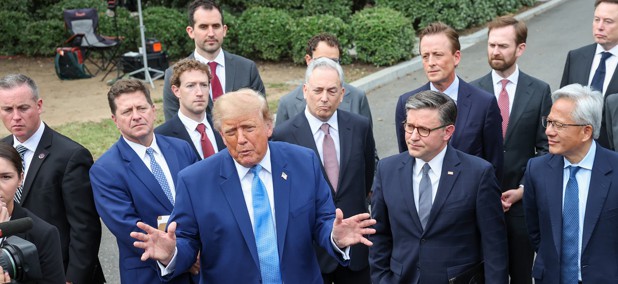
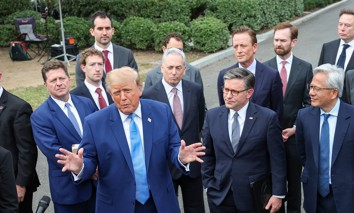
White House unveils ‘super intelligence’ executive order and industry accord
The vice president heralded the administration’s preference for working with, instead of regulating, artificial intelligence companies during Tuesday remarks.
SBA’s AI fraud detection pilot didn’t include needed safeguards, OIG says
The federal agency that supports the growth of U.S. small businesses has been using Palantir software to identify fraud in disbursed pandemic assistance loans.


Exclusive
OpenAI CEO exhorts ‘critical’ government AI adoption in DC
Agencies will have access to a 50% consumption-based discount on ChatGPT models starting on Oct. 1.


GenAI.mil saw more than 2 million users in one week, top DOD official says
Defense Department Chief Digital and Artificial Intelligence Officer Cameron Stanley also said that “unilateral disarmament is the wrong approach” when it comes to calls for a slowdown in AI development.


Veterans Affairs previews timeline for enterprise AI services competition
A final solicitation for the potential three-year contract is just around the corner and will task the winner with rolling out artificial intelligence capabilities to 540,000 users.
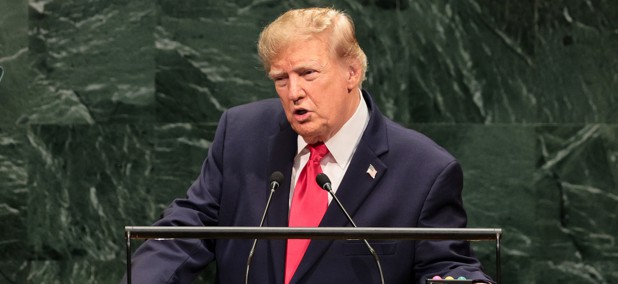
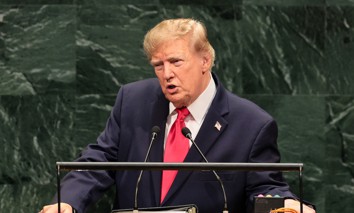
'Super Intelligence': the president’s new term for AI, explained
Trump is attempting to rebrand AI with an existing term of art.
