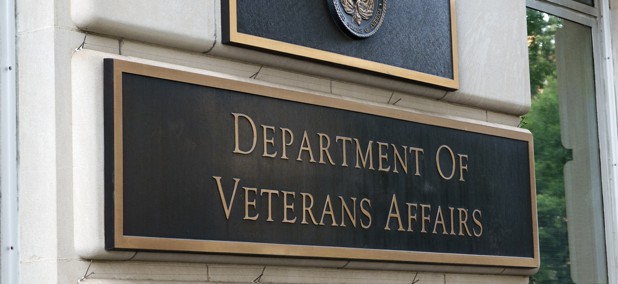
The department has created an internal working group to look at “developing a singular database where we can capture veteran enrollment data in real time,” according to Liza Catucci, VA’s acting director of health systems research.
The bureau also undercounts analysts’ non-compliance with assessment policies because it relies on self-reporting and infrequent audits, the sensitive GAO review adds.
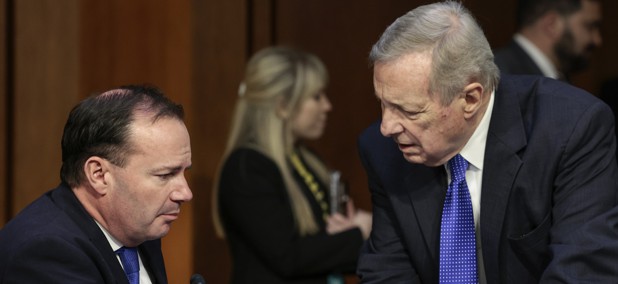
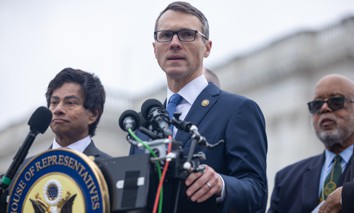
The proposed changes to Section 702 of FISA would mandate warrants for searches of U.S. person communications and revisit a 2024 provision that critics say widened the government’s surveillance reach.
With the Federal Procurement Data System set for decommissioning this month, market research guru Lisa Shea Mundt makes the case that we’ll miss FPDS and not just because we’ll feel nostalgic.
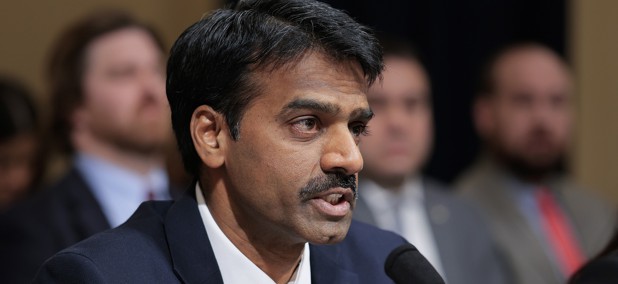
The cyberdefense agency in turn received some 30 employees from other DHS components, while a “handful” of CISA staffers were transferred to ICE, Madhu Gottumukkala told lawmakers.
The annual reintroduction of the Federal Adjustment of Income Rates Act aims to set a baseline for negotiations around federal employee compensation for the coming year.
The inclusion of Elon Musk’s chatbot in the government website follows backlash over the chatbot creating millions of sexualized images of women and children.
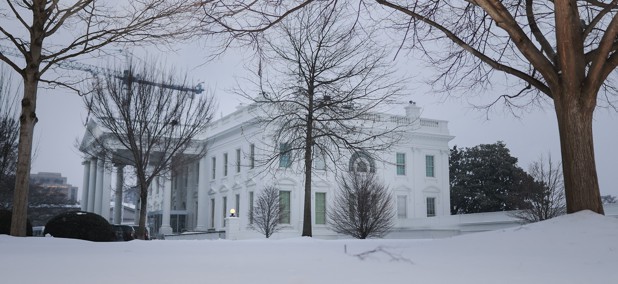
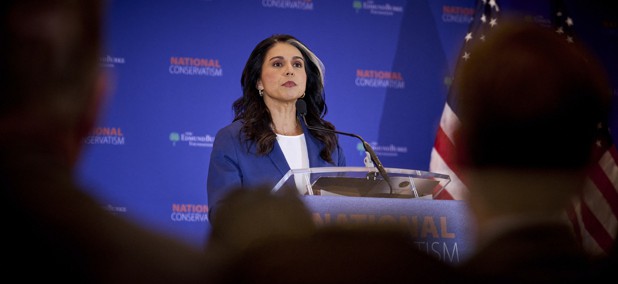
Since the start of the year, the White House chief of staff and DHS secretary have met multiple times to discuss election security, and DNI Tulsi Gabbard has been present in at least one of those meetings, according to a U.S. official.
DARPA alum Efstathia Fragogiannis joined the agency as its new procurement chief in November and will be spearheading the effort, according to a CIA official.
Seventy-two of the AI use cases previously included in the department’s 2024 inventory were listed as retired, meaning that their “development and/or use has since been discontinued.”
Foreign adversaries are using fake jobs and consulting gigs to coax secrets from former U.S. officials. It’s had results, and the efforts don’t appear to be slowing.













.png)