Lawmakers introduced a slew of measures this week that looked to rein in AI risks and provide new oversight and guardrails around the construction of new data centers.
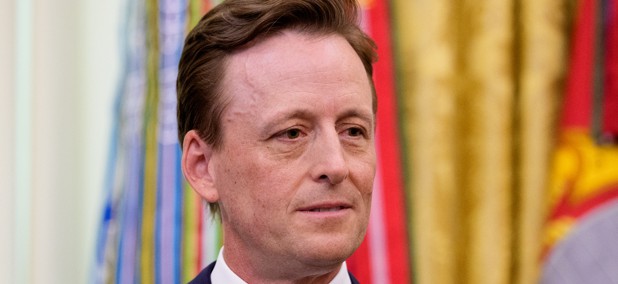
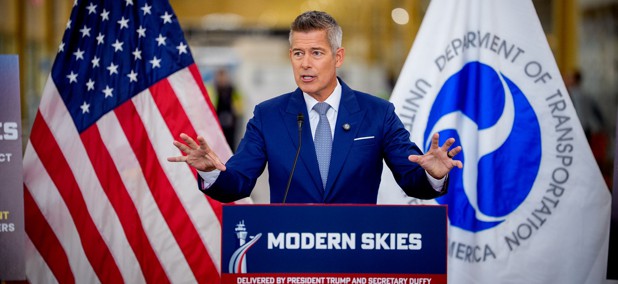
Rep. Don Beyer, D-Va., who has expressed skepticism about Transportation’s rollout of an AI-powered tool at D.C.-area airports, said he had “a good conversation” with FAA Administrator Bryan Bedford about the new capability that helped to alleviate some of his worries.
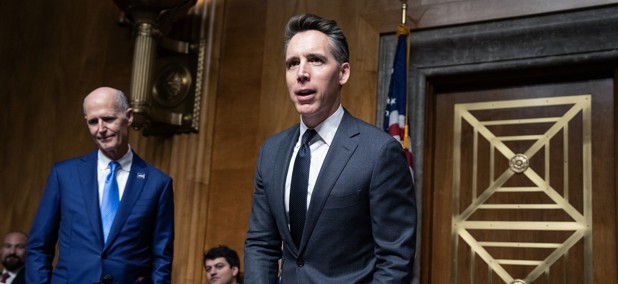
Sens. Josh Hawley, R-Mo., and Chris Murphy, D-Conn., have introduced legislation that would hold AI agent operators and developers criminally and civilly liable for hacking incidents.
The national cyber director said developers are strengthening safeguards after a series of unauthorized AI intrusions, while defending the administration’s push for rapid deployment.
Proofpoint identified phishing campaigns that borrowed prominent figures’ identities to approach U.S. policy researchers before attempting to steal access to their cloud accounts.
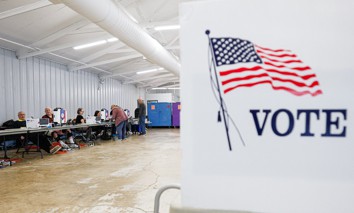
Arizona still plans to accept federal help on Election Day, while officials warn that staffing cuts have weakened relationships and left smaller jurisdictions with fewer resources.
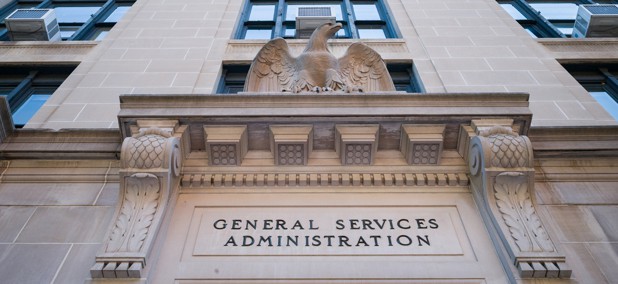
Unlock faster, smarter federal procurement: discover how GSA’s MAS streamlines acquisition, expands flexibility, and connects agencies with trusted contractors.
The vice president heralded the administration’s preference for working with, instead of regulating, artificial intelligence companies during Tuesday remarks.
FAA Administrator Bryan Bedford also said during a news conference on Monday that the U.S. “could save over 20 years, conservatively, $300 billion” with an overhauled air traffic control system.
The federal agency that supports the growth of U.S. small businesses has been using Palantir software to identify fraud in disbursed pandemic assistance loans.
A review of six agencies could not establish the full extent of DOGE’s system access or whether security rules were followed. Two agencies challenged the watchdog’s authority to investigate.
“You know how to find us, and we know how to find you,” said Brett Leatherman, assistant director of the FBI’s Cyber Division. “I suggest you reach out first while the choice is still yours.”
The directive comes as the administration has dismantled or reorganized offices that tracked foreign influence and reduced civilian election security support.