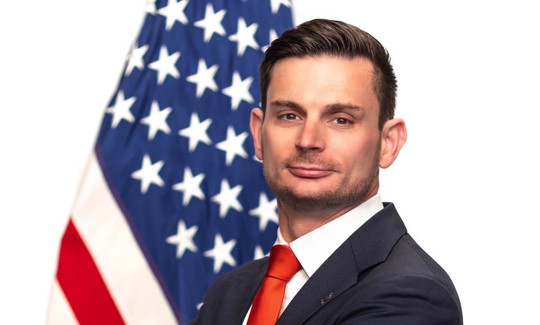
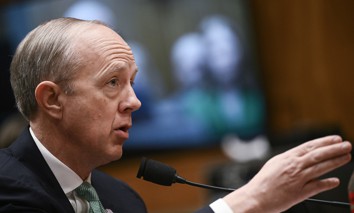
Agencies “don't need the fanciest AI model on the marketplace” to enhance their customer-facing operations, according to former VA Chief Experience Officer John Boerstler.
AI is accelerating cyberattacks. See how Vellox Reverser™ uses agentic AI to analyze malware in minutes and help organizations outpace evolving threats.
Utah Governor Spencer Cox acknowledged the logic to the Trump administration’s plan for U.S. AI dominance, but not at the expense of state laws ensuring safety.
“I think it’s important to say we do not know exactly what the [People’s Republic of China] intends to do with a lot of this information,” said FBI cyber official Michael Machtinger.
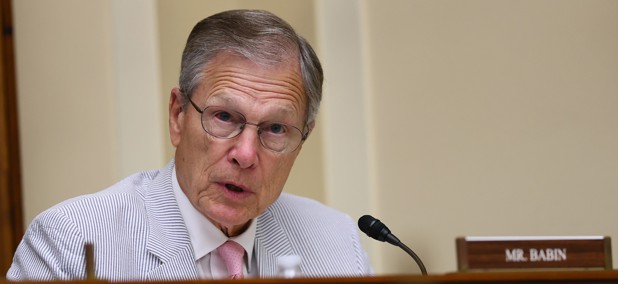
Leaders in the House Science, Space, and Technology Committee have asked the Government Accountability Office to examine the regulatory landscape at both the state and federal level.
Labor Secretary Lori Chavez-DeRemer said the new portal features “better integration with other federal data sources and enhanced artificial intelligence compatibility for finding, visualizing and using data.”
The Federal Aviation Administration is using a challenge-based acquisition strategy that will require vendors to demonstrate, not just describe, their approach.
Vincenzo Iozzo, Joichi Ito and Pablos Holman are barred from future attendance after Justice Department files revealed their roles in efforts to secure Jeffrey Epstein’s access to DEF CON.
Rep. Lori Trahan, D-Mass., wants to redo the government's main privacy law to ensure people’s information is “handled responsibly” when in government hands.
Many of this week’s proposals that deal with AI copyright material protections, tech for methane detection and environmental permitting modernization have bipartisan backing.